For many non-European workers, gaining legal residency in Europe can feel like a complex and distant goal. However, one lesser-known yet highly effective pathway exists through seasonal agriculture jobs for non-EU workers. These roles, often overlooked, provide not only employment opportunities but also a legal entry point into European labour markets. Across countries like Spain, Italy, and France, agricultural sectors face recurring labour shortages, particularly during peak harvesting seasons. As a result, governments and employers actively seek foreign workers to fill these gaps. While these roles may seem temporary, they can open doors to long-term residency if approached strategically.
This guide explores how hidden seasonal agriculture jobs can serve as a stepping stone towards legal residency in Europe.
Understanding Seasonal Agriculture Jobs in Europe
Seasonal agricultural work refers to temporary jobs linked to farming cycles such as planting, harvesting, and processing crops. These roles typically last from a few weeks to several months, depending on the crop and region.
Common roles include:
- Fruit and vegetable picking
- Packing and sorting produce
- Greenhouse maintenance
- Livestock care
These jobs are particularly abundant in rural areas where local labour supply is insufficient.
Why Seasonal Farm Work Can Lead to Residency
Legal Work Pathways
Many European countries offer seasonal work visa programmes that allow non-EU workers to legally enter and work for a defined period. These visas are often easier to obtain compared to permanent work permits.
In some cases, repeated seasonal employment can strengthen future residency applications, especially when combined with legal compliance and continuous employment history.
Labour Shortages in Agriculture
Agriculture is one of the most labour-intensive industries in Europe. Due to declining interest among local populations, employers increasingly rely on foreign workers.
This ongoing demand creates opportunities for non-EU workers to:
- Secure legal employment
- Build relationships with employers
- Transition into longer-term contracts
Hidden Opportunities Most Workers Overlook
Many job seekers focus only on popular roles, missing out on less competitive but equally valuable opportunities.
Fruit Picking & Harvest Jobs
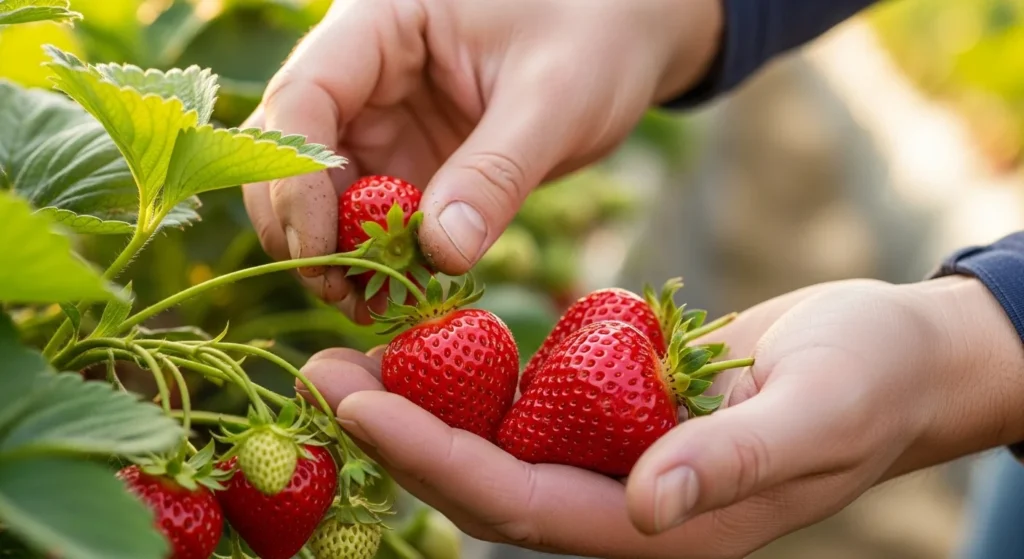
These are among the most accessible farm jobs in Europe for foreigners. Countries like Spain offer thousands of positions during harvest seasons for crops such as strawberries, oranges, and tomatoes.
Although physically demanding, these roles often provide accommodation and meals.
Greenhouse & Nursery Work
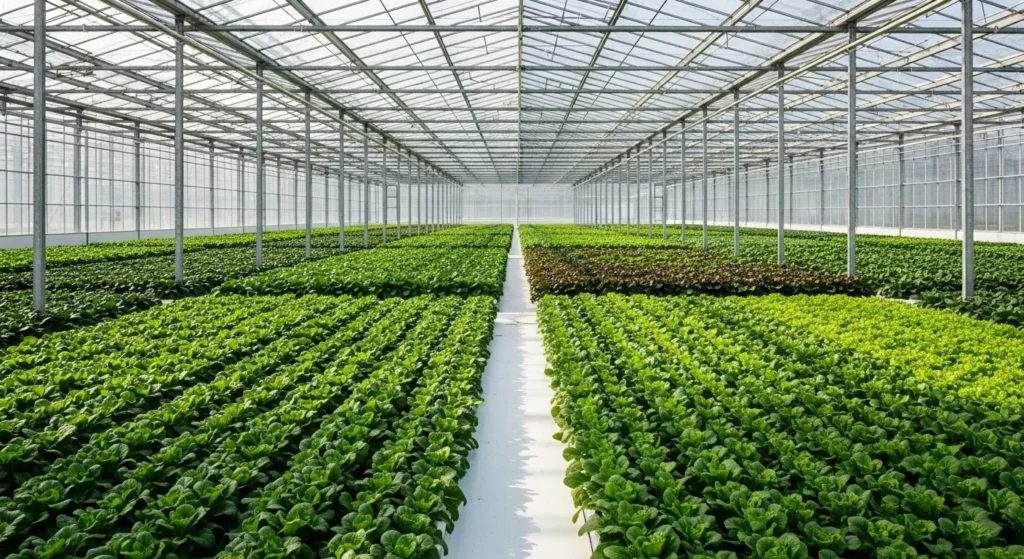
Greenhouse jobs involve planting, watering, and maintaining crops in controlled environments. These positions are less seasonal and may offer longer contracts.They are ideal for workers seeking stable employment within agriculture.
Vineyard & Olive Farm Jobs
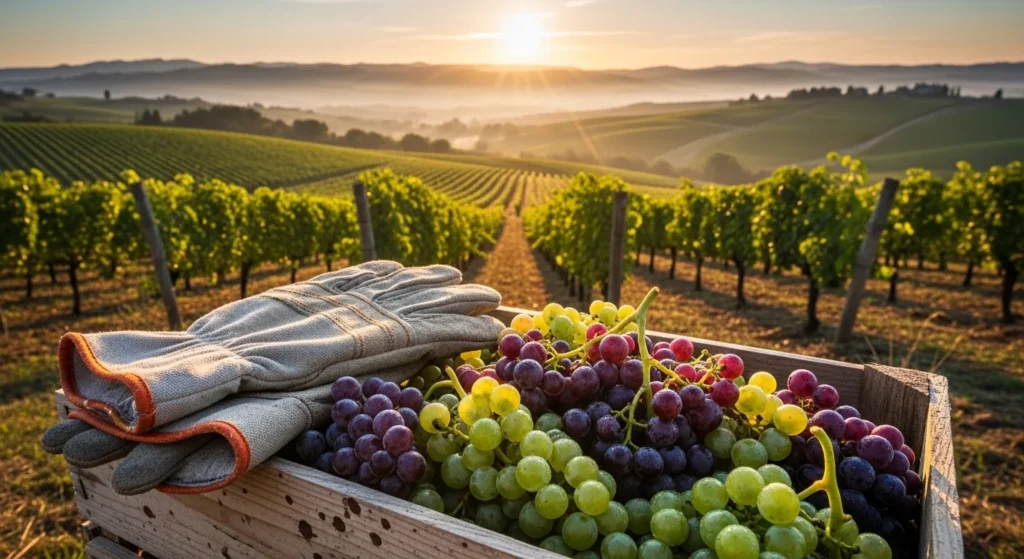
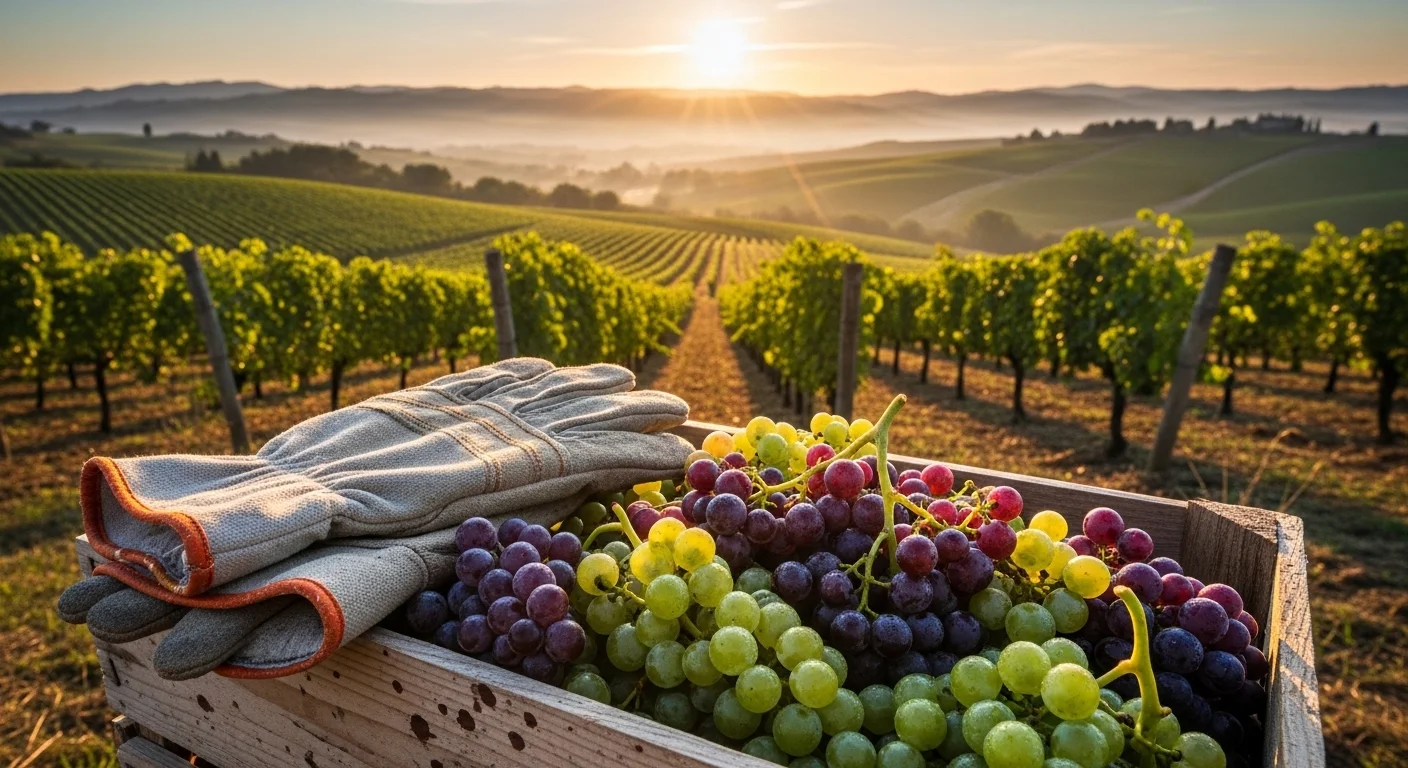
Southern Europe, particularly Spain and Italy, is known for vineyards and olive farms. Seasonal work in these sectors includes harvesting grapes and olives, often requiring minimal prior experience.
These roles can sometimes lead to repeat employment contracts, increasing the chances of residency.
Countries Offering Seasonal Work Opportunities
Several European countries actively recruit non-EU workers for agriculture:
- Spain: Strong demand for fruit pickers and greenhouse workers
- Italy: Opportunities in vineyards and olive harvesting
- France: Seasonal work in vineyards and fruit farms
- Germany: Farm labour for vegetables and berries
Each country has its own visa requirements and employment regulations, so proper research is essential.
How to Apply for Seasonal Agriculture Jobs
Applying for seasonal agricultural work requires a structured approach:
- Search for verified job listings through official government portals
- Apply directly to employers or authorised agencies
- Secure a job offer before applying for a visa
- Submit required documents (passport, contract, proof of accommodation)
Avoid unofficial agents who promise guaranteed jobs, as scams are common.
Requirements for Non-EU Workers
To qualify for seasonal work visas, applicants typically need:
- A valid passport
- A confirmed job offer
- Proof of accommodation
- Health insurance
- Clean legal record

Some countries may also require proof of return after the contract ends.
Challenges and Risks to Consider
While seasonal agriculture jobs offer opportunities, they also come with challenges:
- Physically demanding work conditions
- Temporary contracts with limited job security
- Language barriers
- Risk of exploitation if working with unverified employers
Understanding these risks helps workers make informed decisions.
Tips to Turn Seasonal Work into Long-Term Residency

Securing residency through seasonal work requires planning and consistency:
- Maintain a clean legal record
- Renew contracts when possible
- Build strong relationships with employers
- Learn the local language
- Stay informed about immigration policies
In some countries, long-term residence can be achieved after several years of continuous legal work.
Final Thoughts
Seasonal agriculture jobs for non-EU workers represent a practical and often overlooked pathway to gaining legal residency in Europe. While these roles may begin as temporary opportunities, they can evolve into long-term prospects with the right strategy.
By understanding visa processes, choosing reliable employers, and maintaining consistent employment, non-EU workers can turn seasonal farm jobs into a foundation for a stable future in Europe.
FAQs
Are seasonal agriculture jobs in Europe legal for non-EU workers?
Yes, many European countries offer legal seasonal work visas specifically designed for non-EU workers.
Do seasonal jobs guarantee residency?
No, but they can contribute to residency eligibility if combined with long-term legal employment.
Which country is easiest for farm jobs in Europe?
Spain and Italy are among the most accessible due to high demand in agriculture.
Can I switch from a seasonal visa to a permanent work visa?
In some cases, yes, but it depends on the country’s immigration laws and employer sponsorship.
Is prior experience required for farm jobs?
Most seasonal agriculture jobs do not require prior experience, making them accessible to beginners.