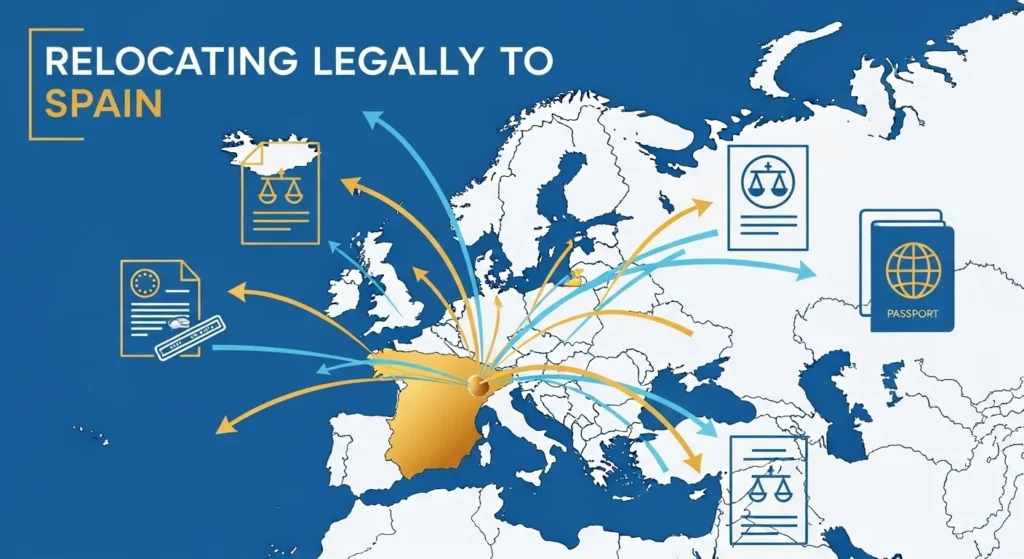
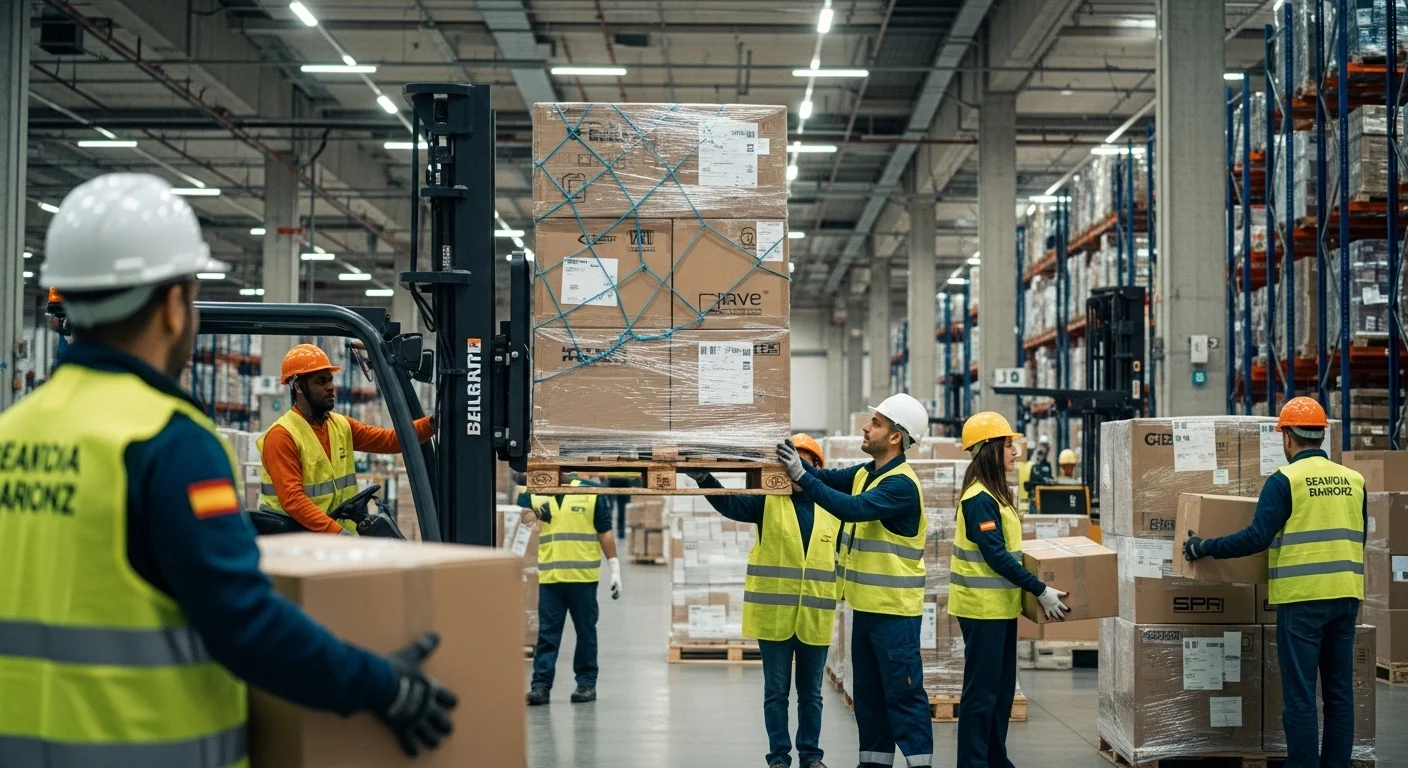
Spain is increasingly positioning itself as a hub for logistics, trade, and supply chain operations within Europe. With the rise of e-commerce and international trade, the demand for skilled and semi-skilled workers in logistics has grown significantly. This shift has led to greater emphasis on warehouse and logistics roles under Spain’s 2026 labour quota system.
The Spanish government’s labour quota system plays a crucial role in regulating the entry of foreign workers into sectors facing labour shortages. In 2026, logistics and warehouse roles are among the most in-demand occupations, offering promising opportunities for migrants seeking employment and legal residency.
This article explores how warehouse and logistics roles under Spain’s 2026 labour quota system are shaping employment opportunities, the requirements for applicants, and the long-term outlook for this sector.
Overview of Spain’s 2026 Labour Quota System
What is the Labour Quota System?
Spain’s labour quota system is a government-regulated mechanism designed to allow foreign workers to fill positions in sectors where there is a shortage of local labour.

Employers can recruit non-EU workers when they can demonstrate that suitable candidates are not available within Spain or the European Union. This system is particularly relevant for industries such as agriculture, construction, and increasingly, logistics.
Key Changes in 2026
In 2026, Spain refined its immigration policies to better align with labour market demands. The Spain labour quota system 2026 includes:
- Faster processing for high-demand sectors
- Simplified visa procedures for logistics roles
- Greater flexibility for employers hiring foreign workers
These updates reflect the growing importance of warehouse and logistics roles under Spain’s 2026 labour quota system.
Demand for Warehouse and Logistics Roles
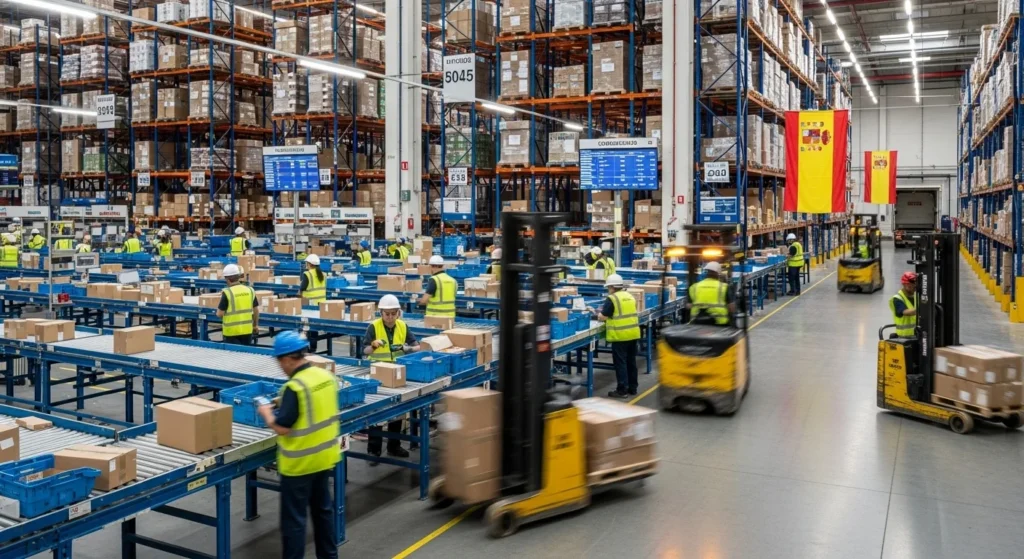
The logistics sector in Spain has experienced rapid growth due to:
- Expansion of e-commerce platforms
- Increased international trade
- Development of distribution centres
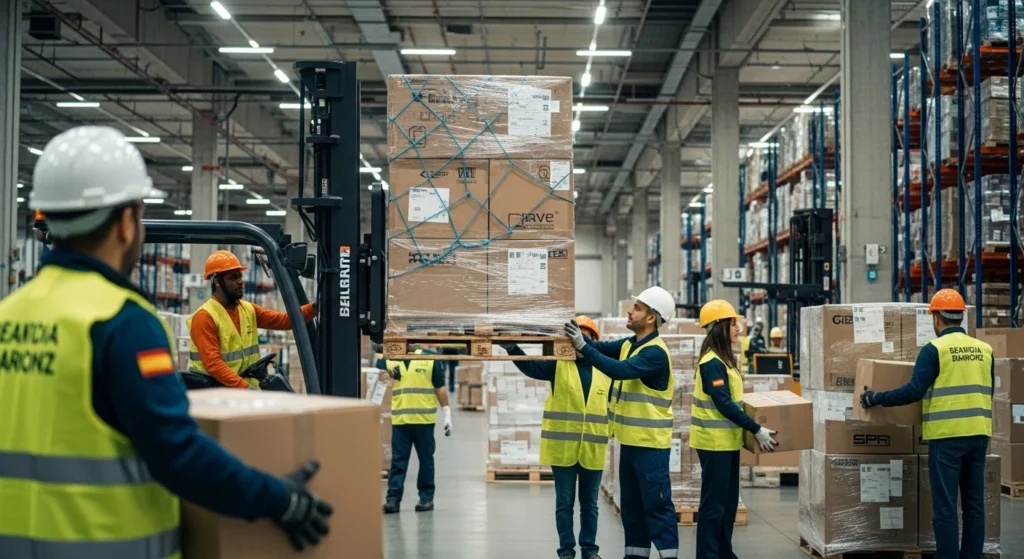
As a result, in-demand jobs in Spain logistics include warehouse operatives, forklift drivers, inventory managers, and delivery coordinators.
This surge in demand has made logistics one of the key sectors benefiting from the labour quota system.
Warehouse and Logistics Roles Under Spain’s 2026 Labour Quota System
Types of Roles Available
There is a wide range of opportunities within the logistics sector, including:
- Warehouse assistants
- Order pickers and packers
- Forklift operators
- Logistics coordinators
- Supply chain analysts

These roles vary in skill level, making them accessible to a broad range of applicants.
Skills and Qualifications Required
While some roles require minimal qualifications, others demand specific skills such as:
- Basic Spanish language proficiency
- Experience in warehouse operations
- Knowledge of logistics software
- Physical fitness for manual tasks
Employers often provide training, making it easier for foreign workers to integrate into the workforce.
Why Logistics Jobs Are Prioritised

Logistics jobs are critical to Spain’s economy, particularly in supporting supply chains and e-commerce growth.
Key reasons for prioritisation include:
- Labour shortages in the sector
- High turnover rates
- Increasing demand for fast delivery services
This has made logistics jobs in Spain for foreigners more accessible under the quota system.
Application Process for Foreign Workers
Applying for a job under the quota system involves several steps:
- Securing a job offer from a Spanish employer
- Employer obtaining approval under the quota system
- Applying for a work visa
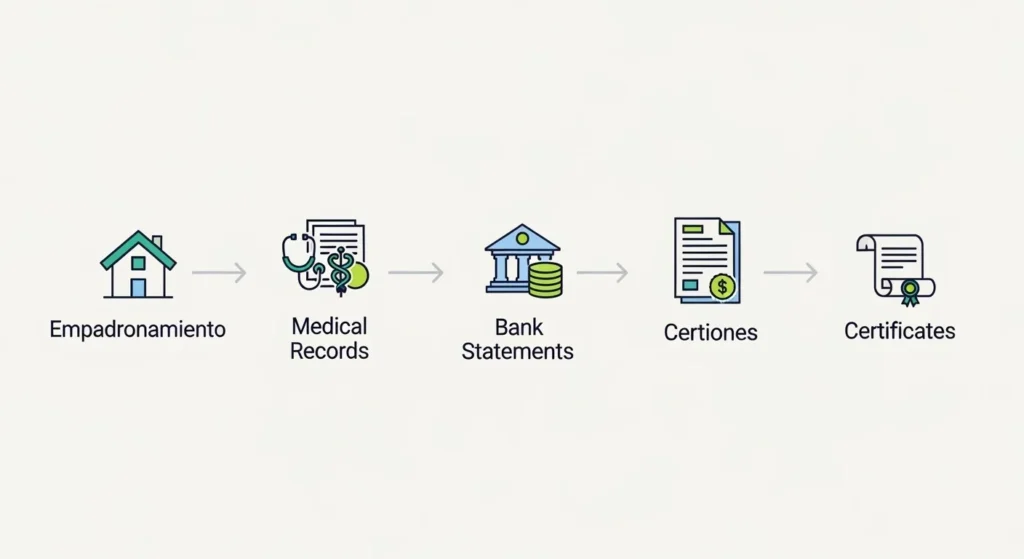
- Completing documentation requirements

Understanding Spain work visa requirements 2026 is essential for a successful application.
Benefits and Challenges for Migrants

Benefits
- Legal employment opportunities
- Pathway to long-term residency
- Access to social security and healthcare
Challenge
- Language barriers
- Adaptation to new work environments
- Administrative processes
Despite challenges, Spain immigration work opportunities in logistics remain highly attractive.
Regional Opportunities in Spain
Certain regions offer more opportunities due to their logistics infrastructure:
- Madrid – major distribution hub
- Barcelona – international trade centre
- Valencia – growing logistics network
These areas are key for warehouse jobs Spain visa applicants.
Future Outlook of Logistics Employment
The logistics sector is expected to continue growing in the coming years. Automation and technology will reshape roles, but human labour will remain essential.
Future trends include:
- Increased use of AI and automation
- Growth of e-commerce logistics
- Demand for skilled logistics professionals

This ensures continued relevance of warehouse and logistics roles under Spain’s 2026 labour quota system.
Final Thoughts
The expansion of the logistics sector has created significant opportunities for foreign workers in Spain. Warehouse and logistics roles under Spain’s 2026 labour quota system provide a structured pathway for migrants to secure employment and build a future in the country.
With the right preparation, skills, and understanding of the application process, individuals can take advantage of these opportunities and contribute to Spain’s growing economy. As demand continues to rise, the logistics sector will remain a key driver of employment and immigration opportunities.
FAQs
Are logistics jobs in Spain suitable for beginners?
Yes, many entry-level roles require minimal experience and provide on-the-job training.
Do I need to speak Spanish for warehouse jobs?
Basic Spanish is often required, but some employers accept workers with limited language skills.
How long does the visa process take?
Processing times vary but are generally faster for high-demand sectors like logistics.
Can logistics jobs lead to permanent residency?
Yes, long-term employment can contribute towards residency eligibility.
Are there seasonal logistics job opportunities?
Yes, demand increases during peak periods such as holidays and sales seasons.