

Are you confident that your construction projects in Spain fully comply with local labor laws? Understanding the Spanish Construction Agreement is essential for every business owner in the construction sector. Legal compliance is not just a regulatory requirement, it protects your company from costly fines, labor disputes, and reputational damage. Without a clear grasp of wages, worker rights, and contractual obligations, even experienced businesses can face significant risks.
This is where LeedTech steps in, offering expert guidance and comprehensive workforce compliance solutions to ensure that every employee is legally documented, fairly compensated, and deployed according to industry standards. With LeedTech, business owners can focus on growing their projects while maintaining full legal security.
Overview of the Spanish Construction Agreement
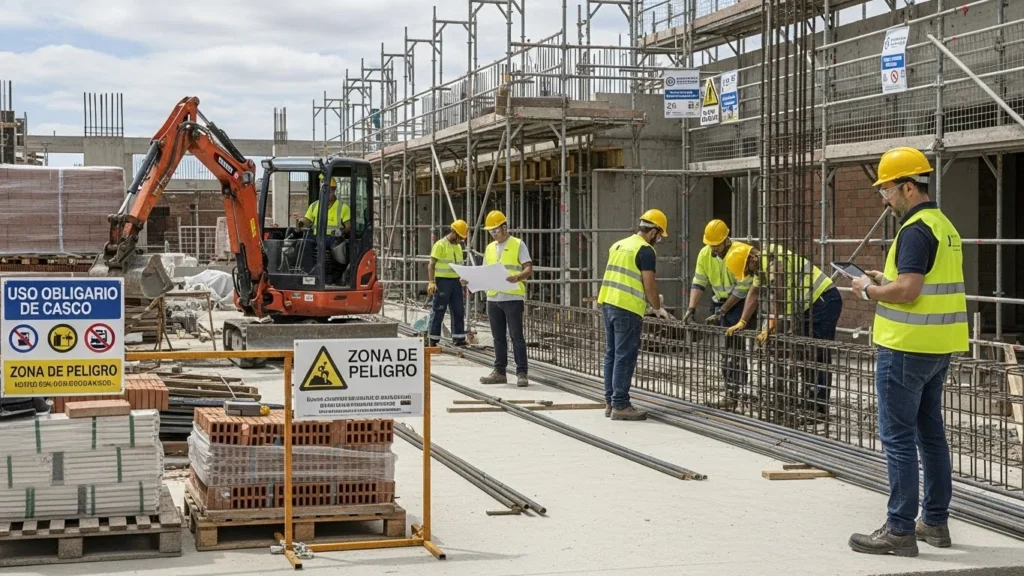
The Spanish Construction Agreement, known as the “Convenio Colectivo de la Construcción”, is a legally binding framework that regulates labor conditions in the construction sector. It ensures fair treatment, safety, and clear obligations for all parties involved. Below is an accurate overview:
Definition and Legal Relevance
The Convenio Colectivo de la Construcción is a collective labor agreement approved by labor authorities in Spain. It sets mandatory standards for wages, working hours, benefits, and occupational safety. Compliance is legally binding, and businesses that ignore its rules risk fines, labor claims, and legal disputes.
Who It Applies To?
Workers: Includes all employees in the construction sector, whether permanent, temporary, or subcontracted.
Employers: Construction companies, contractors, and subcontractors operating within Spain.
Subcontractors: Must also adhere to wage, safety, and labor standards as defined in the agreement.
Key Objectives
Fair Wages: Ensures all construction workers receive legally mandated pay, overtime compensation, and allowances.
Worker Safety: Establishes strict health and safety protocols to prevent accidents on-site.
Rights Protection: Guarantees social security contributions, leave entitlements, and dispute resolution mechanisms.
This agreement forms the foundation of workforce management in Spanish construction, providing both workers and businesses with a transparent, legally compliant framework.
Wages and Compensation Under the Construction Agreement

Understanding wages and compensation is crucial for business owners in the Spanish construction sector. The Convenio Colectivo de la Construcción establishes clear rules to ensure fair pay, transparency, and legal compliance.
Base Salary and Wage Structures
- Standardized Salaries: Every worker’s salary is determined by their role, level of experience, and region. This ensures fair and uniform pay across the sector.
- Overtime Rates: Extra hours worked beyond the standard schedule are compensated according to legal and agreement-specific rates.
- Allowances: Includes payments for night shifts, extended hours, or specific work conditions.
Bonuses, Supplements, and Benefits
- Work-Related Allowances: Compensation for travel, tools, hazardous environments, or difficult working conditions.
- Vacation and Holiday Pay: Workers are entitled to paid leave, national holidays, and extra pay for working on special days.
- Other Benefits: May include meal allowances, transportation, or sector-specific incentives mandated by the agreement.
Payment Frequency and Documentation
- Pay Slips (Nómina): Employers must issue detailed pay slips, showing base salary, overtime, bonuses, and deductions.
- Transparent Wage Reporting: Accurate documentation ensures compliance and supports audits, protecting businesses from disputes and penalties.
This structured approach to wages and benefits not only protects workers but also safeguards companies from legal issues and labor conflicts, promoting a fair and professional construction environment in Spain.
Worker Rights in the Spanish Construction Agreement
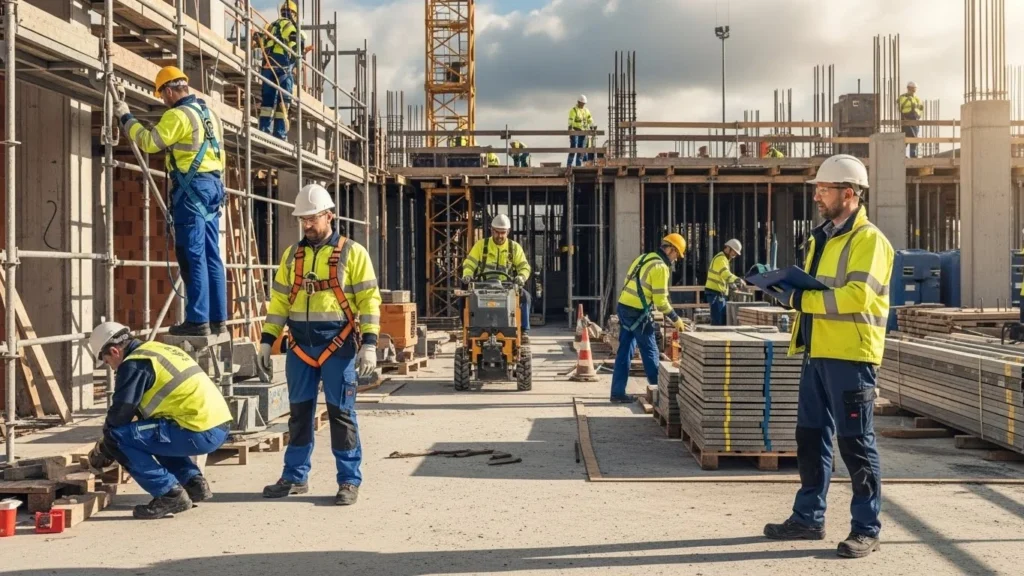
Ensuring workers’ rights is a cornerstone of the Spanish Construction Agreement (Convenio Colectivo de la Construcción). Understanding these rights helps business owners maintain legal compliance, improve workforce satisfaction, and reduce disputes.
Working Hours and Rest Periods
- Standard Working Hours: Most construction roles have a regulated weekly schedule, typically 40 hours, with clear expectations for daily work hours.
- Breaks and Rest: Employees are entitled to daily breaks, weekly rest days, and annual leave, ensuring proper work-life balance.
- Overtime Regulations: Additional work beyond standard hours must comply with legal and agreement-specific overtime rates.
Health & Safety Protections
- Personal Protective Equipment (PPE): Employers must provide appropriate PPE, such as helmets, gloves, and safety harnesses, depending on the task.
- Safety Training: Workers are required to receive formal training on site safety, machinery operation, and emergency procedures.
- On-Site Risk Prevention: Construction sites must follow strict risk prevention protocols to minimize accidents and occupational hazards.
Job Security and Termination Rights
- Contract Types: The agreement defines temporary, permanent, and project-based contracts, with probation periods clearly regulated.
- Layoffs and Severance: Rules for dismissals, including justified layoffs and severance pay, are outlined to protect employees and reduce legal disputes.
- Worker Protections: Employees cannot be terminated without valid cause, ensuring job stability and compliance.
Union and Collective Rights
- Worker Representation: Employees have the right to elect union representatives or participate in labor committees.
- Negotiation Rights: Workers can collectively negotiate better wages, benefits, or working conditions through recognized channels.
- Conflict Resolution: Established mechanisms allow for arbitration and dispute resolution under the agreement.
By adhering to these worker rights, companies not only comply with Spanish law but also foster a safer, more motivated, and loyal workforce, reducing risks and improving project outcomes.
Compliance Obligations for Business Owners

For construction businesses operating in Spain, understanding and adhering to the Spanish Construction Agreement is critical to avoid legal risks and maintain operational efficiency. Compliance goes beyond hiring, it covers documentation, payroll, wages, and rights enforcement.
Legal Documentation & Payroll Management
- Employment Contracts: All workers must have contracts aligned with the convenio colectivo, specifying role, salary, and working conditions.
- Payroll Record-Keeping: Detailed payroll records (nómina) are mandatory, documenting base salary, overtime, bonuses, and benefits.
- Audit Preparedness: Proper documentation ensures transparency and readiness for labor inspections or audits.
Adhering to Wage & Rights Standards
- Preventing Underpayment: Businesses must comply with standardized salaries and allowances to avoid disputes.
- Overtime, Bonuses, and Benefits: Overtime rates, travel allowances, and holiday pay must strictly follow agreement regulations.
- Worker Rights Compliance: Respecting working hours, rest periods, safety requirements, and contractual obligations is essential.
Consequences of Non-Compliance
- Legal & Financial Penalties: Violations can lead to fines, lawsuits, and compensation claims.
- Reputational Damage: Non-compliance impacts company reputation, affecting client trust and future contracts.
- Operational Risks: Delays in projects, worker dissatisfaction, and labor disputes may occur, causing inefficiencies and financial loss.
How LeedTech Supports Businesses in Construction Compliance

LeedTech helps business owners navigate the complex Spanish construction regulations, ensuring workforce deployment is safe, legal, and efficient.
- Verified Workforce Deployment: All workers are thoroughly vetted with proper documentation, certifications, and legal permits before placement.
- Real-Time Compliance Monitoring: LeedTech tracks wages, hours, and worker rights to ensure full adherence to the agreement.
- Audit-Ready Solutions & Risk Management: Businesses receive detailed records and reporting for inspections, audits, and internal governance, minimizing legal and operational risks.
This proactive compliance approach not only protects businesses but also ensures smoother operations, satisfied clients, and a reliable workforce.
Conclusion
Understanding the Spanish Construction Agreement (Convenio Colectivo de la Construcción) is crucial for business owners in Spain’s construction sector, as it ensures compliance with wages, worker rights, and labor regulations. Staying aligned with the agreement helps control costs, maintain legal security, and foster a reliable, productive workforce, ultimately reducing risks and supporting smooth project execution.
Ensure your construction workforce is legally compliant and risk-free. Contact LeedTech today for professional support in legal workforce deployment and construction compliance:
Frequently Asked Questions
What is the Spanish Construction Agreement?
It is a collective labor agreement regulating wages, working conditions, and rights for construction workers in Spain.
How does it impact wages for construction workers?
The agreement sets standardized salaries, overtime rates, allowances, and benefits based on role, experience, and responsibilities.
Are business owners legally liable for non-compliance?
Yes. Failure to comply can lead to fines, legal action, reputational damage, and operational delays.
What benefits do workers gain under this agreement?
Workers receive legal protections, fair wages, regulated working hours, safety measures, and access to bonuses and benefits.
How can LeedTech help companies stay compliant?
LeedTech provides verified workforce deployment, real-time compliance monitoring, audit-ready documentation, and risk management solutions tailored for the construction industry.