Spain has become one of Europe’s most attractive destinations for expatriates, digital nomads, and skilled professionals. However, obtaining legal residency is not merely about submitting documents, it involves a critical phase known as the bureaucratic verification stage in residency applications. This stage determines whether an applicant meets all legal, financial, and security requirements set by Spanish authorities. For many applicants, it is the most complex and time-consuming part of the process. In this guide, we will explore how the system works, what authorities look for, and how applicants can successfully navigate this stage while avoiding common pitfalls.
What is the Bureaucratic Verification Stage in Spain?
The bureaucratic verification stage in residency applications refers to the formal review process conducted by Spanish authorities after an application has been submitted. During this phase, officials verify the authenticity, accuracy, and completeness of all documents provided.
This stage is essential because it ensures:
- Compliance with Spanish immigration laws
- Prevention of fraud or false documentation
- Verification of financial stability and legal eligibility
Without successfully passing this stage, no residency permit can be granted.
Key Authorities Involved in Residency Verification
Several government bodies collaborate during this process to ensure thorough evaluation:
Immigration Offices (Oficinas de Extranjería)
These offices are primarily responsible for processing residency applications and verifying documentation.
National Police
The police may conduct identity checks and verify criminal records to ensure public safety.
Local Municipalities (Ayuntamiento)
They confirm residency status through local registration (empadronamiento).
Each authority plays a distinct role, making the verification stage multi-layered and comprehensive.
Documents Reviewed During the Verification Stage
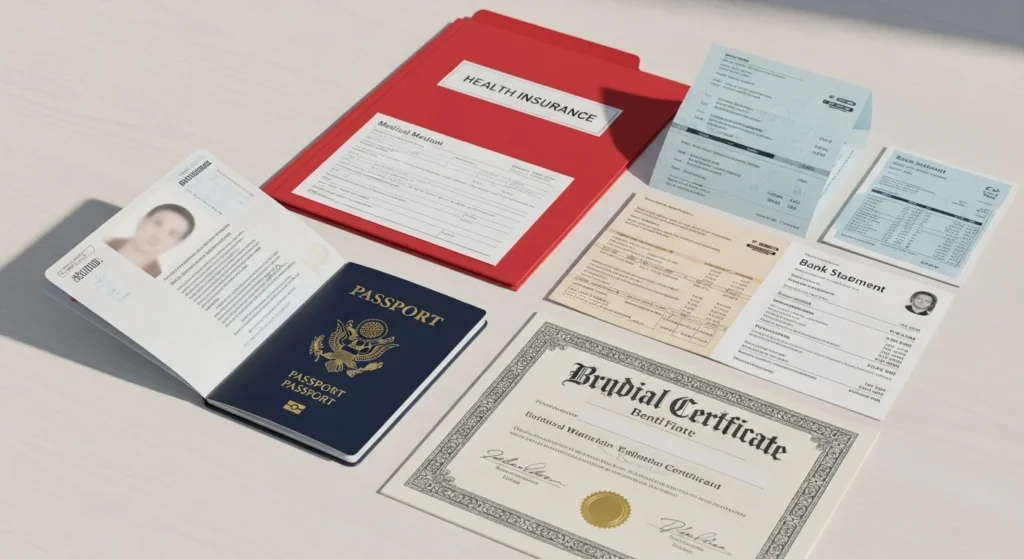
Applicants must provide accurate and legally valid documents. The most commonly reviewed documents include:
Identity and Passport
A valid passport is essential. Authorities check for authenticity and expiration dates.
Financial Proof
Applicants must demonstrate sufficient financial resources, such as:
- Bank statements
- Employment contracts
- Proof of income
Health Insurance
Private or public health insurance must meet Spanish standards.
Criminal Record Certificate
Applicants must provide a clean criminal record from their home country or countries of residence.
Failure to submit any of these documents correctly can lead to delays or rejection.
Step-by-Step Process of Bureaucratic Verification
Understanding the process can help applicants prepare effectively:
Application Submission
The applicant submits all required documents either online or at a designated office.
Initial Screening
Authorities check whether the application is complete.
Background Verification
Detailed checks are conducted on:
- Identity
- Financial stability
- Criminal history
Final Decision
Authorities either:
- Approve the application
- Request additional documents
- Reject the application
This structured approach ensures fairness and transparency in the system.
Common Challenges Applicants Face
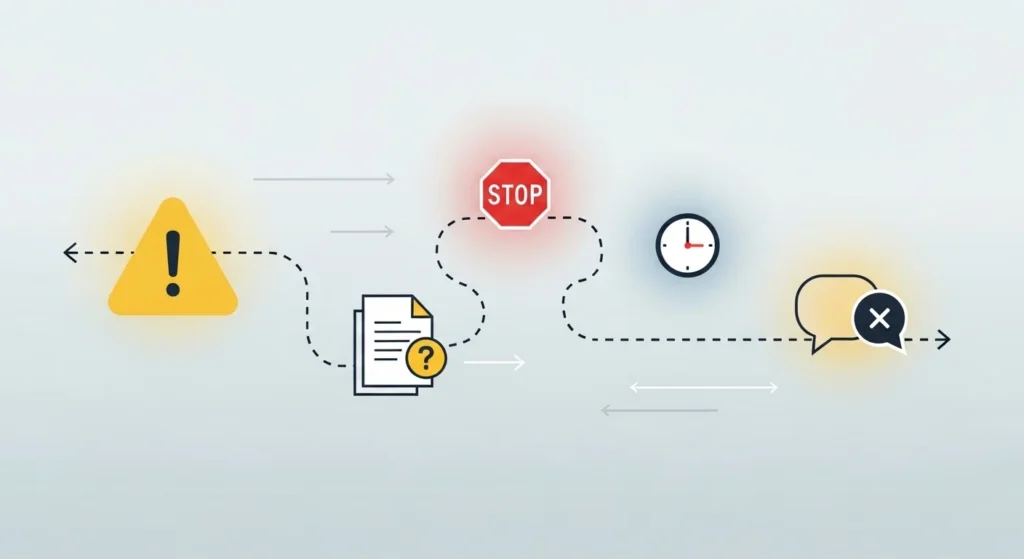
Many applicants encounter difficulties during the verification stage:
Delays in Processing
Applications may take longer due to high demand or administrative backlog.
Incomplete Documentation
Missing or incorrectly translated documents are a frequent issue.
Language Barriers
Spanish is often required for official documents, creating challenges for non-native speakers.
Legal Complexities
Understanding immigration laws can be overwhelming without expert help.
Processing Time and What to Expect
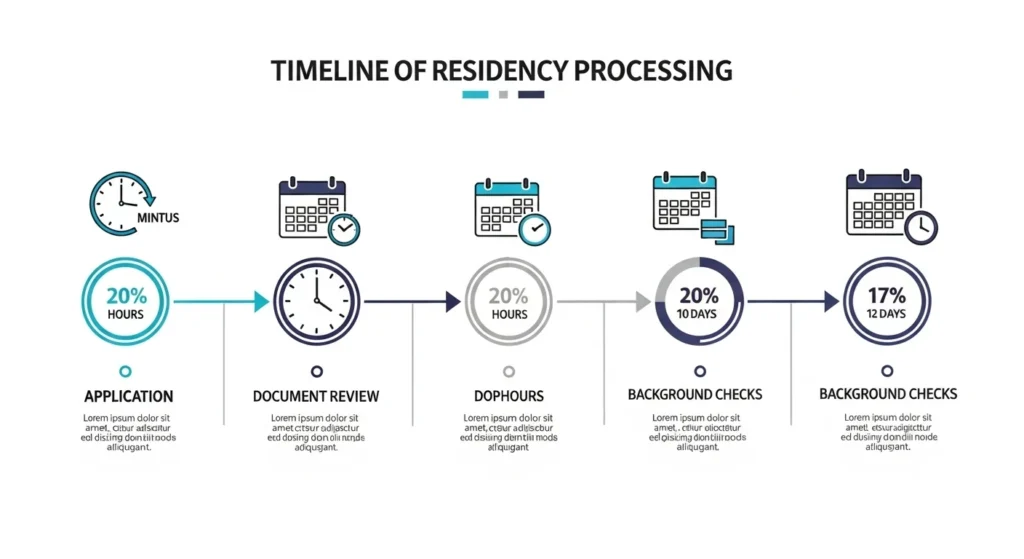
The time frame for the bureaucratic verification stage in residency applications varies depending on the type of visa and region.
Typical Timelines
- Short-term visas: 1–3 months
- Long-term residency: 3–6 months (or longer)
Factors Affecting Processing Time
- Volume of applications
- Accuracy of submitted documents
- Background checks complexity
- Regional administrative efficiency
Applicants should always plan for possible delays and avoid last-minute submissions.
Tips to Successfully Navigate the Verification Stage
To increase the chances of approval, applicants should follow these strategies:
Prepare Documents Carefully
Ensure all documents are:
- Complete
- Translated into Spanish (if required)
- Properly certified
Double-Check Requirements
Each residency type has different criteria, always verify the latest requirements.
Submit Accurate Information
Any discrepancies can lead to rejection or legal complications.
Seek Professional Assistance
Legal experts or immigration consultants can simplify the process and reduce risks.
Why Professional Guidance Matters

Navigating Spain’s immigration system without expert help can be challenging. Professional services provide:
- Up-to-date legal knowledge
- Document verification support
- Faster processing through correct submissions
- Reduced risk of rejection
For businesses like leedtechservices.com, offering guidance in this area can significantly help clients achieve successful outcomes while building trust and credibility.
Final Thoughts
The bureaucratic verification stage in residency applications is a critical checkpoint that determines whether applicants can legally reside in Spain. While the process may seem complex, proper preparation and understanding can make it manageable. By ensuring accurate documentation, meeting all requirements, and seeking professional support when needed, applicants can navigate this stage with confidence and increase their chances of success.
FAQs
Can I speed up the verification process in Spain?
While you cannot directly speed up the process, submitting complete and accurate documents can prevent unnecessary delays.
What happens if my documents are rejected?
Authorities may request corrections or additional documents. In some cases, you may need to reapply.
Is translation mandatory for all documents?
Yes, most foreign documents must be officially translated into Spanish.
Do all residency applications go through verification?
Yes, every application undergoes a verification stage, though the depth may vary depending on the visa type.
Can I stay in Spain while my application is under review?
This depends on your visa status. Some applicants are allowed to stay legally during the processing period.