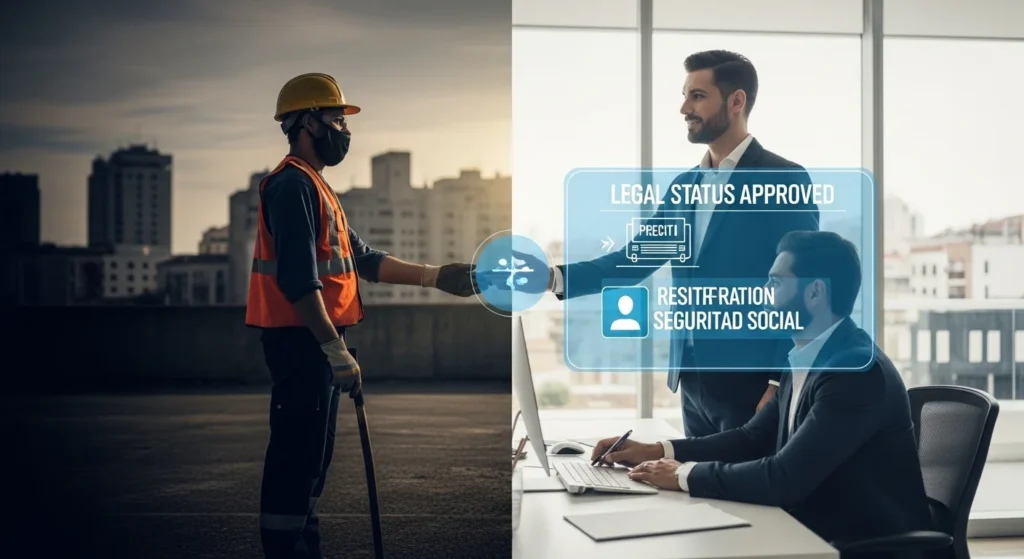

The upcoming immigration regularization initiative in Spain for 2026 is expected to become one of the most significant opportunities for undocumented migrants in recent years. For thousands of families and workers living without legal status, this extraordinary process could open the door to residency permits, formal employment, healthcare access, and long-term stability.
The policy reflects the broader migration strategy of the Government of Spain, which aims to integrate migrants into society while strengthening the national economy and labor market. With labor shortages in multiple sectors and the need for social inclusion, this regularization program could benefit both migrants and the country as a whole.
In this comprehensive guide of LeedTech, you will learn everything about the top benefits of Spain’s 2026 immigration regularization for families and workers, eligibility requirements, application preparation tips, and how to maximize your chances of success.
What Is Spain’s 2026 Immigration Regularization?
Immigration regularization refers to a special government process that allows undocumented migrants to obtain legal residency if they meet certain conditions. Unlike standard immigration pathways, extraordinary regularization programs are usually temporary and designed to address humanitarian, economic, or demographic needs.
The 2026 program is expected to provide:
- Temporary or initial residence permits
- Legal work authorization
- Access to public services
- Pathways toward permanent residency
For many migrants who have lived and worked in Spain for years without legal recognition, this initiative represents a life-changing opportunity.
Why This Program Is Important for Migrants
Undocumented migrants often face significant challenges, including:
- Limited job opportunities
- Risk of exploitation
- Lack of healthcare access
- Housing insecurity
- Fear of deportation
- Difficulty accessing education for children

Regularization removes many of these barriers and allows individuals to participate fully in society. It also benefits the government by increasing tax revenue, improving labor market transparency, and reducing informal employment.
Top Benefits of Spain’s Immigration Regularization for Families

Legal Residency and Stability
The most important benefit is obtaining legal residency status. This provides security, peace of mind, and protection under the law.
Families can finally live without constant fear of deportation and build a stable future.
Family Reunification Opportunities
Regularized migrants may gain the right to sponsor family members under family reunification policies. This allows spouses, children, and sometimes parents to join legally.
For many migrants separated from loved ones, this is one of the most emotional and valuable benefits.
Access to Healthcare Services
Legal status often grants access to Spain’s public healthcare system, which is considered one of the best in Europe.
Benefits include:
- Medical consultations
- Emergency services
- Preventive care
- Maternal and child healthcare
- Prescription medication support
Healthcare access significantly improves quality of life for families.
Education Opportunities for Children
Children of regularized migrants gain easier access to:
- Public education
- Scholarships and support programs
- Extracurricular opportunities
- Higher education pathways
Education access is essential for long-term social integration and economic mobility.
Housing and Financial Security
Legal status makes it easier to:
- Rent apartments legally
- Sign contracts
- Open bank accounts
- Apply for financial services
- Access housing assistance programs
Families can move out of overcrowded or informal housing into safer living conditions.
Top Benefits for Workers
Legal Work Authorization
One of the biggest advantages is the ability to work legally. Workers can obtain employment contracts, labor rights, and protections under Spanish law.
This reduces exploitation and improves wages and working conditions.

Access to Better Job Opportunities
With legal status, migrants can move into:
- Skilled professions
- Higher-paying jobs
- Formal employment sectors
- Career advancement roles
Employers also benefit by hiring workers legally without administrative risks.
Social Security and Employment Benefits
Legal workers can contribute to Spain’s social security system, gaining access to:
- Pension benefits
- Unemployment assistance
- Workplace injury protection
- Maternity and paternity benefits
These protections create long-term financial stability.
Professional Training and Certification
Regularized migrants may access vocational training programs, language courses, and professional certifications, improving employability and career growth.
Entrepreneurship Opportunities
Legal residency allows migrants to:
- Start businesses
- Register companies
- Become self-employed
- Access financial support programs
Entrepreneurship contributes to both personal success and economic growth.
Economic and Social Impact of the Regularization Program
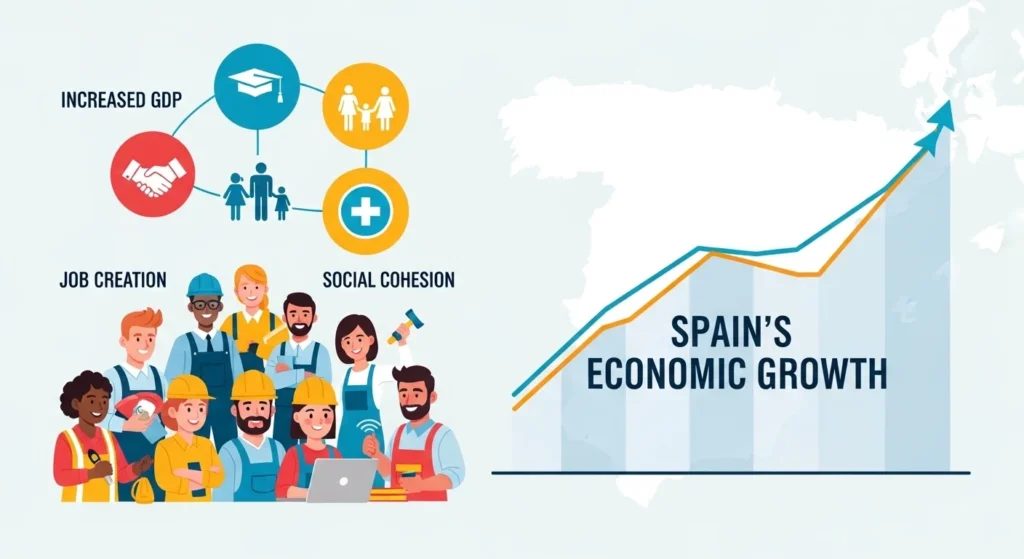
Immigration regularization programs are not only beneficial for migrants but also for the host country.
Potential national benefits include:
- Greater workforce productivity
- Increased tax revenue
- Reduction in informal labor markets
- Filling labor shortages
- Economic growth
- Social cohesion
- Improved public safety
- Greater workforce productivity
Spain faces demographic challenges, including an aging population and labor shortages in sectors such as agriculture, construction, hospitality, and caregiving. Migrant integration helps address these challenges.
Eligibility Requirements (Expected)
Although final details may vary, typical eligibility criteria could include:
- Proof of residence in Spain for a specific period
- Clean criminal record
- Evidence of employment or economic activity
- Social integration proof (community ties, training, etc.)
- Registration in local municipal records (empadronamiento)
Applicants should prepare documentation early to avoid delays.
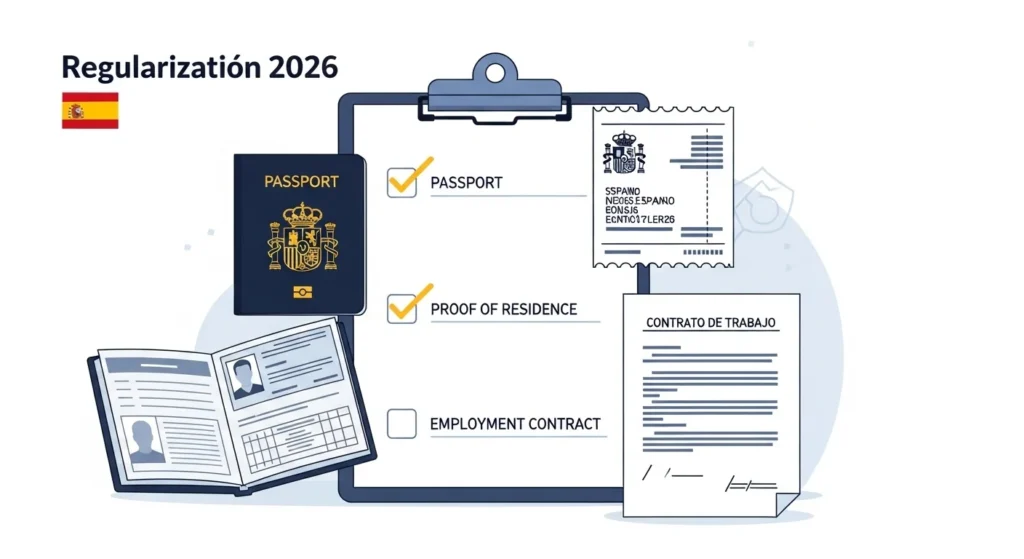
Documents You May Need
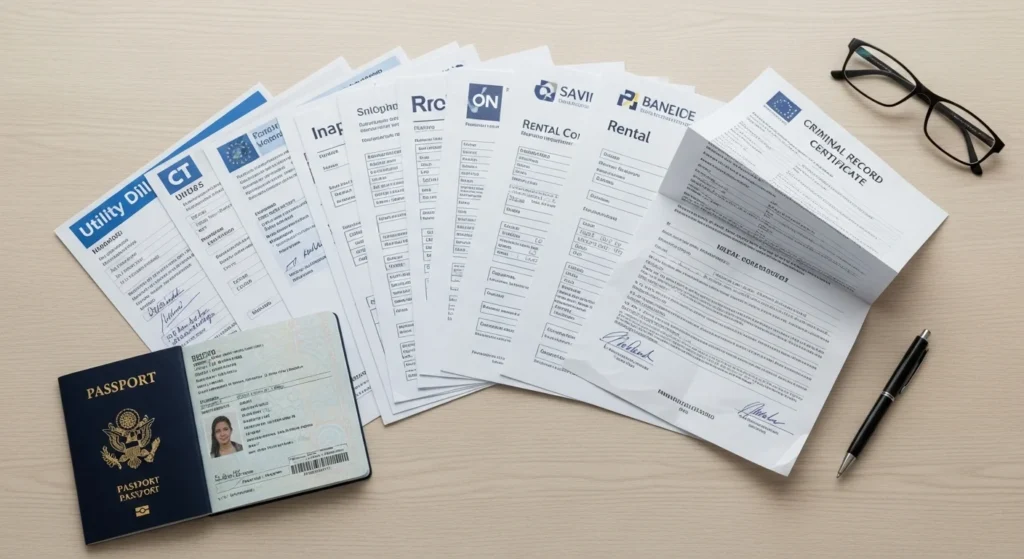
Common documents for immigration regularization may include:
- Passport or identification
- Proof of residence history
- Rental contracts or utility bills
- Employment records
- Bank statements
- Training certificates
- Social integration reports
- Criminal background checks
Strong documentation increases approval chances significantly.
Application Tips to Improve Your Chances
- Prepare Early: Start collecting documents months before the application window opens.
- Keep Evidence Organized: Maintain clear records showing continuous residence and activity in Spain.
- Seek Professional Guidance: Immigration procedures can be complex. Consulting experienced professionals improves success rates.
- Avoid Fraud or False Information: Providing inaccurate information can lead to rejection or future legal problems.
- Follow Official Updates: Stay informed about deadlines and requirements announced by authorities.

Long-Term Opportunities After Regularization

Immigration regularization is only the first step toward a better future. After obtaining residency, migrants may pursue:
- Permanent residency permits
- Citizenship eligibility (after required years)
- Higher education opportunities
- Property ownership
- Business expansion
- Family reunification
- Career development
For many families, this process transforms temporary survival into long-term success.
Conclusion
The 2026 immigration regularization program represents a powerful opportunity for undocumented migrants living in Spain. For families, it offers stability, healthcare, education, and reunification possibilities. For workers, it opens doors to legal employment, better wages, and long-term financial security. Beyond individual benefits, the initiative supports Spain’s economy, workforce needs, and social integration goals, making it a transformative policy for both migrants and society. Preparing early, understanding eligibility requirements, and gathering strong documentation will be essential for success when the application window opens.
If you want expert guidance, updates, and professional support related to immigration processes, documentation preparation, or related services, visit LeedTech Services today. Our team is ready to help you navigate complex procedures with confidence and clarity.
FAQs
Who can apply for Spain’s 2026 immigration regularization?
Undocumented migrants who meet residency and eligibility requirements set by Spanish authorities may qualify.
When will the application process start?
The expected window is likely between April and June 2026, but official announcements should be monitored.
Will applicants receive work permits?
Yes, most regularization programs include legal work authorization.
Can families benefit from this program?
Absolutely. Families may gain residency, healthcare access, education benefits, and reunification opportunities.
Does regularization lead to permanent residency?
In many cases, temporary permits can later be renewed and lead to permanent residency or citizenship eligibility.
Is legal assistance necessary?
While not mandatory, professional guidance can significantly improve application success and reduce errors.