

Spain has long been a destination for migrants seeking employment and better living conditions. However, integrating into the Spanish labour market requires more than simply securing a job. One of the most critical indicators of legal and economic integration is participation in the national social security system.
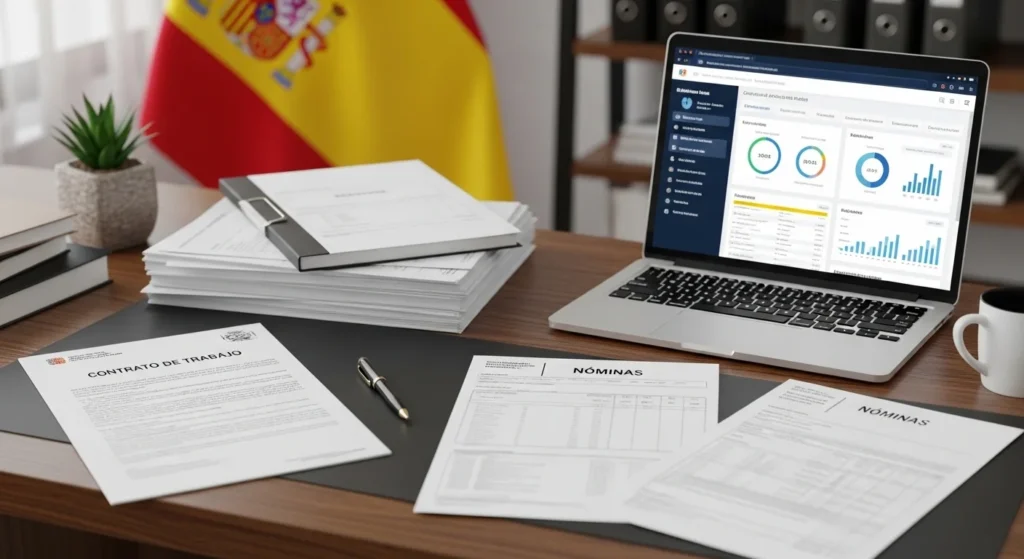
Social security contributions serve as formal proof that an individual is actively engaged in the workforce. They demonstrate compliance with labour laws, financial participation in the economy, and eligibility for various rights and protections. For migrants, these contributions are particularly important as they often determine access to residency permits, work authorisations, and long-term settlement opportunities.
This article explores the role of social security contributions as proof of labour integration in Spain, explaining their legal significance, practical implications, and future outlook.
Social Security Contributions as Proof of Labour Integration in Spain

Social security contributions are mandatory payments made by both employees and employers into Spain’s public welfare system. These contributions fund essential services such as healthcare, pensions, unemployment benefits, and disability support.
In the context of labour integration, these contributions act as official evidence that an individual is working legally within the country. Spanish immigration authorities frequently use contribution records to assess whether a migrant is genuinely integrated into the labour market. Without consistent contributions, proving stable employment and economic participation becomes significantly more difficult.
Understanding Spain’s Social Security System
What Are Social Security Contributions?
Social security contributions are financial payments deducted from an employee’s salary, with additional contributions made by the employer. These payments are regulated by Spanish law and are essential for accessing public benefits.
They are recorded under an individual’s social security number, creating a traceable employment history.

Types of Contributions (Employer & Employee)
In Spain, both employers and employees share responsibility for contributions:
- Employer contributions: Cover a larger percentage and include workplace insurance and unemployment coverage.
- Employee contributions: Deducted directly from wages and contribute to pensions and healthcare.
This shared system ensures sustainability and fairness.
Registration and Documentation
To begin contributing, workers must be registered with Spain’s Social Security system. Employers are responsible for registering employees before they start work.
Key documents include:
- Registration certificate (alta en la Seguridad Social)
- Social Security Number (Número de la Seguridad Social)
- Employment contract
Legal Importance for Immigration and Residency

Arraigo Social and Labour Integration
One of the most important pathways for undocumented migrants in Spain is arraigo social. This legal mechanism allows individuals to regularise their status based on social and labour integration. Social security contributions play a crucial role in proving employment and supporting the application.
Work Permits and Renewals
When applying for or renewing a work permit, authorities assess whether the applicant has been actively contributing to the system. A consistent contribution record strengthens the application and reduces the risk of rejection.
Long-Term Residency Applications
For long-term or permanent residency, applicants must demonstrate sustained economic activity. Social security records provide reliable evidence of this. Gaps or irregularities in contributions can negatively impact eligibility.
How Contributions Demonstrate Labour Integration
Continuous Employment Record
Regular contributions indicate stable employment. Authorities view this as a sign of reliability and commitment to the labour market.
Economic Participation

Contributing to the system means actively supporting Spain’s economy. This reflects financial independence and responsibility.
Social Inclusion Indicators
Beyond economics, contributions show integration into Spanish society. Workers gain access to healthcare, pensions, and social protections, reinforcing their inclusion.
Key Documents and Proof Requirements
Social Security Certificates
Certificates issued by the Social Security authority provide an official record of contributions. These are often required for immigration procedures.
Employment Contracts
Contracts confirm the legal relationship between employer and employee. They support contribution records and validate employment status.
Payslips and Tax Records
Payslips (nóminas) and tax documents (IRPF records) further demonstrate income and compliance with financial regulations.
Challenges Faced by Migrants
Despite its importance, many migrants face challenges:
- Informal Employment: Working without contracts prevents contributions.
- Gaps in Contributions: Periods of unemployment can affect records.
- Bureaucratic Hurdles: Complex procedures can delay registration and documentation.

Addressing these challenges is essential for improving integration outcomes.
Policy Trends and Future Outlook
Spain is actively working to modernise its labour and immigration systems.
- Digitalisation: Online systems make it easier to track contributions.
- Labour Reforms: Policies aim to reduce informal employment.
- Integration Programmes: Government initiatives support migrant inclusion.
These developments are expected to strengthen the role of social security contributions in the coming years.
Conclusion
Social security contributions as proof of labour integration in Spain remain one of the most reliable indicators of economic and legal participation. They provide a transparent and verifiable record of employment, enabling authorities to assess eligibility for residency and work permits. For migrants, maintaining consistent contributions is essential for securing long-term stability. As Spain continues to modernise its systems, the importance of these contributions will only increase.
Final Thoughts
Labour integration is a multifaceted process, but social security contributions lie at its core. They bridge the gap between employment and legal recognition, offering migrants a pathway to stability and inclusion. Understanding and maintaining these contributions is not just a legal requirement—it is a crucial step towards building a secure future in Spain.
FAQs
Can self-employed individuals use contributions as proof of integration?
Yes, self-employed workers (autónomos) also contribute to the Social Security system, and their records can be used as proof of labour integration.
How long should contributions be maintained for residency applications?
While requirements vary, consistent contributions over several months or years significantly strengthen applications.
What happens if there is a gap in contributions?
Short gaps may be acceptable, but long periods without contributions can weaken immigration applications.
Are social security contributions linked to healthcare access in Spain?
Yes, contributing to the system typically grants access to Spain’s public healthcare services.
Can contributions from part-time work be considered valid?
Yes, part-time work contributions are valid, provided they are properly registered and documented.