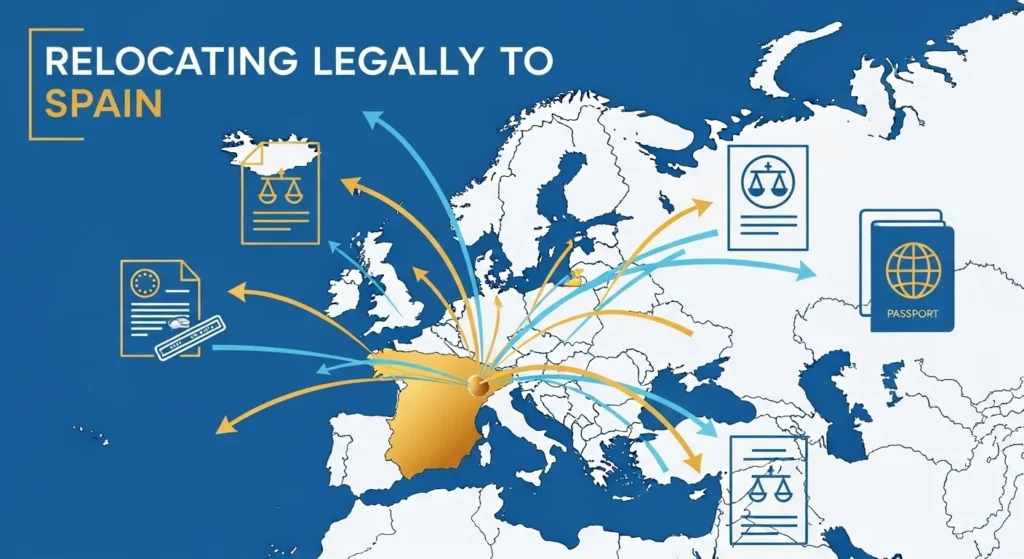
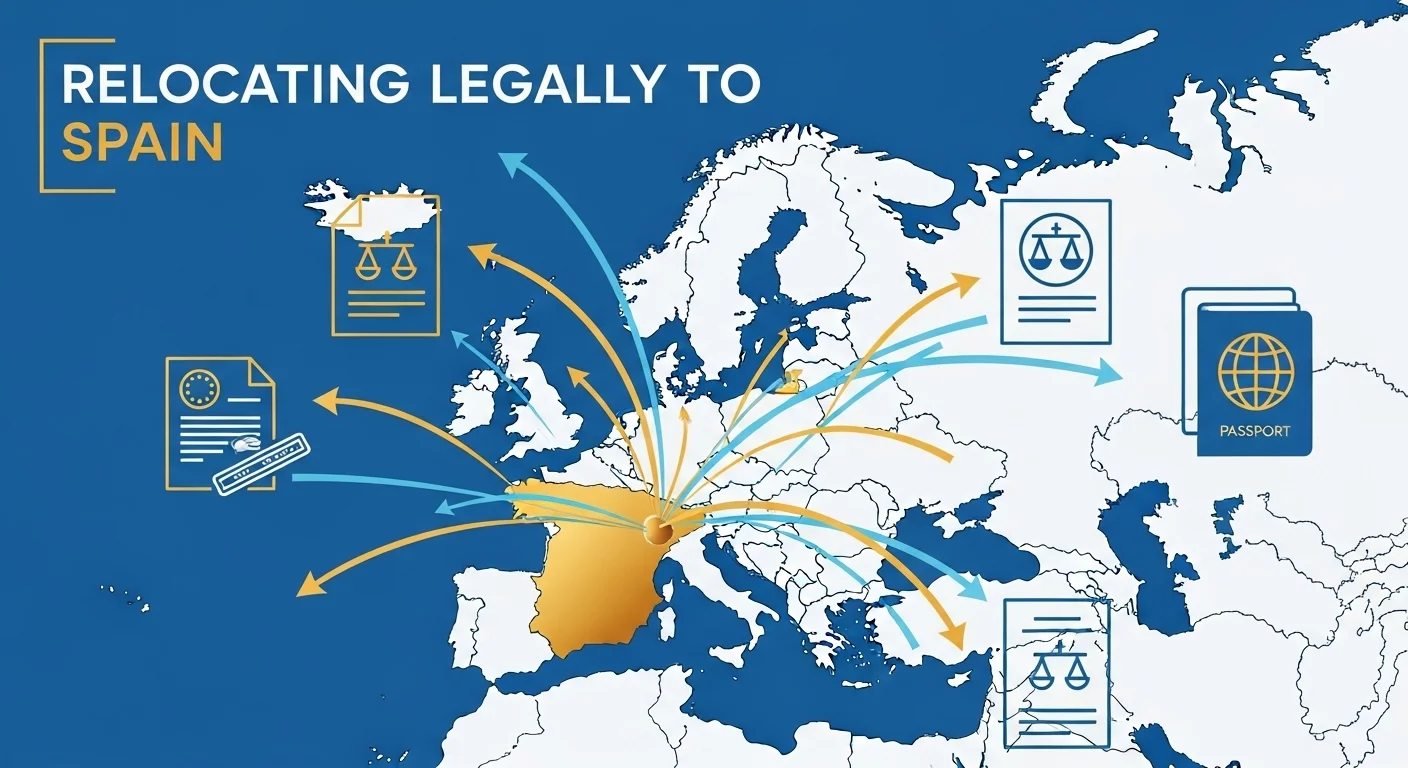
In recent years, cross-border mobility within Europe has increased significantly. Many individuals living in one European country often explore opportunities in another, particularly in countries with strong labour markets and lifestyle benefits such as Spain. However, a common misconception persists: holding a residence permit in one EU country automatically allows relocation to another.
In reality, portability permits between EU states are limited in scope. While the European Union promotes mobility, immigration policies remain largely under national control. Therefore, relocating legally to Spain requires a clear understanding of how residence rights, permits, and legal pathways function across EU member states.
This article explores how portability works, the legal limitations involved, and the most effective strategies for relocating to Spain while remaining compliant with immigration laws.
Understanding Portability Permits Between EU States
The concept of portability permits between EU states refers to the ability to move from one EU country to another while maintaining legal residence status. However, this concept is often misunderstood.
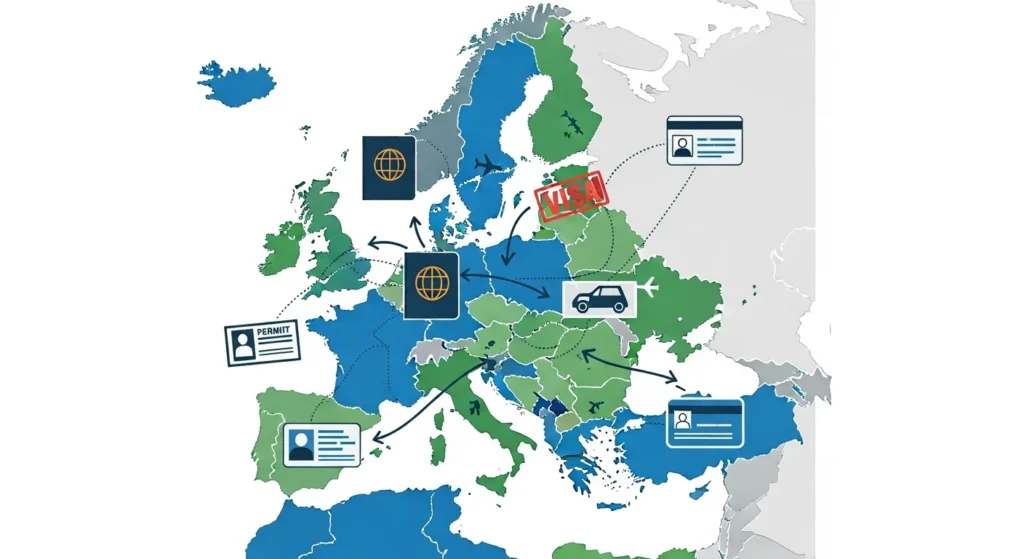
EU Mobility vs National Residence Permits
Firstly, it is important to distinguish between EU mobility rights and national residence permits. EU citizens enjoy full freedom of movement under EU law. In contrast, third-country nationals (non-EU citizens) holding residence permits in one EU country do not automatically gain the right to live and work in another.
For example, a residence permit issued in France or Germany allows legal stay in that specific country. It may allow short-term travel across the Schengen Area, but it does not grant the right to settle or work in Spain.
Limited Portability Rights
Some exceptions exist. Long-term EU residents may benefit from certain mobility rights under Directive 2003/109/EC. However, even in such cases, individuals must apply for a new residence permit in Spain.
Therefore, portability does not mean automatic transfer. Instead, it provides a facilitated pathway, not a guaranteed right.
Can You Relocate to Spain Using an EU Permit?
The short answer is no, at least not directly.
Schengen Travel vs Legal Residency
Many people confuse Schengen mobility with residency rights. While a valid residence permit allows travel within Schengen countries for up to 90 days, it does not permit employment or long-term stay in Spain.
Requirement for a Spanish Residence Permit
To relocate legally, individuals must obtain a Spanish residence permit. This requirement applies regardless of whether they already hold a permit from another EU country.
However, prior residence in the EU can strengthen applications. It demonstrates legal compliance, integration, and stability.
Legal Routes to Move to Spain from Another EU Country
Although direct portability is limited, several legal pathways exist.
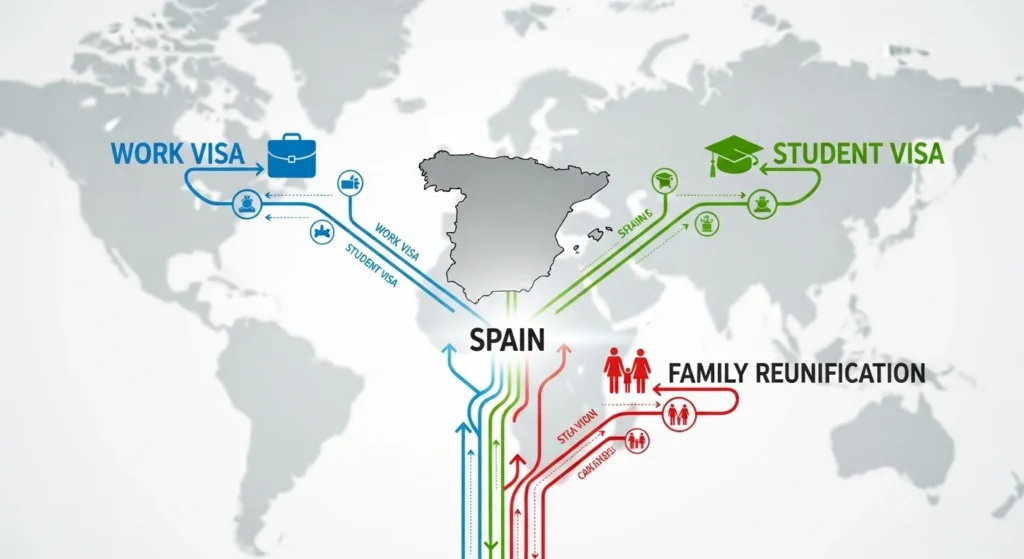
Work Visa Pathway
One of the most common routes is applying for a Spain work visa. Employers in Spain can sponsor foreign workers, particularly in sectors experiencing labour shortages such as construction, healthcare, and IT.
Student Visa Pathway
Another effective strategy involves enrolling in accredited programmes. A Spain student visa allows legal residence and can later transition into a work permit.
Highly Skilled Worker Schemes
Spain offers permits for highly qualified professionals under its migration framework. These schemes provide faster processing and more flexibility.
Family Reunification
If a family member legally resides in Spain, individuals may apply under family reunification policies, providing a stable route to residency.
Requirements for Legal Relocation to Spain

To successfully relocate, applicants must meet several criteria.
Documentation
Applicants must provide:
- Valid passport
- Proof of legal residence in previous EU country
- Employment contract or admission letter
- Clean criminal record
Financial Stability
Authorities require proof of sufficient funds to support living expenses in Spain.
Health Insurance
Comprehensive private or public health insurance in Spain is mandatory.
Registration Process
Upon arrival, individuals must:
- Register with local authorities
- Obtain a foreigner identification number (NIE)
- Complete residency formalities
Benefits of Relocating to Spain Legally
Relocating through legal channels offers multiple advantages.
Access to the Labour Market
Legal residency allows full participation in the Spanish labour market, ensuring job security and rights.

Long-Term Stability
Legal pathways provide a clear route to long-term residence in Spain, typically after five years.
Quality of Life
Spain offers a high standard of living, affordable healthcare, and a strong social system.
Common Challenges and How to Overcome Them
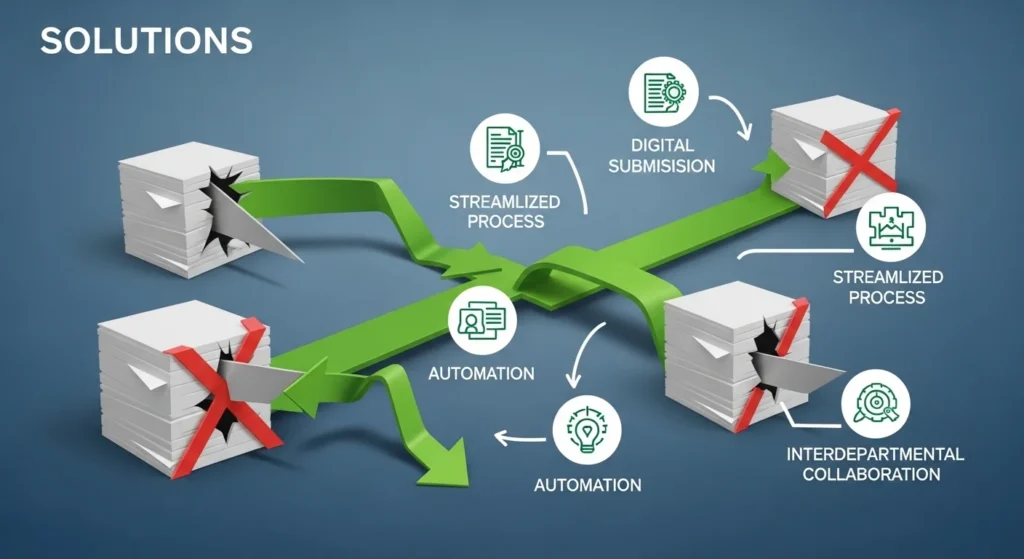
Despite the benefits, challenges exist.
Bureaucratic Complexity
Spain’s administrative processes can be time-consuming. However, proper preparation and professional guidance can simplify procedures.
Permit Conversion Issues
Transitioning from one EU permit to a Spanish permit can be complex. Applicants should carefully select the most suitable visa pathway.
Language Barriers
Although many professionals speak English, learning Spanish significantly improves integration and employment opportunities.
Transitioning from Temporary to Permanent Residency
After legally residing in Spain for five years, individuals may apply for long-term residence.
Key Requirements
- Continuous legal stay
- Stable income
- Social integration
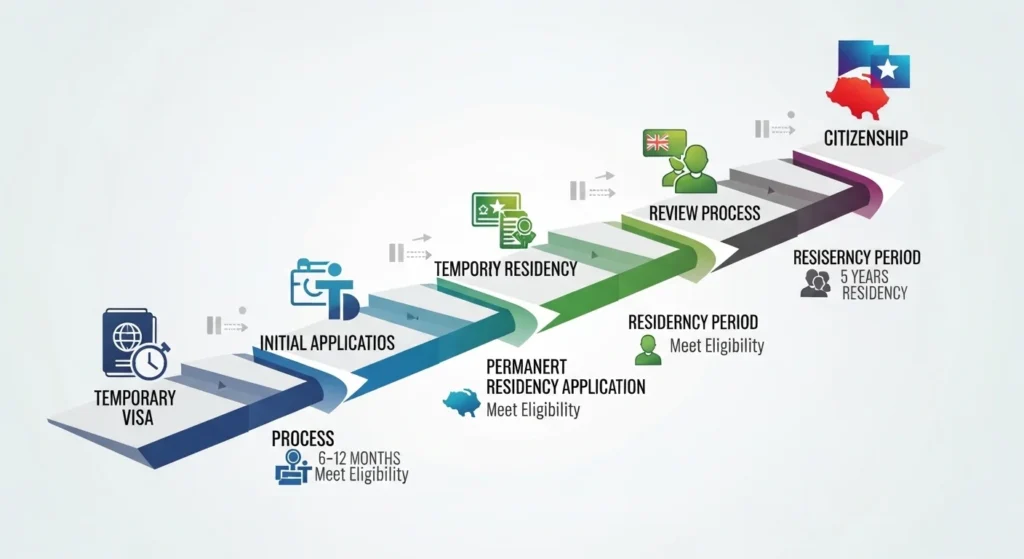
Eventually, long-term residents may pursue permanent residency or even citizenship, depending on eligibility.
Final Thoughts

Understanding portability permits between EU states is essential for anyone planning to relocate legally to Spain. While the EU promotes mobility, national immigration systems still govern residency rights.
Therefore, individuals must approach relocation strategically, selecting the appropriate visa pathway and ensuring full legal compliance.
By leveraging options such as work visas, student permits, or family reunification, it is possible to transition smoothly into Spanish residency. Ultimately, a well-planned approach not only ensures legal security but also opens doors to long-term opportunities within Spain’s dynamic economy.
FAQs
Can I transfer my EU residence permit directly to Spain?
No, you cannot directly transfer a residence permit. You must apply for a new Spanish residence permit.
Does an EU residence permit allow me to work in Spain?
No, it only allows short stays. You need a valid Spanish work permit for employment.
Is Spain easier to immigrate to than other EU countries?
Spain offers accessible pathways, especially through vocational training and work visas, but requirements still apply.
How long does it take to get residency in Spain?
Processing times vary, but most permits take between 1 to 3 months.
Can I apply for Spanish residency while living in another EU country?
Yes, in many cases you can apply from your current country of residence through the Spanish consulate.