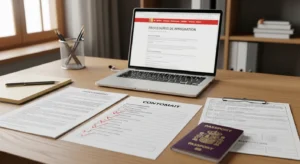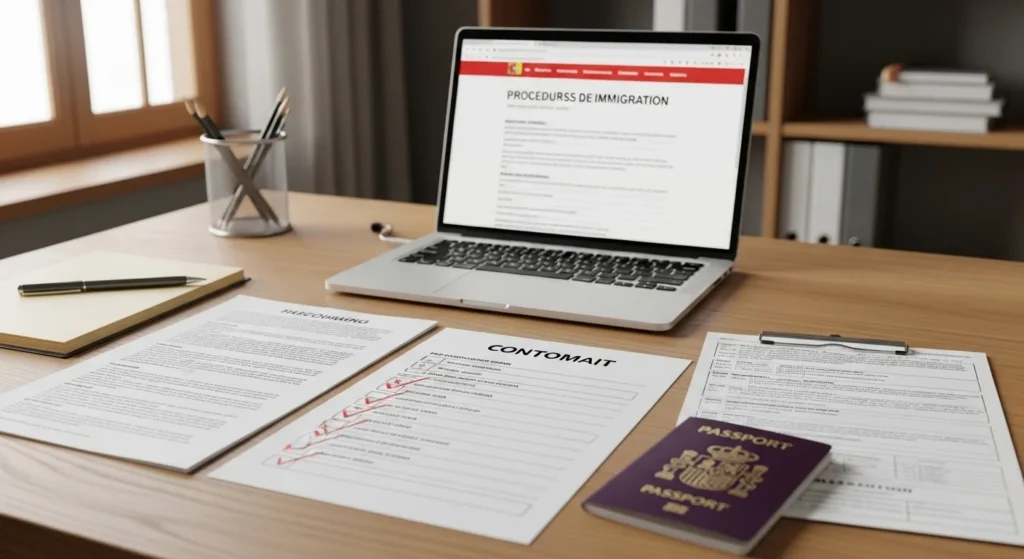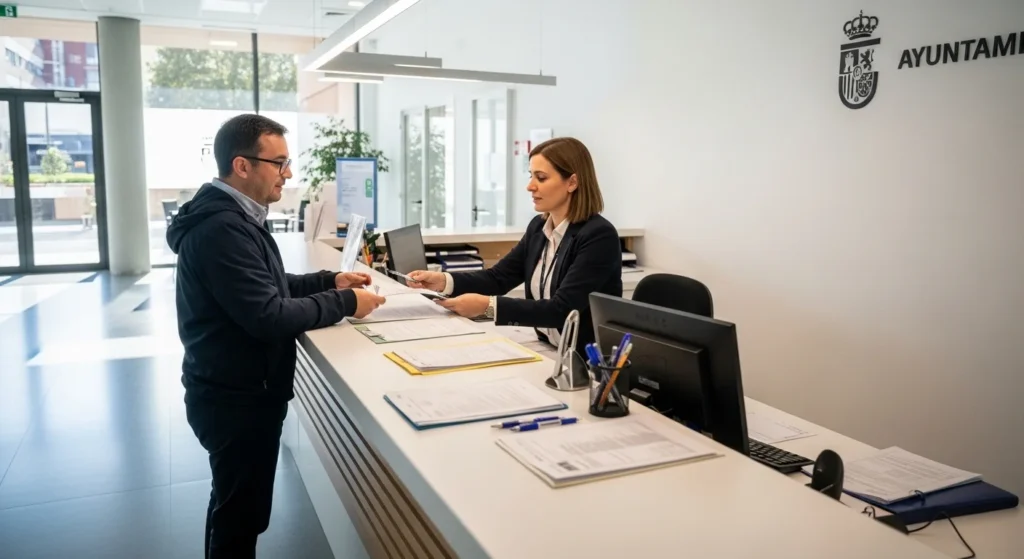

Spain remains one of the most popular destinations for migrants in Europe. People move to Spain for work opportunities, family reunification, study, or a better quality of life. However, applying for legal residency or visas in Spain can be complex. One of the biggest difficulties migrants face is the language barrier in Spanish immigration applications. Most immigration procedures in Spain are conducted in Spanish. Official documents, forms, legal notices, and communication with authorities usually appear only in Spanish. For applicants who do not speak the language well, this can create confusion, mistakes, and delays.
Language problems can affect every step of the immigration process. Applicants may struggle to understand forms, legal requirements, or official instructions. Even small misunderstandings can result in rejected applications. The good news is that language barriers can be managed with the right preparation and support. In this guide, we will explain the common language challenges migrants face during Spanish immigration applications and provide practical solutions to overcome them successfully.
Why Language Matters in Spanish Immigration Applications
Language plays a central role in immigration procedures. Every application involves detailed paperwork, official communication, and legal requirements. In Spain, immigration authorities such as Oficinas de Extranjería and other government institutions use Spanish for most administrative procedures. This creates several challenges for migrants who are not fluent in the language. Understanding Spanish correctly is important because:
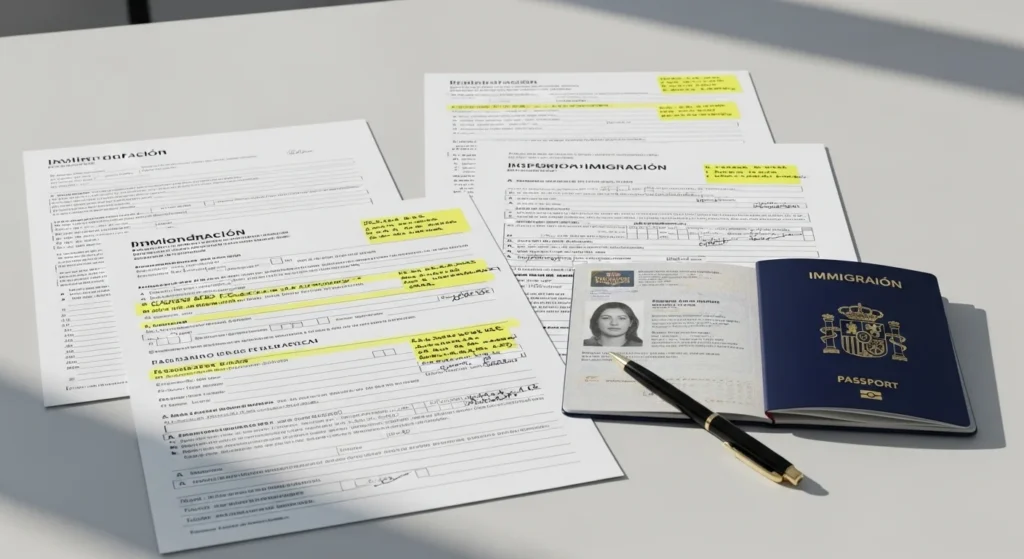
• Immigration forms must be filled out accurately
• Supporting documents must match legal requirements
• Applicants must follow specific instructions
• Communication with authorities must be clear
• Interview questions must be understood properly
If an applicant misunderstands a question or requirement, the application may be incomplete. In some cases, authorities may request additional documents or reject the application entirely. Therefore, managing Spanish immigration language requirements is essential for a smooth immigration process.
Common Language Barriers Migrants Face
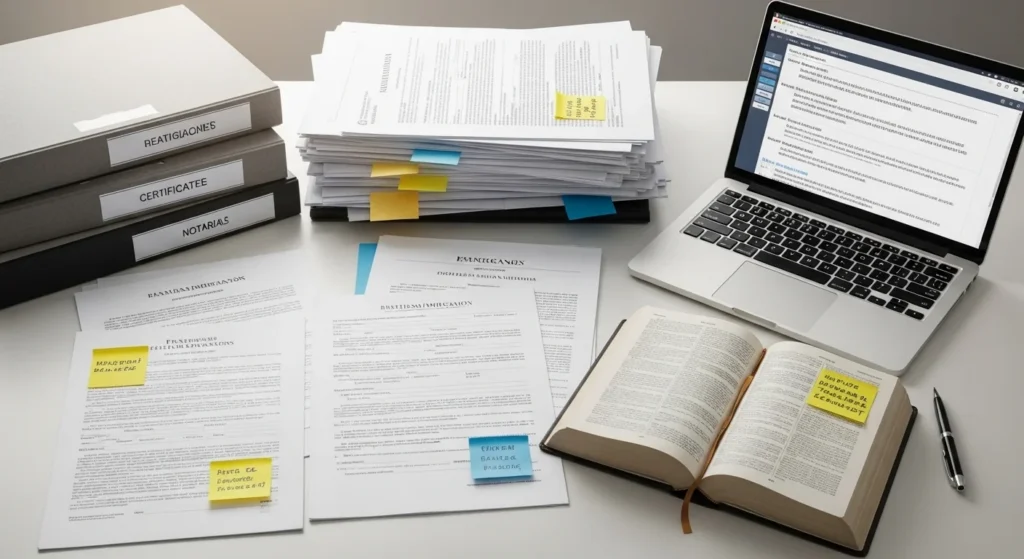
Many migrants face similar language challenges when applying for residency or visas in Spain. Below are the most common issues.
Difficulty Understanding Immigration Forms
Spanish immigration forms contain legal terms and official vocabulary. Even people with basic Spanish skills may find these forms difficult.
For example:
• Technical immigration terms
• Legal wording
• Complex instructions
A small mistake in a form can cause processing delays.
Misinterpreting Legal Requirements
Immigration regulations often include detailed conditions. Applicants must understand eligibility requirements, deadlines, and document formats. If instructions are misunderstood, applicants might submit the wrong documents.
Problems Communicating with Authorities
Communication with immigration offices may involve:
• Email responses
• Appointment instructions
• Official notifications
• Requests for additional documents
If applicants cannot understand these messages, they may miss important deadlines.
Translation Issues with Supporting Documents
Many immigration applications require documents such as:
• Birth certificates
• Marriage certificates
• Criminal records
• Academic certificates
These documents often need official translation into Spanish. Incorrect translation can create inconsistencies in the application.
Language Challenges During Interviews
Some immigration procedures require interviews or in-person appointments. Applicants may feel nervous if they cannot speak Spanish confidently. Misunderstanding questions may affect the outcome.
Spanish Immigration Documents That Require Accurate Language
Several documents require clear and accurate information. Common examples include:
Visa Application Forms: Applicants must complete official visa forms with personal data, employment information, and travel details.
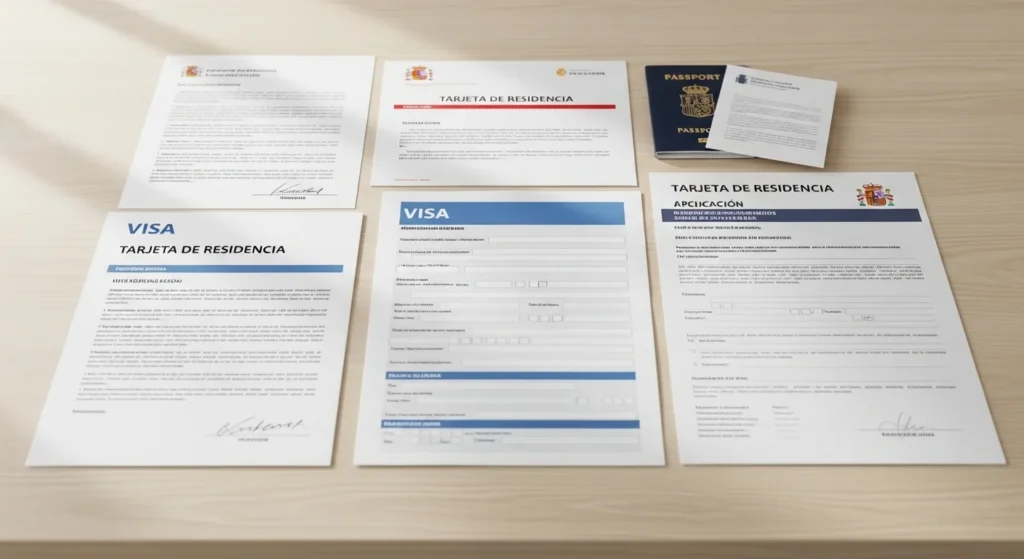
Residency Applications: Applications for residency permits require detailed information about work, family relationships, and housing.
Employment Contracts: For work permits, employment contracts must be written in Spanish and follow legal standards.
Official Declarations: Some procedures require written declarations explaining the applicant’s situation.
Supporting Documents: Translated documents must match the original information exactly.
Accurate language is essential to ensure all documents meet Spanish immigration application requirements.
Problems Caused by Language Misunderstandings
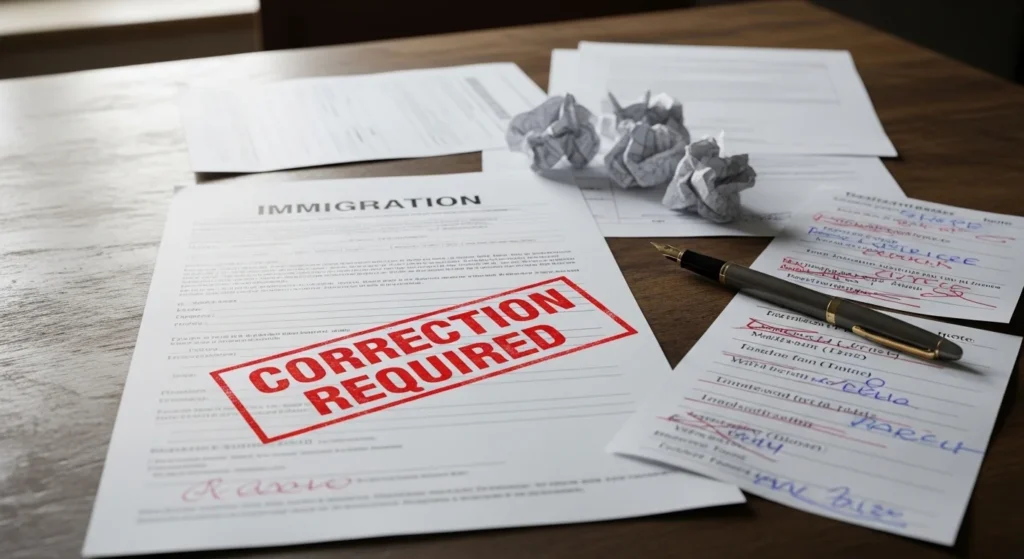
Language barriers can create several problems during the immigration process.
Application Delays: Incorrect forms or missing information may cause authorities to request corrections. This can delay the application by several weeks or months.
Document Rejections: If translated documents contain errors, immigration officials may reject them.Applicants must then resubmit correct translations.
Missed Deadlines: If applicants do not understand official notifications, they may miss deadlines for submitting additional documents.
Application Refusal: Serious misunderstandings can result in application refusal. This may force the applicant to restart the entire immigration process.
Practical Ways to Overcome Language Barriers
Fortunately, there are several effective ways to overcome language barriers in Spanish immigration applications.
Use Professional Translation Services
Official translation services help ensure documents are accurate and accepted by immigration authorities. Professional translators understand:

• Legal terminology
• Immigration vocabulary
• Document formatting rules
This reduces the risk of rejection.
Prepare Documents Carefully
Before submitting an application, applicants should review every document carefully. Check:
• Names spelling
• Dates
• Addresses
• Passport details
Even small errors can cause complications.
Learn Basic Spanish for Immigration Procedures
Learning basic Spanish can make the immigration process easier. Important vocabulary may include:
• Personal information
• Employment details
• Housing terms
• Government departments
Even simple language skills can improve communication.
Seek Professional Immigration Assistance
Immigration experts can guide applicants through complex procedures.
They can help with:
• Application preparation
• Document verification
• Translation coordination
• Communication with authorities
Professional assistance reduces mistakes and improves approval chances.
Use Official Government Resources
The Spanish government provides official information on immigration procedures. Applicants should always rely on trusted sources for instructions. This helps avoid misinformation or outdated rules.
The Role of Professional Immigration Support
Many migrants choose to work with immigration support services. These services assist applicants by simplifying the entire process. Professional immigration assistance may include:
• Application preparation
• Legal advice
• Document translation
• Appointment scheduling
• Communication with authorities
This support is particularly helpful for people who do not speak Spanish fluently. With expert guidance, applicants can avoid common mistakes and improve the success rate of their Spanish residency application process.
Tips to Improve Communication with Spanish Authorities
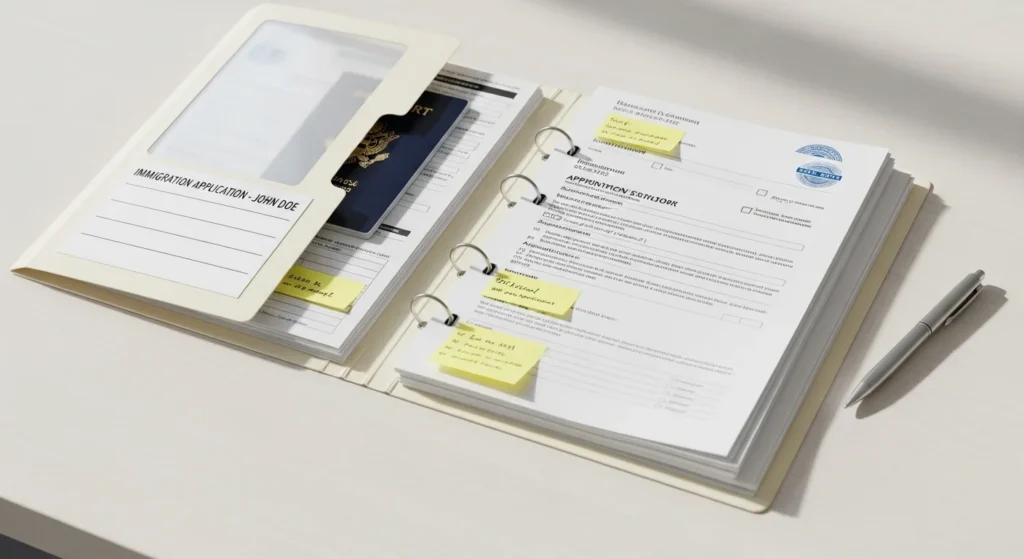
Clear communication can make immigration procedures smoother. Here are practical tips:
Keep Copies of All Documents: Always keep digital and printed copies of submitted documents.
Track Application Updates: Regularly check official notifications and emails.
Attend Appointments Prepared: Bring translated documents and identification.
Ask for Clarification: If something is unclear, request clarification rather than guessing.
Stay Organised: Maintain a folder with all immigration paperwork.
These steps reduce confusion and help manage Spanish visa application language problems effectively.
Future Trends in Immigration Communication in Spain
Spain is gradually improving access to immigration services for international applicants. Several changes are helping reduce language barriers.
Digital Immigration Platforms: Online systems now allow applicants to submit documents digitally.

Multilingual Information:Some government websites provide basic information in multiple languages.
Increased Support Services:More immigration consultancies and legal services now assist migrants.
Despite these improvements, Spanish remains the primary language used in official immigration procedures. Therefore, preparation and language support will continue to be essential.
Final Thoughts
Language barriers are one of the most common challenges migrants face when applying for visas or residency in Spain. Immigration forms, legal documents, and official communication are usually written in Spanish. This can create confusion for applicants who do not speak the language fluently. However, these challenges can be managed successfully. With proper preparation, professional translation, and immigration support, applicants can avoid many common mistakes. Understanding the language barriers in Spanish immigration applications is the first step towards overcoming them. By staying organised, verifying documents carefully, and seeking expert guidance when needed, migrants can improve their chances of a smooth and successful immigration process in Spain.
FAQs
Why are language barriers common in Spanish immigration applications?
Most immigration procedures in Spain are conducted in Spanish. Many applicants are not fluent in the language, which makes forms and legal instructions difficult to understand.
Do immigration documents need to be translated into Spanish?
Yes. Many documents such as birth certificates, marriage certificates, and criminal records must be translated into Spanish by authorised translators.
Can language mistakes affect immigration applications?
Yes. Incorrect forms or translation errors can cause delays, document rejection, or even application refusal.
How can migrants overcome Spanish immigration language problems?
Applicants can use professional translators, seek immigration assistance, learn basic Spanish vocabulary, and carefully review all documents before submission.
Is professional immigration support helpful?
Yes. Immigration professionals help applicants understand requirements, prepare documents correctly, and communicate with authorities effectively.