For many migrants in Spain, one of the biggest challenges in the legalisation process is proving long-term residence. While tenancy contracts are commonly used as proof, not everyone has access to formal rental agreements. This is where understanding evidence of continuous stay in Spain becomes essential.
Whether you are applying for arraigo social or another residency pathway, demonstrating uninterrupted presence in the country is a critical requirement. Fortunately, Spanish immigration authorities accept a variety of alternative documents that can support your case.
In this guide, we will explore how to build strong evidence of continuous stay in Spain without relying on a formal tenancy contract, using practical and legally recognised methods.
Why Is Evidence of Continuous Stay in Spain Important?
To qualify for most residency pathways, particularly arraigo social, applicants must prove they have lived in Spain continuously for at least three years. The purpose of this requirement is to demonstrate:
- Integration into Spanish society
- Physical presence in the country
- Stability and commitment
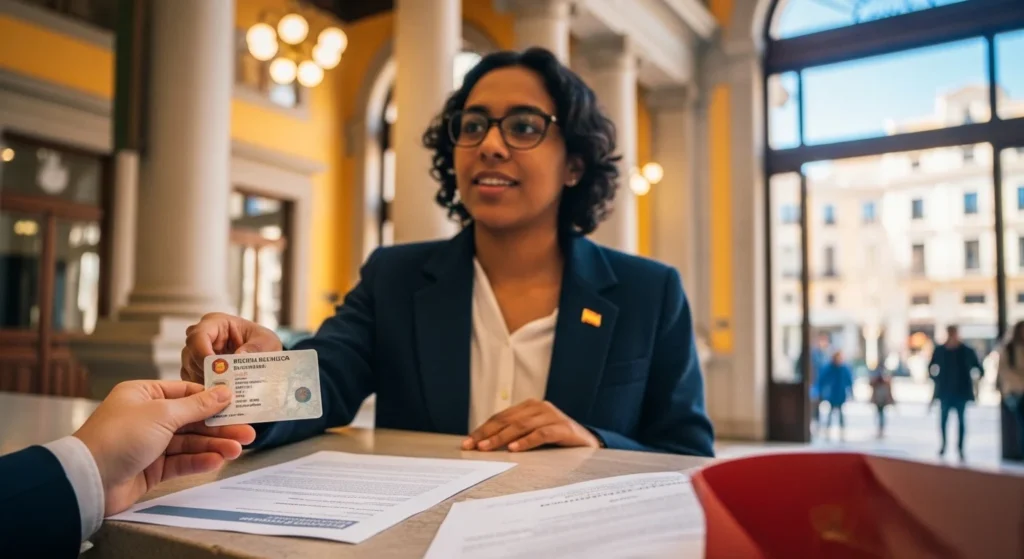
Without proper evidence of continuous stay in Spain, even strong applications can be rejected. This makes documentation one of the most critical aspects of the Spain immigration documentation process.
Can You Prove Residency Without a Tenancy Contract?
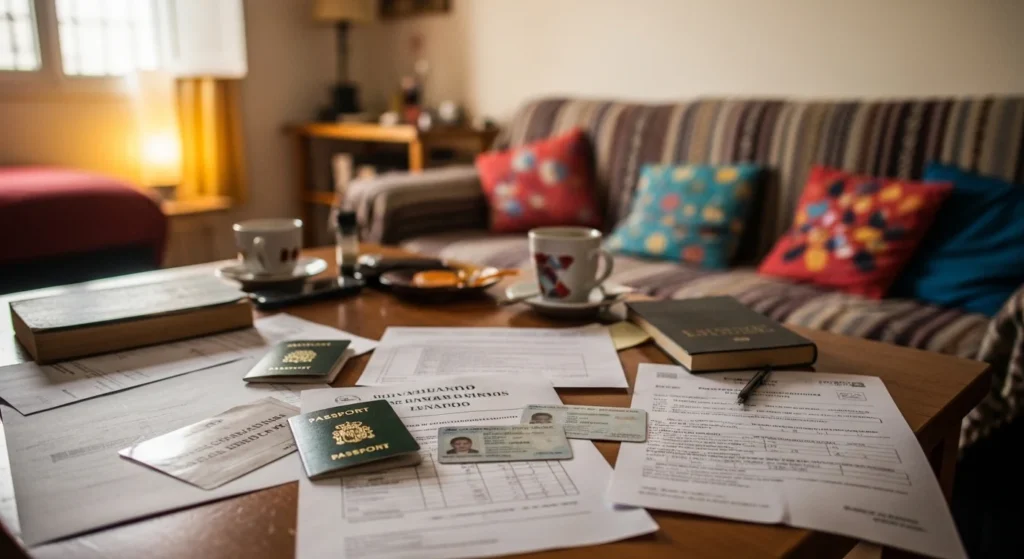
Yes, and this is more common than many people think. Thousands of migrants live in shared housing, informal arrangements, or with family members where no official lease exists. Spanish authorities recognise this reality and allow alternative forms of residency proof Spain documents. However, the key is consistency and credibility. You must show a clear timeline that proves your uninterrupted stay.
Accepted Documents to Prove Continuous Residence
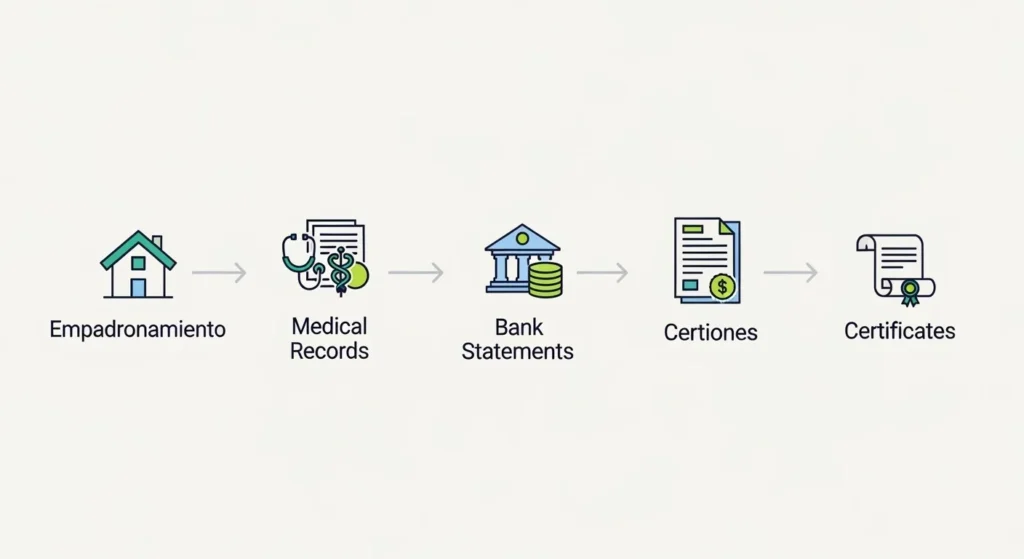
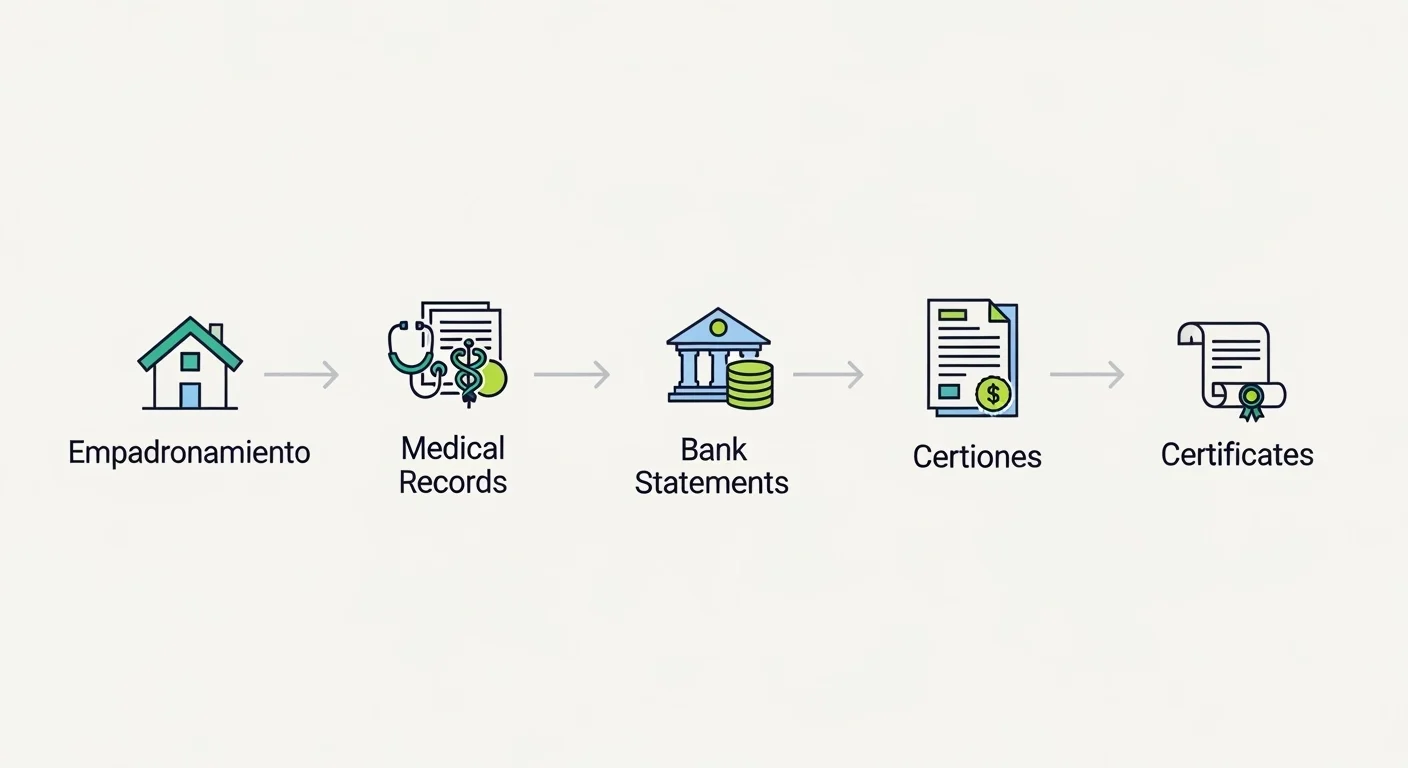
Empadronamiento (Local Registration)
The most important document is empadronamiento, which registers your address with the local municipality. Even without a tenancy contract, you may still obtain empadronamiento without lease Spain by:
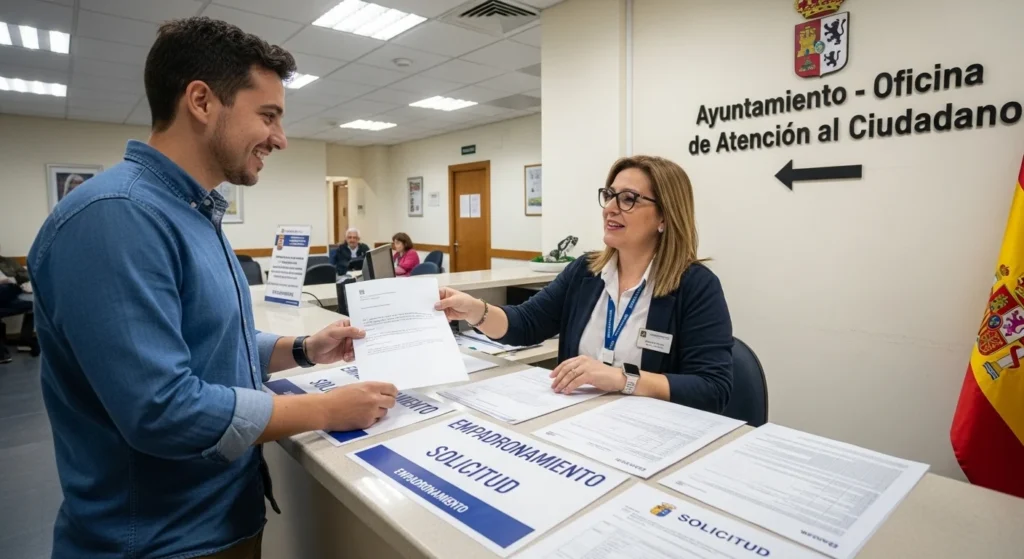
- Providing a letter from the property owner
- Submitting a utility bill in someone else’s name
- Using a social services registration
This is one of the strongest forms of evidence of continuous stay in Spain.
Medical Records
Healthcare records are highly reliable proof of presence.
Examples include:
- Doctor appointments
- Hospital visits
- Prescription records
These documents show that you were physically present in Spain during specific periods.
Bank Statements and Financial Activity
Regular financial activity can help establish your timeline.
Accepted records include:
- Bank statements
- Money transfers
- Payment receipts
Consistent transactions over time strengthen your case for continuous residence Spain immigration purposes.
Employment and Work Records
Even informal work can contribute to your application.
Useful documents include:
- Payslips
- Employer letters
- Work-related communications
These can support claims when trying to prove residency in Spain without contract.
Educational Certificates and Course Enrolments
If you have attended any courses or training programmes, these records can be valuable.
They demonstrate:
- Presence in Spain
- Efforts toward integration
Official Correspondence
Letters from government bodies or institutions are strong evidence.
Examples include:
- Municipal notices
- NGO communications
- Legal or administrative letters
These help reinforce your evidence of continuous stay in Spain.
Building a Strong Residency Timeline
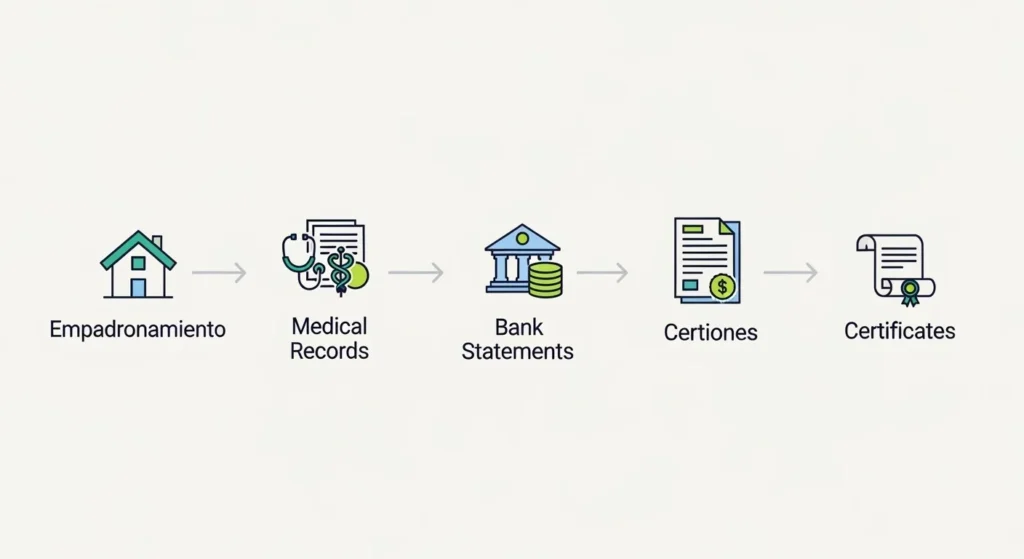
Providing documents is not enough, you must organise them effectively. A successful application should include:
- Chronological order of documents
- No large gaps in time
- Consistent address or location records
The goal is to create a clear narrative that proves your continuous residence in Spain.
Common Mistakes to Avoid
Many applicants fail due to avoidable errors, such as:
- Large gaps in documentation
- Inconsistent addresses
- Submitting unreliable or unverifiable documents

When building your evidence of continuous stay in Spain, consistency is more important than quantity.
Legal Considerations

Spanish immigration law allows flexibility, but authorities still apply strict evaluation standards.
Important points:
- Documents must be authentic and verifiable
- Translations may be required for foreign documents
- False information can lead to rejection or legal consequences
Understanding the legal framework behind arraigo social requirements in Spain is essential for success.
Practical Tips to Strengthen Your Application
To improve your chances:
- Register for empadronamiento as early as possible
- Keep copies of all documents
- Maintain consistent records over time
- Seek help from professionals or NGOs
- Avoid long undocumented periods
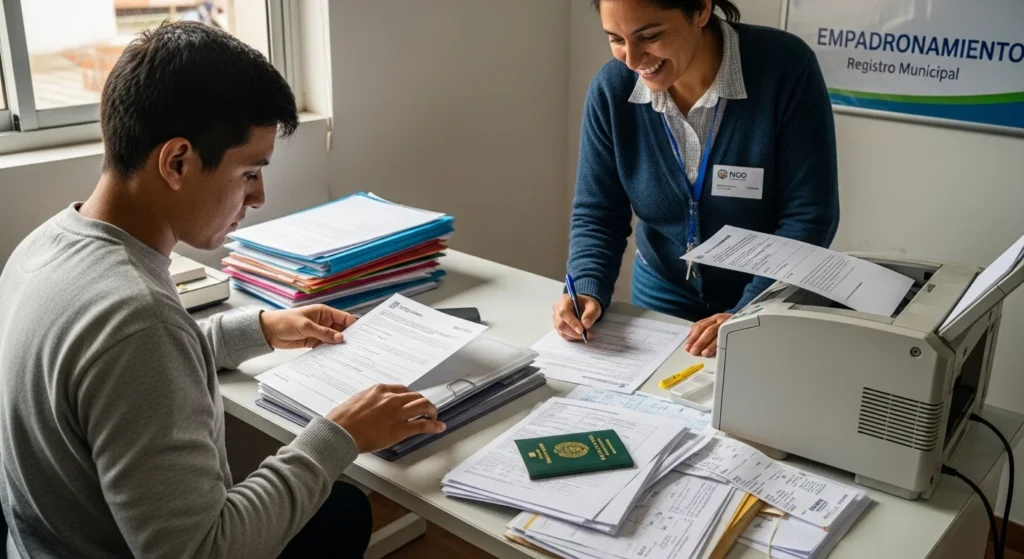
A well-prepared application with strong evidence of continuous stay in Spain can significantly increase approval chances.
Challenges Faced by Migrants

Despite available options, many migrants struggle with:
- Lack of awareness about acceptable documents
- Fear of interacting with authorities
- Difficulty obtaining official records
These challenges highlight the importance of understanding how to prove residency Spain without contract effectively.
Final Thoughts
Providing evidence of continuous stay in Spain is one of the most crucial steps in securing legal residency. While the absence of a tenancy contract can seem like a major obstacle, it is far from impossible to overcome.
By gathering alternative documentation, maintaining consistency, and understanding legal requirements, migrants can successfully demonstrate their presence in Spain. Ultimately, the key lies in preparation, organisation, and a clear strategy.
Strong documentation not only improves approval chances but also builds a solid foundation for long-term stability within Spain’s immigration system.
FAQs
How many documents do I need to prove continuous stay?
There is no fixed number, but you should aim to cover the entire residency period without major gaps.
Can gaps in documentation lead to rejection?
Yes, significant gaps may raise doubts about your continuous residence and weaken your application.
Are digital documents accepted?
Yes, as long as they are official, verifiable, and clearly dated.
Can NGO support help in proving residency?
Yes, certificates or letters from recognised organisations can strengthen your case.
What should I do if I have very limited documentation?
You should start collecting records immediately and seek professional legal advice to build a stronger case over time.