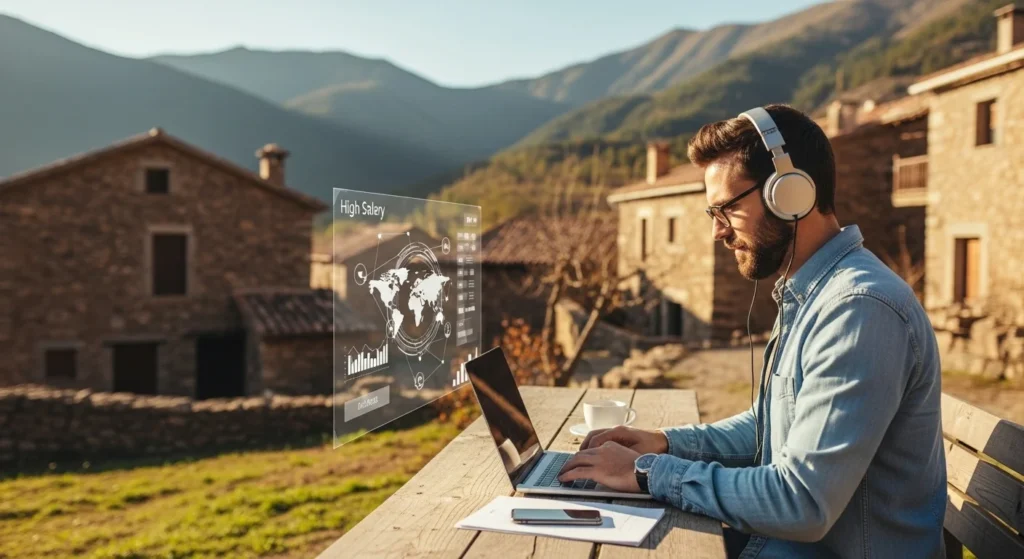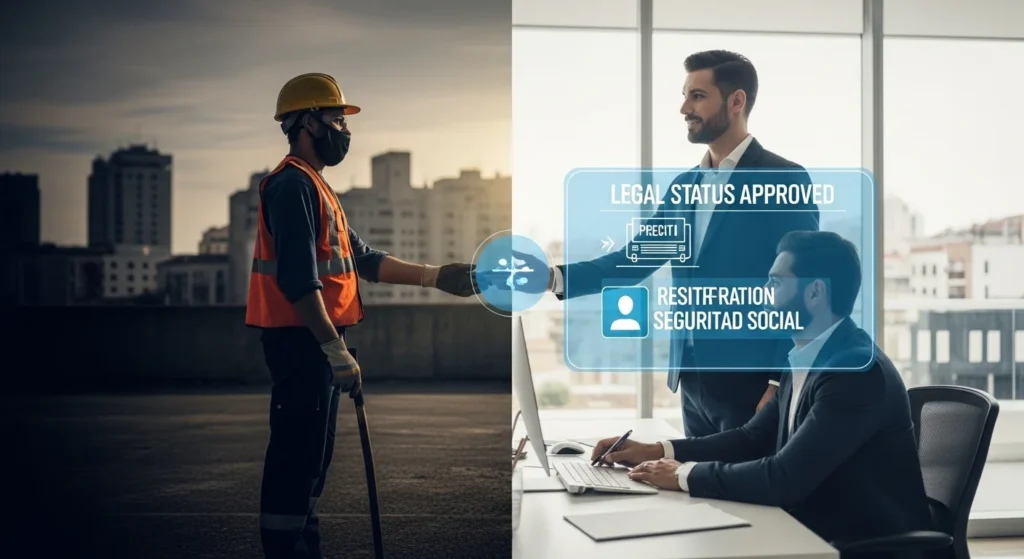

Living and working in Spain can be a rewarding experience for Asian workers, but cultural differences can sometimes lead to misunderstandings or discomfort. Understanding Spanish customs, workplace behaviour, and social norms will help you adapt quickly and enjoy your experience. In this guide, we explore practical cultural tips for living in Spain as an Asian professional.
Understanding Spanish Culture
Social Etiquette and Greetings
Spaniards value friendliness, warmth, and politeness in social interactions. In professional settings, a handshake is standard, while a cheek kiss (usually on both cheeks) is common among friends or acquaintances. Always use formal titles like Señor or Señora when meeting someone for the first time to show respect.
Daily Lifestyle and Punctuality
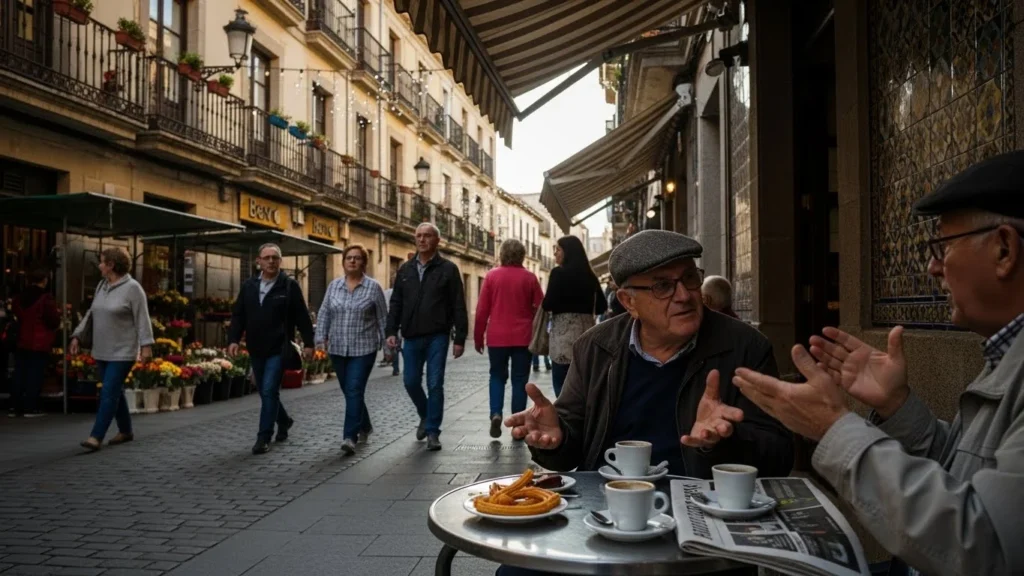
Spain has a relaxed social approach to time, with late dinners, long lunch breaks, and regional siestas being common. However, punctuality is expected in professional environments. Understanding this balance helps you adapt smoothly to both social and work life.
Communication Style and Body Language
Spaniards are expressive, often using gestures and hand movements while speaking. Maintain eye contact, smile, and engage actively without being overly reserved. They appreciate directness in conversation but always delivered politely and respectfully.
Workplace Culture in Spain

Hierarchy and Decision-Making
Spanish workplaces typically respect hierarchy, meaning senior staff or managers often have the final say in decisions. However, collaboration is common, and team members are encouraged to share ideas and suggestions. Understanding the company’s structure and decision-making process helps you communicate effectively and build strong professional relationships.
Professional Etiquette and Dress Code
Professional behavior and appearance are important in Spain. Employees are expected to dress smartly and follow the company’s dress code. While some offices allow casual attire on certain days, conservative clothing is generally expected for meetings, presentations, or interactions with clients. Good etiquette, politeness, and respectful communication are also highly valued.
Work-Life Balance and Breaks
Spaniards prioritise personal time, family, and relaxation, and this is reflected in their work culture. Many workplaces observe longer lunch breaks, sometimes including a siesta in certain regions, and shorter working hours compared to other countries. Respecting this balance and adapting to local customs helps you integrate better with colleagues and fosters a positive work environment.
Adapting to Local Customs
Festivals and Public Holidays
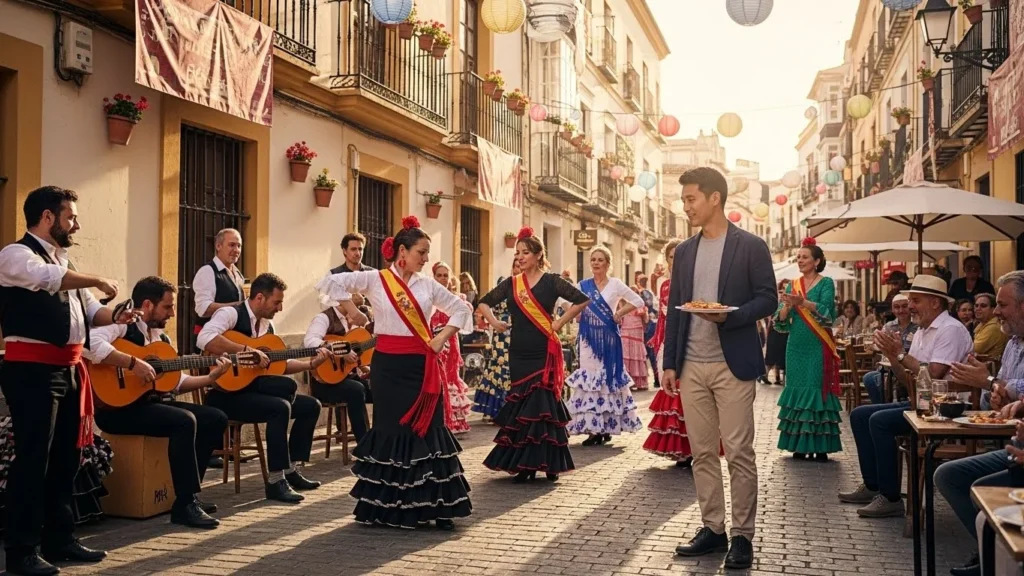
Spain is known for its vibrant festivals, such as La Tomatina, Semana Santa, and regional fiestas. These events are deeply rooted in local traditions and culture. Participating respectfully, observing local customs, and following event rules allows you to connect with the community and enjoy the cultural experience safely.
Dining Etiquette and Social Gatherings
In Spain, meals are not just for eating, they are social events. When dining with locals, always wait to be seated, try traditional dishes, and take your time rather than rushing. Toasting with “¡Salud!” During drinks is a common social gesture. Engaging politely in conversation and following local table manners will help you integrate smoothly.
Transportation and Public Behaviour
Public transport is widely used, and behaving courteously is expected. Always respect queues, offer your seat to those in need, and avoid loud conversations or phone calls. Observing these simple rules demonstrates respect for local norms and ensures a more comfortable experience for everyone
Building Connections and Community

Networking with Colleagues
Building professional relationships in Spain goes beyond just working together. Attend office events, coffee breaks, or after-work gatherings to connect with coworkers. A friendly and approachable attitude helps you integrate into the team and creates a positive work environment.
Joining Expat Communities
Connecting with other Asian or international expats can be very helpful when living in Spain. Expat communities, both online and offline, provide support, advice, and social opportunities. They help you navigate cultural challenges and make your stay more comfortable and enjoyable.
Learning Spanish Language Basics
Even learning a few basic Spanish phrases can make daily life easier and show respect for the local culture. Using language apps, online courses, or local classes can improve communication skills, enhance workplace integration, and help you form friendships with locals.
Challenges Asian Workers Might Face
Language Barriers
Not speaking Spanish fluently can be challenging in professional and social settings. Learning key phrases and using translation tools helps bridge the gap.
Cultural Misunderstandings
Different social norms may cause minor misunderstandings. Observing locals and asking questions respectfully can prevent discomfort.

Adapting to Local Work Styles
The Spanish approach to teamwork, hierarchy, and timing may differ from your home country. Stay flexible and patient to integrate smoothly.
Tips for a Smooth Transition

Be Observant and Open-Minded
Watch how locals behave and interact, and adapt without losing your own cultural identity.
Seek Local Guidance
Ask colleagues, neighbours, or expat communities for advice to understand customs and navigate daily life.
Balance Your Own Culture with Spanish Norms
Embrace Spanish culture while maintaining your personal traditions. This balance creates a positive experience for both work and social life.
Conclusion
Living in Spain as an Asian worker can be exciting and fulfilling when you understand the local culture and workplace norms. By observing social etiquette, learning Spanish basics, and connecting with both locals and expats, you can make your transition smoother.
Need guidance for working and living in Spain? Contact us for professional advice and relocation support.
FAQs
Is it difficult for Asian workers to adapt to Spain?
With the right preparation, guidance, and openness, adaptation is smooth and rewarding.
How important is learning Spanish for daily life and work?
Even basic Spanish skills improve communication, work performance, and social integration.
What are common cultural mistakes to avoid?
Avoid assuming locals follow the same routines, being overly reserved, or ignoring social etiquette.
How can expat communities help Asian workers?
They provide practical advice, social support, and networking opportunities for a better experience.