
As labour mobility continues to rise across Europe, understanding cross-border social security transfers between Portugal and Spain has become increasingly important for workers, employers, and expatriates. Many individuals now live in one country while working in another, making it essential to understand how contributions, benefits, and entitlements are managed across borders.
Both Portugal and Spain are members of the European Union, meaning their social security systems are coordinated under EU regulations. However, coordination does not mean uniformity. Each country maintains its own system, rules, and contribution requirements. This article provides a comprehensive explanation of how cross-border transfers work, ensuring that individuals can protect their rights and maximise their benefits.
Understanding Cross-Border Social Security Between Portugal and Spain
The concept of cross-border social security is governed by EU coordination rules designed to ensure that individuals moving within the EU do not lose their social security rights. These rules simplify the process of managing social security contributions, pension rights, and other benefits across different member states.
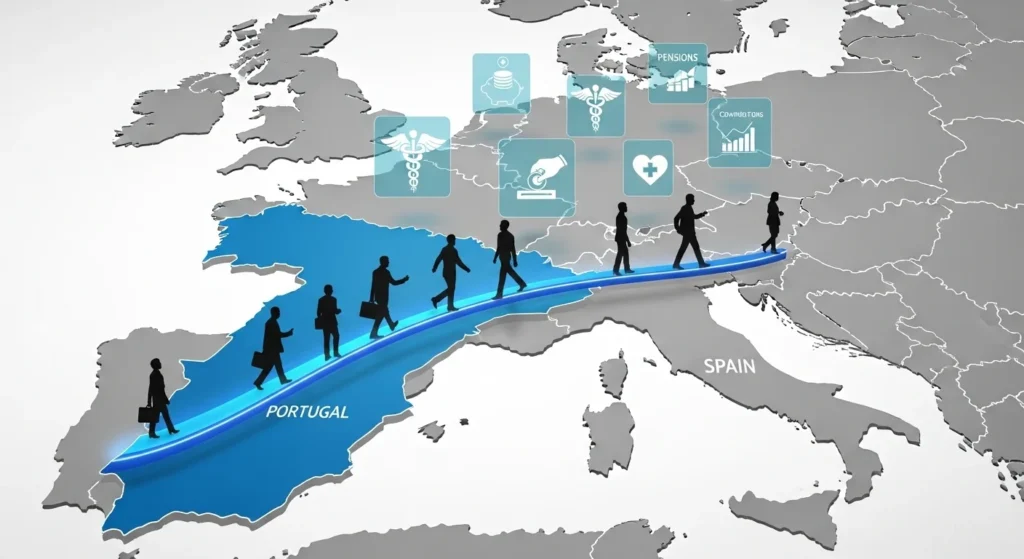
The primary objective is to ensure fairness and continuity. For example, if a worker spends part of their career in Portugal and another part in Spain, both periods of contribution are recognised when calculating benefits. This avoids duplication or loss of entitlements.
How Social Security Systems Work in Portugal and Spain
Although both countries operate within the EU framework, their systems differ in structure and administration. In Portugal, the social security system is managed by Segurança Social, which covers pensions, unemployment benefits, and healthcare contributions. Contributions are typically shared between employers and employees, calculated as a percentage of earnings.
Spain’s system, managed by the Seguridad Social, operates similarly but has different contribution rates and benefit calculations. Spanish contributions are generally higher, and benefits such as pensions are calculated based on longer contribution periods. Understanding these differences is essential when navigating cross-border employment and planning long-term financial security.
Cross-Border Social Security Transfers Explained

Totalisation of Contributions
One of the most important principles is the totalisation of contributions. This means that periods worked in Portugal and Spain are combined to determine eligibility for benefits such as pensions.
For example, if an individual has worked 10 years in Portugal and 15 years in Spain, both periods are added together when assessing eligibility. This ensures that workers do not lose access to benefits due to fragmented careers.
Export of Benefits
Another key aspect is the ability to export benefits. Individuals can receive pensions or other benefits even if they reside in a different EU country. For instance, a worker who contributed in Spain but retires in Portugal can still receive their Spanish pension. This flexibility is a major advantage of the EU’s coordinated system and supports labour mobility across borders.
Applicable Legislation Rules
EU regulations ensure that individuals are subject to the social security system of only one country at a time. Typically, this is the country where the individual works.
However, there are exceptions, such as posted workers or individuals working in multiple countries. In such cases, specific rules determine which country’s legislation applies, ensuring clarity and avoiding double contributions.
Key Benefits for Workers and Employers
The coordination of social security systems offers several advantages:
- Protection of pension rights across borders
- Avoidance of double contributions
- Access to healthcare and social benefits
- Increased flexibility for cross-border employment
For employers, it simplifies the process of hiring international talent and managing international workforce compliance.
Legal Framework and EU Regulations
The legal foundation for cross-border social security coordination is primarily based on:
- Regulation (EC) No 883/2004
- Regulation (EC) No 987/2009
These regulations establish the rules for determining applicable legislation, calculating benefits, and ensuring cooperation between national authorities.

They are designed to protect workers’ rights while promoting free movement within the EU.
Challenges and Practical Considerations
Despite the benefits, navigating cross-border systems can be complex. Common challenges include:
- Administrative delays
- Language barriers
- Differences in documentation requirements
- Understanding eligibility criteria
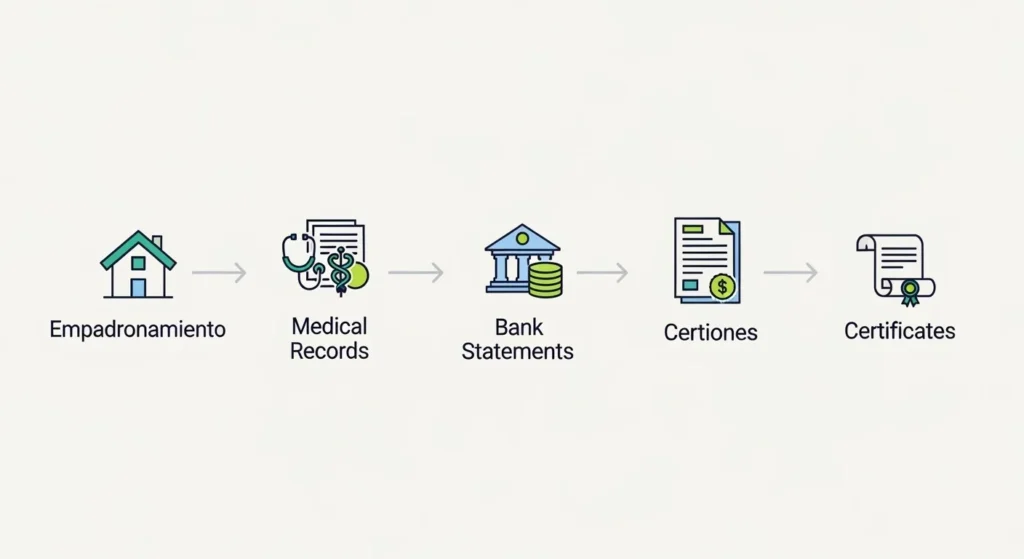
Individuals are advised to keep detailed records of their employment history and contributions to avoid complications when claiming benefits.
How to Claim Benefits Across Borders

Claiming social security benefits across Portugal and Spain involves coordination between national authorities.
Typically, individuals should apply through the social security institution in their country of residence. The relevant authorities will then communicate with their counterparts to process the claim.
Key steps include:
- Submitting proof of employment history
- Providing identification and residency documents
- Completing required application forms
Seeking professional guidance can help streamline the process and ensure compliance with cross-border regulations.
Final Thoughts
Understanding cross-border social security transfers between Portugal and Spain is essential for anyone working or living across these two countries. With proper knowledge of EU regulations, contribution rules, and benefit entitlements, individuals can safeguard their financial future and make informed decisions.
As cross-border mobility continues to grow, staying informed about social security coordination, pension transfers, and international employment laws will remain crucial. By planning ahead and maintaining accurate records, workers can fully benefit from the protections offered by the EU system.
FAQs
Can I receive pensions from both Portugal and Spain?
Yes, if you have contributed in both countries, each will pay a portion of your pension based on your contributions.
What happens if I work in both countries at the same time?
Specific EU rules determine which country’s social security system applies, usually based on your primary place of work.
Are healthcare benefits transferable across borders?
Yes, under EU coordination rules, you can access healthcare services in your country of residence, depending on your contribution status.
Do I need to transfer my contributions manually?
No, the process is handled by social security authorities through coordination mechanisms.
Is professional advice necessary for cross-border claims?
While not mandatory, consulting experts can help avoid errors and ensure a smooth claims process.