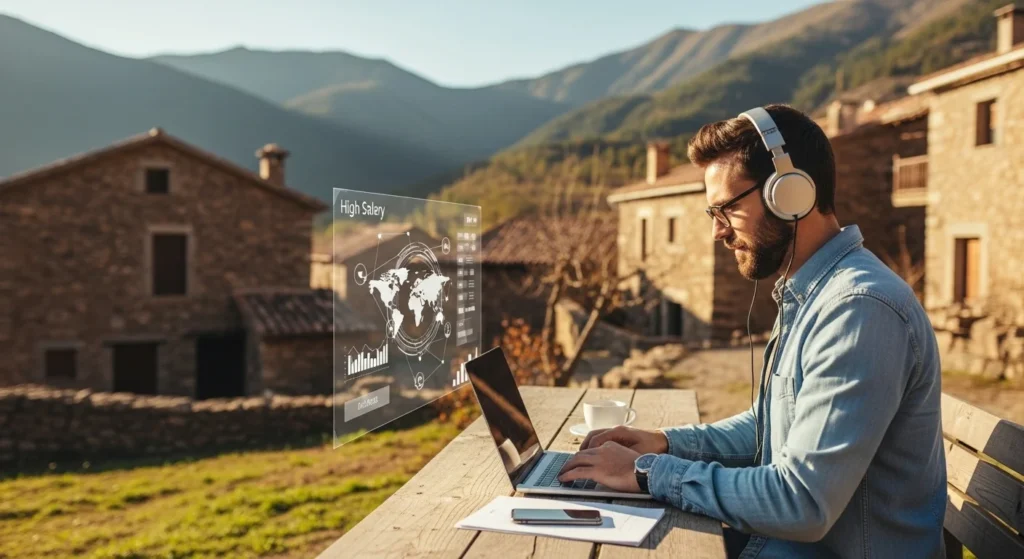

Are you finding it challenging to keep your remote team productive, connected, and aligned across different locations? With remote work now a standard across industries, many teams face issues like miscommunication, missed deadlines, and disorganised workflows. The good news is that effective remote collaboration practices can solve these problems, ensuring clarity, smooth communication, and seamless project execution. In this article, you’ll discover how to build strong remote collaboration strategies from choosing the right communication tools and structured workflows to fostering team culture and tracking performance.
Introduction to Remote Collaboration
Remote Collaboration Defined
Remote collaboration is the process of working together from different locations using digital tools, communication platforms, and structured workflows to achieve shared goals efficiently.
Why Remote Teamwork Matters Today?
As remote work becomes increasingly common, teams need to stay connected, aligned, and productive across cities or even countries. Effective collaboration reduces miscommunication, boosts efficiency, and ensures that projects are completed on time and to a high standard.

Essential Communication Practices

Clear and Consistent Communication
Effective remote collaboration begins with clarity. Teams should share information concisely, avoid assumptions, and provide precise instructions. This reduces confusion and ensures tasks are completed efficiently.
Choosing the Right Communication Channels
Not every message requires the same platform. Use video calls for in-depth discussions, chat platforms for quick questions or updates, and email for formal communications or detailed instructions.
Setting Communication Norms
Establish guidelines for response times, meeting etiquette, and status updates. Clear norms help teams stay aligned, prevent misunderstandings, and maintain smooth workflow across different locations.
Remote Collaboration Tools and Technologies
Video Conferencing Platforms
Use reliable video tools like Zoom, Microsoft Teams, or Google Meet for face-to-face meetings, brainstorming sessions, and team discussions. These platforms help maintain personal connections and improve communication clarity.
Instant Messaging and Chat Tools
Platforms such as Slack or Microsoft Teams Chat allow teams to communicate instantly, share quick updates, and collaborate in real time without disrupting workflow.

Project Management and Workflow Tools
Tools like Asana, Trello, or Jira help teams track tasks, assign responsibilities, and monitor project progress efficiently, ensuring everyone stays on the same page.
File Sharing and Document Collaboration
Cloud-based solutions like Google Drive, Dropbox, or Notion enable real-time document collaboration, version control, and secure file sharing, allowing teams to work together seamlessly from any location.
Structuring Workflows for Remote Teams

Setting Clear Goals and Expectations
Start by defining project goals, assigning responsibilities, and establishing deadlines. Clear expectations from the beginning ensure all team members are aligned and focused on the desired outcomes.
Using Shared Calendars and Scheduling Tools
Shared calendars like Google Calendar or Outlook help coordinate meetings, avoid schedule conflicts, and keep everyone on the same timeline, essential for remote teams spread across different locations.
Adopting Agile Planning and Daily Check‑Ins
Implement short, regular check-ins or standup meetings to provide updates, identify blockers, and maintain team momentum. Agile planning allows your team to adapt quickly to changes and stay productive.
Building a Strong Remote Team Culture
Encouraging Social Interaction and Team Bonding
Remote work can feel isolating without opportunities for casual interactions. Organize virtual coffee breaks, team challenges, or informal chat sessions to humanize relationships. These activities help build camaraderie, strengthen trust, and make team members feel more connected despite physical distance.
Promoting Trust and Accountability
A strong remote culture relies on trust. Give team members autonomy to manage their own work while holding them accountable for outcomes. Trust fosters responsibility, increases motivation, and boosts overall productivity, creating a more resilient and self-driven team.

Recognizing Achievements and Milestones
Celebrating wins, whether large project completions or small accomplishments, helps maintain morale and motivation. Recognition can include shout-outs in meetings, virtual awards, or team-wide announcements. A culture of appreciation encourages commitment and engagement.
Tracking Productivity and Performance

Defining Key Performance Indicators (KPIs)
To ensure efficiency, define clear KPIs such as project delivery times, task completion rates, client satisfaction scores, and quality standards. These measurable metrics allow managers to assess team performance objectively and identify areas for improvement.
Using Dashboards and Analytics
Utilize dashboards and analytics tools to visualize trends in productivity, task completion, and collaboration patterns. These insights help leaders make informed decisions, allocate resources effectively, and optimize workflow processes.
Regular Performance Reviews and Feedback Loops
Conduct scheduled performance reviews and provide constructive feedback to support team growth. Continuous feedback loops encourage improvement, highlight achievements, and ensure alignment with organizational goals.
Challenges in Remote Collaboration & How to Overcome Them
Time Zone Differences
Teams spread across multiple time zones may struggle with scheduling. Use overlapping work hours, shared calendars, and flexible meeting times to keep everyone connected and reduce delays in collaboration.
Communication Gaps
Remote teams often face miscommunication or missed messages. Encourage over-communication, confirm understanding, and use clear instructions to avoid assumptions and errors.

Tech Issues and Connectivity
Connectivity problems or incompatible tools can disrupt workflows. Establish backup connectivity plans, provide access to essential software, and offer IT support to minimize downtime and ensure smooth operations.
Conclusion
Remote collaboration is no longer optional, it’s a core part of modern work life. By adopting the best practices outlined above, teams can work more effectively, remain aligned, and achieve exceptional results regardless of location.
Ready to improve your remote collaboration and team productivity?
Contact LeedTech Services today and let our expert solutions help your business thrive in the remote world.
FAQs
What is remote collaboration?
Remote collaboration is the process of working together from different locations using digital tools, communication platforms, and structured workflows.
Which tools are essential for remote collaboration?
Key tools include video conferencing (Zoom), chat platforms (Slack), project management (Asana), and cloud storage (Google Drive).
How do you maintain productivity in remote teams?
Set clear goals, use shared calendars, hold daily check‑ins, and monitor performance with KPIs and dashboards.
How can teams build a strong remote culture?
Encourage social interaction, build trust, celebrate achievements, and promote open communication.
How do you handle time zone differences in remote teams?
Use overlapping working hours, shared schedules, and asynchronous communication for flexibility.