

Spain is quickly becoming one of Europe’s most exciting destinations for tech professionals, and cyber security is right at the heart of this growth. Whether you are a seasoned security analyst, a certified ethical hacker, or someone just stepping into the field with strong certifications, Spain has real and growing opportunities waiting for you.
In this guide, we break down everything you need to know, from the most in-demand roles and salary ranges to visa options, top cities, and tips on how to stand out in the Spanish job market. This is your clear, honest, and up-to-date resource for building career with cyber security jobs in Spain as an international professional.
Why Spain? The Growing Cyber security Jobs in Spain
Spain’s digital transformation is creating a serious shortage of cybersecurity talent — and companies are looking globally to fill the gap.
- The EU’s NIS2 Directive is pushing Spanish firms to hire more security professionals
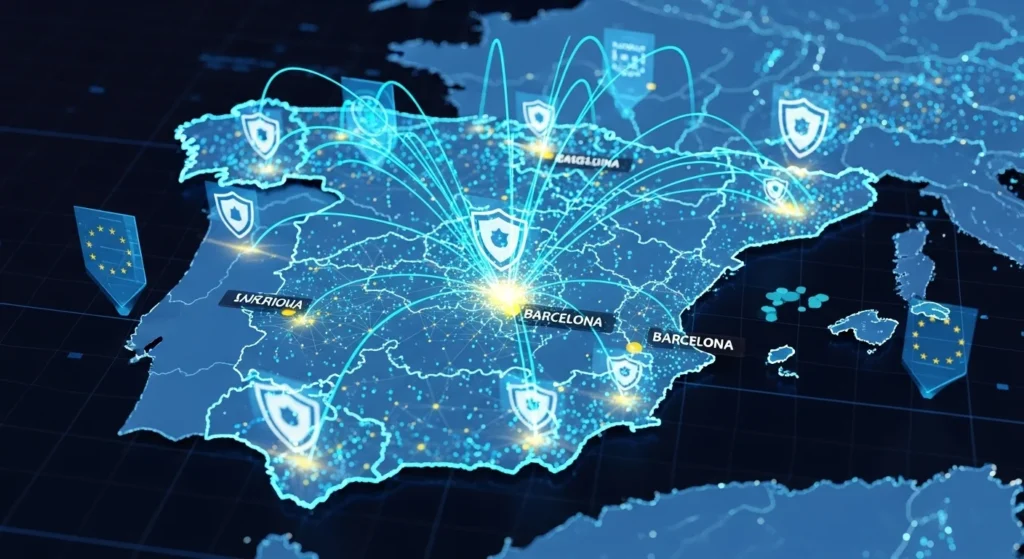
- Banking, healthcare, and energy sectors face growing cyber threats daily
- Madrid and Barcelona multinationals are rapidly expanding their tech teams
- Roles like Security Analyst and Ethical Hacker are among the hardest to fill locally
- Spanish companies are actively hiring international talent to close the skills gap
Top Cyber security Roles in Spain for International Professionals
The Spanish job market is looking for cybersecurity talent across several areas. Here are the most in-demand roles right now:
1. Security Operations Center (SOC) Analyst
SOC analysts are the first line of defence for organisations. They monitor networks, detect threats, and respond to incidents in real time. This is one of the most consistently posted roles in Spain, especially in Madrid and Barcelona. English-speaking professionals are actively welcomed in international team environments.
2. Penetration Tester / Ethical Hacker
Companies and government agencies in Spain regularly hire ethical hackers to test their systems before real attackers do. If you hold certifications like CEH (Certified Ethical Hacker) or OSCP, you will be in high demand. Roles in this space are available both on-site and remotely.
3. Cybersecurity Engineer
This is a more technical role focused on building and maintaining secure systems. Engineers in this space work with firewalls, cloud security tools, and network architecture. The average salary for a Cybersecurity Engineer in Spain is around €73,200 per year, making it one of the better-paid roles in the tech sector.
4. Cloud Security Architect
As Spanish businesses move their operations to cloud platforms like AWS, Azure, and Google Cloud, professionals who understand cloud security are in high demand. This role typically requires both cloud platform knowledge and security expertise, a combination that commands a premium salary.
5. Information Security Manager (InfoSec Manager)
This is a senior role focused on strategy, policy, and compliance. Companies looking to align with NIS2 and GDPR standards are hiring experienced InfoSec managers who can lead a team and build a security culture from the inside out.
6. Digital Forensics Analyst
With cybercrime on the rise, both private firms and law enforcement agencies in Spain need professionals who can investigate incidents, recover data, and support legal proceedings. This is a niche but growing area.
Salary Ranges: What Can You Expect to Earn?
Spain offers four main visa routes for international talent. Here is a realistic salary breakdown for cyber security roles:
| Entry Level €30–38K 0–2 yrs exp | Mid Level€50–75K 3–7 yrs exp | Senior / Specialist €75–90K+7+ yrs exp | CISSP Boost+22%Certified |
Keep in mind that Spain is approximately 20–30% more affordable than countries like Germany, the UK, or the Netherlands when it comes to daily living costs, so your salary goes further.
Certifications That Spanish Employers Look For
| Certification | Level | Best For | Demand |
| CISSP Certified Information Systems Security Professional | Senior | Management & architecture roles | ⭐⭐⭐⭐⭐ |
| CEH Certified Ethical Hacker | Mid-level | Penetration testing & offensive security | ⭐⭐⭐⭐⭐ |
| CISM Certified Information Security Manager | Management | Governance, risk & compliance | ⭐⭐⭐⭐ |
| Comp TIA Security+ | Entry-level | Starting a cyber security career | ⭐⭐⭐⭐ |
| CCSP Certified Cloud Security Professional | Cloud | Cloud security & architecture | ⭐⭐⭐⭐⭐ |
| AWS / Azure Security AWS Security Speciality · Azure Security Engineer | Cloud | Platform-specific cloud security roles | ⭐⭐⭐⭐⭐ |
| OSCP Offensive Security Certified Professional | Advanced | Hands-on penetration testing | ⭐⭐⭐⭐ |
Best Cities in Spain to Find Cyber security Jobs
Not all cities offer the same opportunities. Here is a quick breakdown of where the work is:
Madrid:
- Spain’s biggest market for corporate cyber security. Finance, government, and telecoms dominate. English is widely used in international teams.

- Key employers: Telefónica, BBVA, Santander, Indra
- Finance Government Telecom
Barcelona
- Startup Scene
- Home to the 22 tech district, hundreds of startups and scale-ups. Hybrid and remote roles are common. Very international work culture.
- Focus: Startups, scale-ups, tech firms
- StartupsRemote-friendlyInternational
Valencia & Málaga
- Rising Hubs
- Fast-growing tech scenes with lower cost of living. Málaga especially has attracted several multinationals. Great quality of life for expats.
- Advantage: 20–30% lower living costs vs Madrid
- AffordableMultinationalsGrowing fast
Bilbao
- Industrial Tech
- Best for professionals targeting critical infrastructure and manufacturing security. Niche but steady demand in engineering-heavy sectors.
- Focus: Industrial, engineering, OT security
- Critical infrastructure Or Security
Visa Options for International Cyber security Professionals
One of the biggest questions for international talent is: how do I legally work in Spain? The good news is that Spain has several clear pathways, especially for skilled professionals.

Highly Qualified Professional Visa (EU Blue Card)
The EU Blue Card is ideal for professionals with a degree or 3+ years of experience joining a Spanish employer directly. It requires a minimum salary of around €27,000/year and offers the added benefit of EU-wide mobility over time.
Digital Nomad Visa
If you work remotely for a foreign company or have international clients, the Digital Nomad Visa is your best fit. You need to earn €2,800–€3,000/month with at least 80% of income from outside Spain. A major bonus, you qualify for the Beckham Law, which caps your tax at a flat 24%.
Job Seeker Visa
Not employed yet? The Job Seeker Visa lets you enter Spain and search for work legally for up to 12 months. Show savings of €7,200–€9,000, hold a relevant qualification, and once you land an offer, simply convert it into a full work permit.
General Work Visa (Cuenta Ajena)
Finally, if a Spanish company wants to hire you directly, they can sponsor you through the General Work Visa (Cuenta Ajena). The employer files on your behalf, and for in-demand roles like cybersecurity, approval is generally straightforward. Processing takes around 1–2 months.
How to Apply: Practical Steps for International Talent
Here is a straightforward process for landing a cyber security job in Spain:
1. Update your CV to Spanish standards. Spanish CVs sometimes include a professional photo and are formatted more formally than US or UK resumes. Keep it clean, clear, and focused on results.

2. Target the right job boards. Use LinkedIn, InfoJobs, Glassdoor Spain, and specialized tech platforms. Many multinational companies also post directly on their career pages.
3. Network actively. Spain has a strong professional culture built on personal connections. Attend cyber security conferences, local meetups, and online communities. Many jobs are filled through referrals.
4. Learn basic Spanish. While many tech roles are conducted in English, basic Spanish goes a long way in interviews, daily life, and building relationships with colleagues. Even B1 level Spanish will be noticed and appreciated.
5. Get your qualifications recognised. Non-EU degrees may need to be officially recognised (homologación) in Spain. Start this process early as it can take several months.
6. Consider consulting an immigration lawyer. For complex cases or if you are applying for the EU Blue Card, professional legal guidance can save you time and prevent costly mistakes.
Ready to Launch Your Cyber security Career in Spain?
At LeedTech Services, we connect skilled international IT professionals with top employers across Spain and Europe. Job search support, career guidance, visa navigation, we handle it all.
Visit LeedTech Services and take the first step today
Conclusion
Spain’s cybersecurity market is growing fast, and the opportunity for international talent is real. Competitive salaries, clear visa pathways, and a lower cost of living make it a genuinely attractive destination. Get the right certifications, pick the right city, and choose your visa route. The path is open. If you have the skills, Spain needs you.
FAQs
Can non-EU professionals find cyber security jobs in Spain without speaking Spanish?
Yes. Most roles in Madrid and Barcelona’s international tech firms run in English, though basic Spanish always helps.
What is the easiest visa route for a cyber security professional?
Remote workers should go for the Digital Nomad Visa. For direct employment, the EU Blue Card or employer-sponsored General Work Visa are the top choices.
Is cyber security in high demand in Spain?
Yes, it is listed as a critical shortage area, driven by EU regulations, growing digital infrastructure, and a lack of local talent.
Do I need my foreign degree recognized in Spain?
Not for private sector roles. International certifications like CISSP, CEH, and Security+ are widely accepted as-is.
Which cities have the most cybersecurity jobs?
Madrid leads, followed by Barcelona. Valencia and Málaga are fast-growing alternatives with lower living costs.
Can I apply from abroad?
Yes. Many companies hire internationally, and the Job Seeker Visa lets you relocate to Spain while you search.