
Spain is currently experiencing one of the most significant waves of development in its modern history, driven by large-scale public infrastructure projects across transport, energy, and urban development sectors. These projects are not only transforming the country’s economy and connectivity but also creating valuable opportunities for international professionals seeking employment and residency.
In recent years, the link between public infrastructure projects offering residency opportunities in Spain has become increasingly important for skilled workers from across Europe and beyond. As labour shortages continue in engineering, construction, and technical sectors, Spain has opened structured pathways that connect employment with long-term residency options.
This article explores how infrastructure development is shaping immigration opportunities, which sectors are most in demand, and how foreign professionals can benefit from Spain’s evolving labour market.
Public Infrastructure Projects in Spain: Overview
Spain has invested heavily in infrastructure development through national and European Union funding programs. These initiatives focus on improving transport networks, renewable energy systems, housing development, and environmental sustainability.
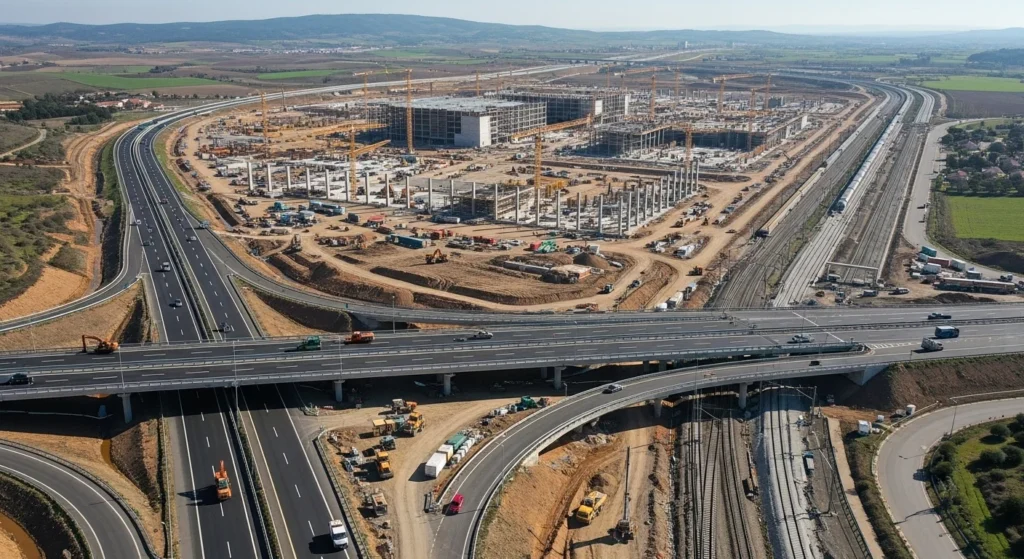
Major projects include high-speed rail expansion, smart city developments, motorway upgrades, and renewable energy parks. These investments are part of Spain’s long-term strategy to strengthen economic growth while aligning with EU sustainability goals.
Public infrastructure is not only a construction-driven sector but also a major employment engine. It requires engineers, technicians, project managers, environmental specialists, and skilled labourers.
How Infrastructure Projects Create Residency Opportunities
One of the most important aspects of Spain’s infrastructure growth is its impact on immigration policy and workforce demand.
Spain, like many EU countries, faces a shortage of skilled professionals in technical industries. To address this gap, government-backed infrastructure projects often rely on foreign talent, creating indirect pathways to residency.
Key factors include:
- High demand for engineers and skilled construction workers
- Long-term government contracts requiring stable workforce supply
- EU-backed funding encouraging international hiring
- Legal frameworks allowing work-to-residency transition
These factors make infrastructure employment a realistic pathway for professionals seeking residency opportunities in Spain through public sector jobs.
Key Sectors Offering Jobs and Residency Pathways

Transport Infrastructure
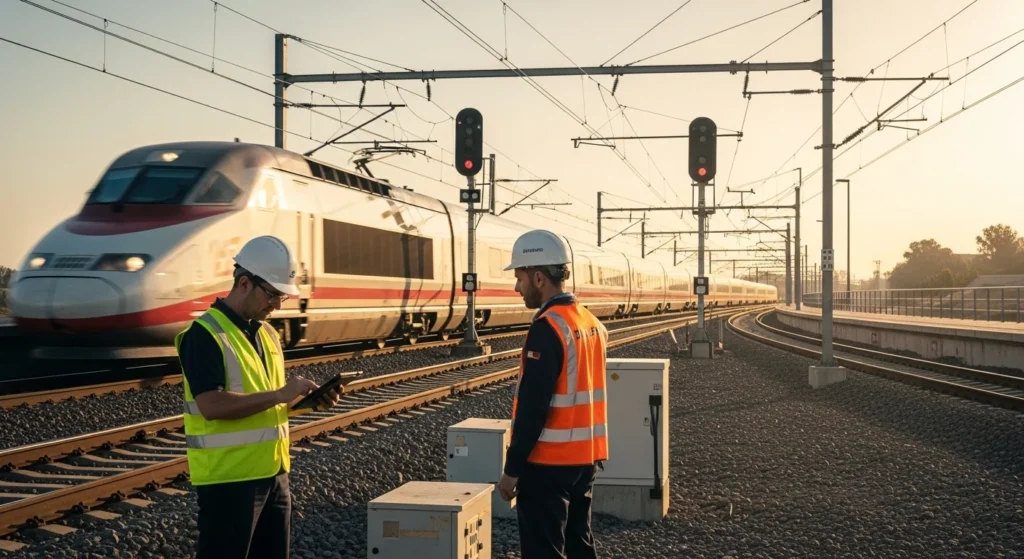
Spain is expanding its transport network, especially high-speed rail (AVE), metro systems, and highways. These projects need skilled professionals to design, build, and maintain infrastructure.
- Electrical engineers for energy systems
- Solar and wind technicians
- Environmental specialists
- Maintenance and installation teams
Urban Development
Cities like Madrid and Barcelona are growing with smart city and housing projects. This sector supports modern infrastructure and sustainable living.
- Architects for building design
- Civil engineers for construction work
- Urban planners for city development
- Construction managers for project control
Water & Environmental Engineering
Spain faces water management challenges, so public projects focus on sustainability and resource control.
- Desalination plant engineers
- Water system technicians
- Environmental consultants
- Sustainability project experts
Visa and Residency Pathways Linked to Infrastructure Jobs
Foreign professionals working in Spain’s infrastructure sector can access several legal residency routes.
Common pathways include:
- Work permits sponsored by employers
- Skilled worker immigration schemes
- EU Blue Card system for highly qualified professionals
- Long-term residency after continuous employment
These pathways allow workers to transition from temporary employment contracts to more stable residency status over time, depending on qualifications and duration of stay.
Required Skills and Qualifications
To work in Spain’s infrastructure sector, candidates typically need relevant technical expertise.
Common requirements:
- Engineering degrees (civil, mechanical, electrical)
- Construction and site management experience
- Technical certifications or vocational training
- Project management skills for large-scale developments
In many cases, Spanish language skills are beneficial, especially for on-site coordination and compliance processes.
Benefits of Working in Spanish Public Infrastructure Projects
Working in Spain’s infrastructure sector offers multiple long-term advantages:
- Stable employment in government-backed projects
- Access to structured residency pathways
- Competitive salaries in technical fields
- Exposure to EU-level engineering standards
- Opportunities for career progression across Europe

These benefits make the sector highly attractive for international professionals seeking both career development and immigration stability.
Challenges and Considerations
While opportunities are strong, there are also challenges to consider:
- Language barriers can affect communication on-site
- Recognition of foreign qualifications may require validation
- Regional differences in employment demand exist across Spain
- Legal paperwork for residency can take time to process
Understanding these factors is important for anyone planning to move through public infrastructure jobs in Spain offering residency opportunities.
Infrastructure Jobs vs Residency Impact
| Sector | Job Demand | Residency Link |
| Residency Link | High | Strong |
| Renewable Energy | Very High | Strong |
| Urban Development | High | Moderate |
| Water Engineering | Medium | Moderate |
Conclusion
Spain’s expanding infrastructure sector is more than just an economic development strategy, it is also a gateway for international professionals seeking long-term settlement opportunities. With consistent demand for skilled labour, structured visa pathways, and EU-backed investment, public infrastructure projects offering residency opportunities in Spain have become a realistic route for migration and career growth.
For skilled workers, engineers, and technical professionals, this sector represents a rare combination of job security and immigration potential in one of Europe’s most dynamic economies.
Looking to explore Spain’s infrastructure job market with residency pathways?
Get expert guidance from LeedTech and start your migration journey today.
FAQ’S
Can infrastructure jobs in Spain lead to permanent residency?
Yes, continuous employment in approved sectors can support long-term residency applications under Spanish immigration rules.
Which professionals are most in demand in Spain’s infrastructure sector?
Civil engineers, electrical engineers, construction managers, and renewable energy specialists are highly sought after.
Do you need Spanish language skills to work in infrastructure projects?
While not always mandatory, Spanish language skills significantly improve job prospects and workplace communication.
Are foreign workers eligible for government infrastructure jobs in Spain?
Yes, many public infrastructure projects hire international professionals due to skill shortages in the local workforce.
What is the easiest way to move to Spain through infrastructure work?
Securing a job offer from a registered Spanish employer is typically the first step toward obtaining a work permit and residency pathway.