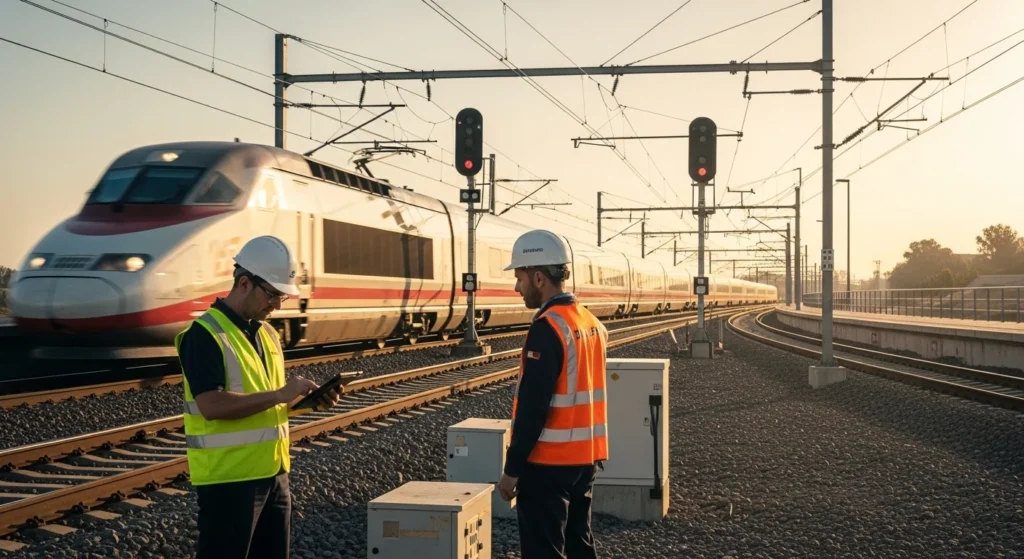
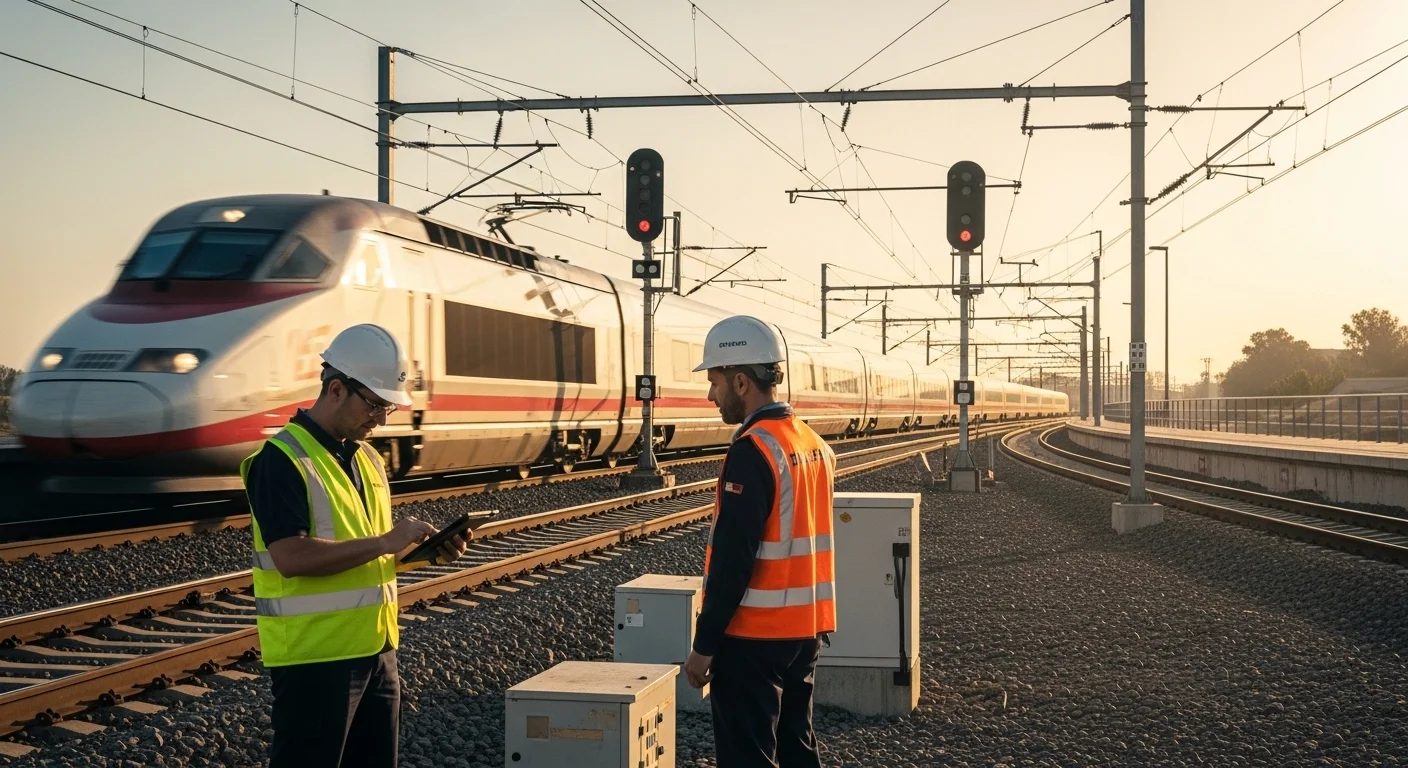
Spain is undergoing a remarkable transformation in its transport infrastructure, with railway modernisation at the heart of this evolution. Over the past decade, the country has invested heavily in upgrading its rail networks, particularly high-speed systems, positioning itself as a European leader in rail innovation. This ambitious push is not only improving connectivity and sustainability but is also significantly contributing to employment growth, especially in the engineering sector.
As demand for efficient, eco-friendly transportation rises, Spain’s railway modernisation is creating engineering jobs at an unprecedented rate. From civil engineering to digital railway systems, this sector is opening doors for both domestic and international professionals. For companies like LeedTech, this trend represents a valuable opportunity to tap into a growing market driven by innovation and infrastructure expansion.
The Scale of Spain’s Railway Modernisation
Spain boasts one of the largest high-speed rail networks in the world, second only to China. The AVE (Alta Velocidad Española) network connects major cities such as Madrid, Barcelona, Seville, and Valencia, significantly reducing travel times and enhancing economic integration.
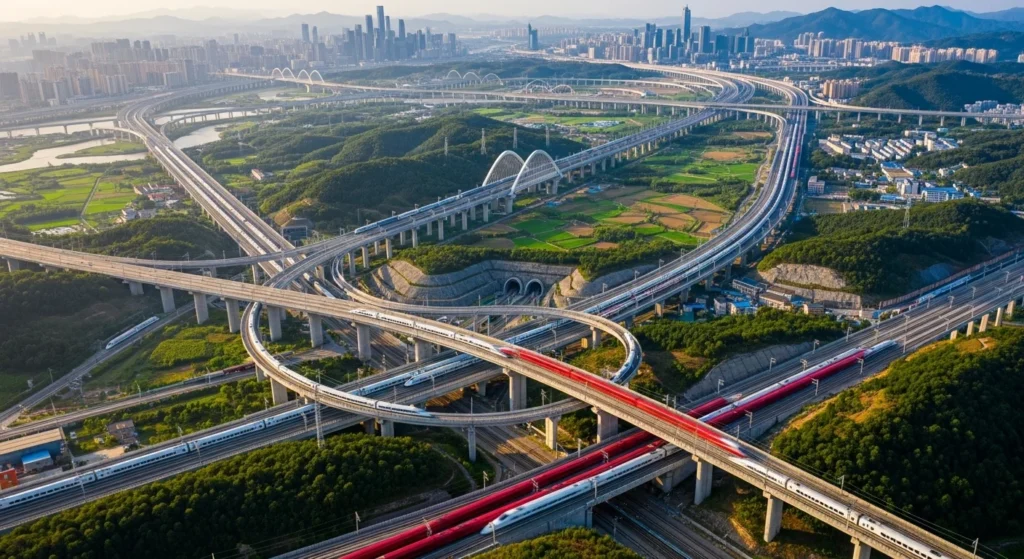
The Spanish government, supported by European Union funding, has committed billions of euros to railway infrastructure projects. These investments aim to:
- Expand high-speed rail coverage
- Modernise existing lines
- Improve cross-border connectivity
- Reduce carbon emissions
Railway modernisation is also closely tied to Spain’s sustainability goals. By shifting transportation from road and air to rail, the country is actively reducing its environmental footprint. This strategic alignment with green policies has accelerated the need for skilled engineering professionals.
Key Engineering Roles Emerging
The expansion of Spain’s railway network has created a diverse range of engineering roles. These positions require specialised skills and offer competitive salaries, making them attractive to professionals across Europe and beyond.
Civil Engineers
Civil engineers play a crucial role in designing and constructing railway infrastructure. Their responsibilities include:
- Track design and alignment
- Tunnel and bridge construction
- Soil and structural analysis
Electrical and Signalling Engineers
Modern railways rely heavily on advanced signalling systems and electrification. Engineers in this field work on:
- Train control systems
- Power supply networks
- Safety mechanisms
Mechanical Engineers
Mechanical engineers are essential for maintaining and improving train systems, focusing on:
- Rolling stock design
- Maintenance technologies
- Energy efficiency
Project Managers and Technicians
Large-scale railway projects require effective coordination. Project managers ensure timelines, budgets, and safety standards are met, while technicians support daily operations and maintenance.
Infrastructure Projects Driving Demand
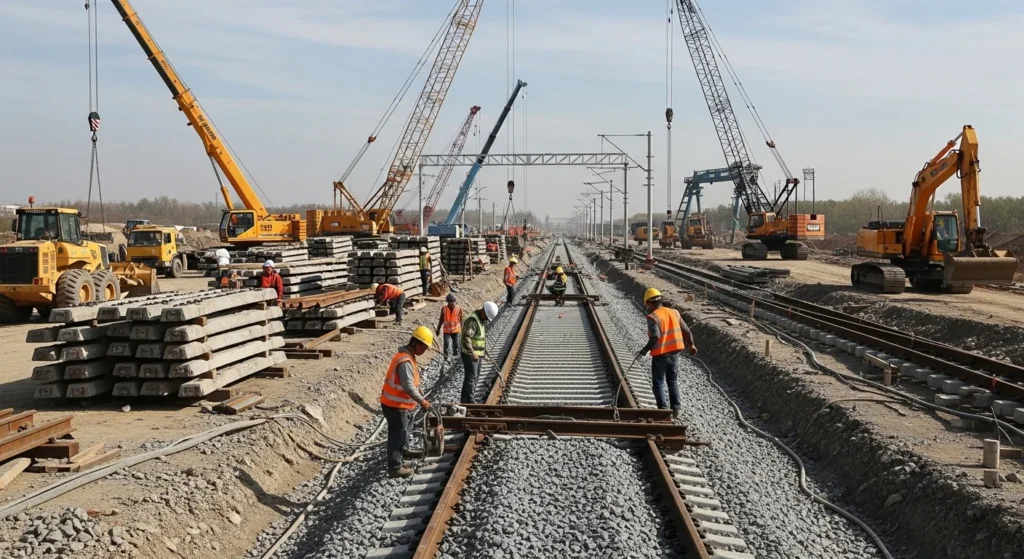
Spain’s railway modernisation is fuelled by multiple large-scale projects that require extensive engineering expertise.
Track Upgrades and Expansion
Existing railway lines are being upgraded to accommodate higher speeds and increased traffic. This involves:
- Replacing outdated tracks
- Enhancing safety systems
- Improving station infrastructure
Smart Railway Systems
Digital transformation is a key component of modern railways. Spain is implementing smart technologies such as:
- Automated signalling systems
- Real-time monitoring
- Predictive maintenance
These advancements require engineers with expertise in data analytics, artificial intelligence, and software integration.
Electrification Projects
Electrifying railway lines is essential for reducing emissions and improving efficiency. Engineers are tasked with:
- Installing overhead power systems
- Integrating renewable energy sources
- Optimising energy consumption
Skills and Qualifications Required
To succeed in Spain’s railway engineering sector, professionals must possess a combination of technical expertise and practical experience.
Educational Background
A degree in engineering. whether civil, electrical, or mechanical, is typically required. Advanced certifications in railway systems or project management can provide a competitive edge.
Digital Competence
Modern railway systems rely heavily on digital tools. Skills in:
- CAD software
- Data analysis
- Automation systems
are increasingly in demand.
Language and Collaboration
While English is widely used in technical environments, knowledge of Spanish can be beneficial. Engineers often work in multinational teams, requiring strong communication and collaboration skills.
Opportunities for Local and International Engineers
Spain’s railway modernisation is not limited to local talent. International engineers are actively recruited to meet growing demand.
Employment Opportunities
Engineering firms, construction companies, and government agencies are all seeking skilled professionals. Roles are available in:
- Design and planning
- Construction and supervision
- Maintenance and operations

Work Visa Pathways
Spain offers various work visa options for skilled professionals, particularly in sectors facing labour shortages. Engineering is considered a high-demand field, making it easier for qualified individuals to secure employment.
Competitive Salaries
Engineering roles in Spain offer competitive salaries, especially for experienced professionals. Benefits often include:
- Health insurance
- Relocation support
- Career development opportunities
Challenges in the Railway Engineering Sector
Despite its growth, the sector faces several challenges that must be addressed.
Skill Shortages
There is a growing gap between demand and supply of skilled engineers. This shortage is particularly evident in specialised areas such as signalling and digital systems.
Project Delays
Large infrastructure projects can face delays due to:
- Regulatory approvals
- Budget constraints
- Technical complexities
Financial Pressures
While funding is substantial, managing costs remains a challenge. Efficient project management is essential to ensure long-term sustainability.
Future Outlook of Railway Jobs in Spain

The future of Spain’s railway sector looks promising, with continued investment and innovation driving growth.
Long-Term Demand
As urbanisation increases and environmental concerns grow, rail transport will play an even more critical role. This ensures sustained demand for engineering professionals.
Green Transport Policies
Spain’s commitment to reducing carbon emissions will further accelerate railway development. Engineers specialising in sustainable technologies will be particularly востребованы (in demand).
Innovation and Automation
Emerging technologies such as autonomous trains and AI-driven systems will redefine the railway industry. Engineers with expertise in these areas will be at the forefront of this transformation.
Final Thoughts
Spain’s Railway Modernization Creating Engineering Jobs is more than just an infrastructure initiative, it is a gateway to economic growth, sustainability, and professional opportunity. For engineers seeking dynamic careers, Spain offers a thriving environment shaped by innovation and large-scale development.
As the country continues to expand its railway network, the demand for skilled professionals will only increase. Businesses like LeedTech can play a pivotal role in connecting talent with opportunity, ensuring that this transformation benefits both individuals and the broader economy.
FAQs
Are railway engineering jobs in Spain suitable for fresh graduates?
Yes, many companies offer entry-level roles and graduate programmes, particularly in large infrastructure projects where training is provided.
Which cities in Spain have the most railway job opportunities?
Madrid, Barcelona, Valencia, and Seville are key hubs due to major rail connections and ongoing projects.
Is prior railway experience necessary to work in this sector?
Not always. Engineers from construction, electrical, or mechanical backgrounds can transition into railway roles with relevant training.
How competitive is the railway engineering job market in Spain?
While demand is high, competition exists for top roles. Having specialised skills and certifications can significantly improve job prospects.
Can freelancers or contractors find opportunities in railway projects?
Yes, many projects hire contract-based engineers, consultants, and technical specialists for specific phases.