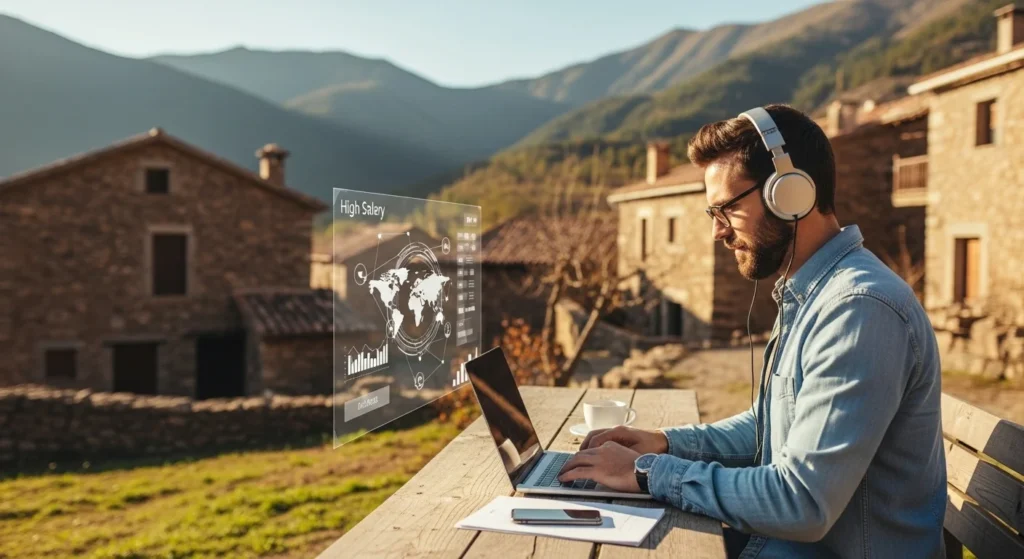
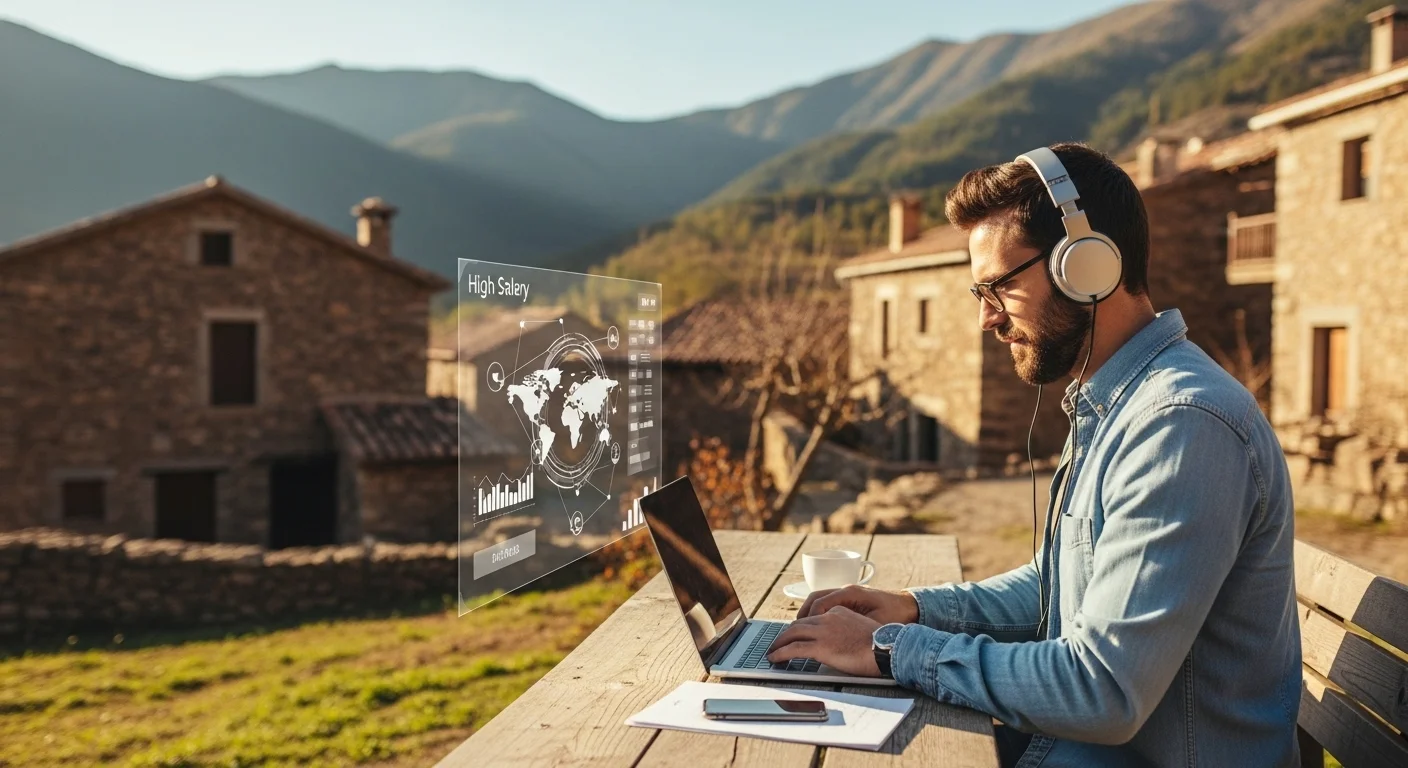
The rise of remote work has revolutionised how professionals approach their careers. For tech professionals, the opportunity to work remotely has unlocked a lifestyle once thought unattainable: earning high salaries while enjoying the tranquillity and affordability of rural living. Spain, with its picturesque low-cost villages, has become a magnet for remote tech workers seeking to combine career success with a slower, more sustainable way of life.
From the historic streets of Alquézar to the peaceful countryside of Galicia, Spain’s small towns offer affordable housing, lower living costs, and a high quality of life. Pairing this with high-paying remote tech roles allows professionals to save more, enjoy better work-life balance, and experience cultural immersion.
This article explores the top remote tech careers, expected salaries, lifestyle benefits, and practical tips to thrive while living in Spain’s villages.
Understanding Remote Tech Roles
What Are Remote Tech Roles?
Remote tech roles are positions in the technology sector that can be performed entirely online, without the need to commute to an office. These roles often involve software development, data management, design, IT support, cybersecurity, and cloud computing.

Key Remote Tech Roles:
- Remote software engineer / developer
- Data analyst / data scientist
- Cloud engineer / DevOps specialist
- UX/UI designer
- Cybersecurity expert
Top High-Paying Remote Tech Roles

Software Developer / Engineer
Software developers are among the highest-paid remote professionals. Their role involves writing, testing, and maintaining code for applications, websites, or software systems. Remote software engineers in Europe typically earn between €40,000–€80,000 annually, with senior roles exceeding €100,000.
Data Scientist / Analyst
Data scientists analyse large datasets to provide actionable insights. They work with machine learning, predictive modelling, and data visualisation. Remote positions pay €50,000–€90,000, depending on experience and company size.
Cloud Engineer / DevOps Specialist
These professionals design, implement, and maintain cloud infrastructures, often using AWS, Azure, or Google Cloud. Remote cloud engineers can earn €55,000–€100,000 annually.
UX/UI Designer
UX/UI designers create user-friendly and aesthetically pleasing digital interfaces. Remote designers earn €35,000–€70,000, with specialised UX roles reaching €80,000+.
Cybersecurity Expert
With cyber threats on the rise, cybersecurity experts are in high demand. Remote cybersecurity positions can range from €45,000–€95,000, depending on skillset and certifications.
Emerging Remote Tech Roles: AI/ML engineer, blockchain developer, and software architect offer lucrative opportunities for remote professionals.
Salary Expectations and Cost of Living in Spain
Spain’s major cities, like Madrid or Barcelona, have higher living costs, often €1,500–€2,500 monthly for rent and utilities. In contrast, villages such as Almería, Cáceres, or León offer monthly living costs under €800, including rent, groceries, and utilities.
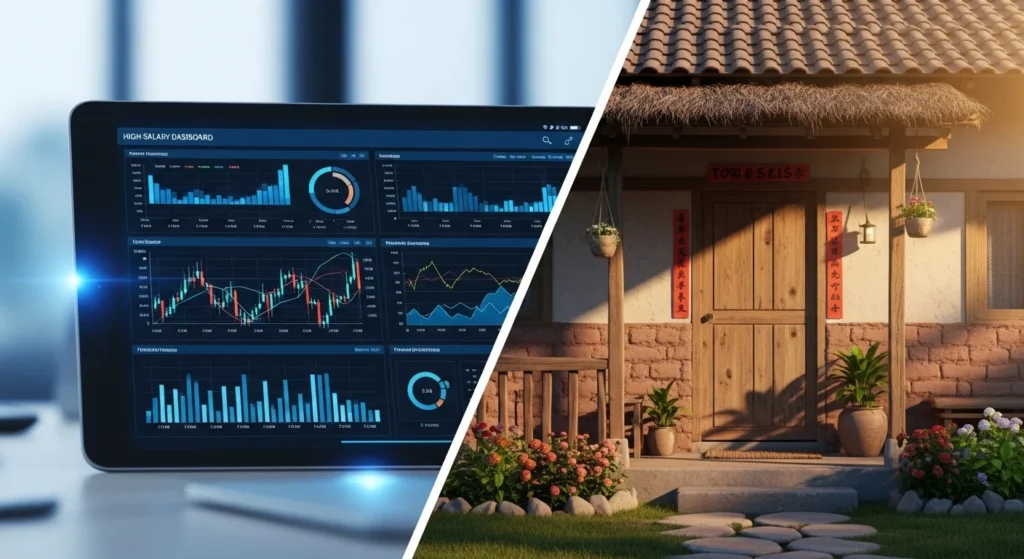
By combining a high-paying remote tech role with Spain’s low-cost villages, professionals can save substantially, enjoy more disposable income, and invest in quality-of-life experiences like local travel, gastronomy, and cultural activities.
Example:
A remote software engineer earning €60,000 annually could live comfortably in a village with monthly expenses of €800–€1,000, saving over €30,000 per year compared to city living.
Why Spain’s Villages Are Ideal for Remote Work

Affordable Housing and Utilities
Small towns offer lower rents and property prices. A two-bedroom apartment in a village may cost €300–€500 per month, compared to €900–€1,500 in a major city.
High Quality of Life
Spain’s villages provide a slower pace, cleaner air, less traffic, and a stronger sense of community. Work-life balance improves as daily stress decreases, enhancing productivity for remote professionals.
Access to Digital Infrastructure
Contrary to common belief, many Spanish villages now have reliable high-speed internet, co-working spaces, and shared offices, making remote tech work feasible and productive.
Expat and Digital Nomad Communities
Growing communities of international remote workers provide networking, socialising, and collaboration opportunities. Platforms like Meetup or local Facebook groups help newcomers integrate quickly.
Tips for Landing High-Paying Remote Tech Roles
Upskill and Certify: Learn trending technologies like cloud computing, AI/ML, data analysis, and cybersecurity. Platforms like Coursera, Udemy, and LinkedIn Learning provide remote certifications.

- Build a Strong Portfolio: Showcase your projects on GitHub, Behance, or personal websites. Employers value demonstrable results more than degrees alone.
- Use Remote Job Platforms: LinkedIn, Remote OK, We Work Remotely, and AngelList are excellent sources for high-paying remote positions.
- Networking: Join online tech communities, participate in webinars, and attend virtual meetups to increase visibility.
Challenges and How to Overcome Them
- Time Zone Differences: Choose companies compatible with your time zone or adjust your work schedule.
- Internet Reliability: Invest in a reliable ISP and backup mobile internet to ensure uninterrupted work.
- Work-Life Balance: Set clear boundaries between work and leisure to enjoy village life without burnout.
Final Thoughts
High-paying remote tech roles allow professionals to enjoy the best of both worlds: a rewarding career and a low-cost, high-quality lifestyle in Spain’s villages. By choosing the right tech role, investing in skills, and embracing rural living, you can build wealth, reduce stress, and immerse yourself in a vibrant, culturally rich environment. Spain’s villages are not just scenic, they’re smart choices for remote tech professionals aiming to maximise both income and lifestyle.
FAQs
What are the best-paying remote tech roles?
Software developers, data scientists, cloud engineers, and cybersecurity experts tend to offer the highest salaries for remote work.
How can I move to a Spanish village and work remotely?
Secure a remote tech role first, then research local housing, legal requirements, and internet infrastructure in your chosen village.
Are there tax considerations for remote workers in Spain?
Yes, foreign nationals living in Spain may be subject to Spanish income tax. Consult a tax advisor for precise guidance.
What’s the cost of living in Spain’s villages compared to cities?
Villages often have 40–60% lower living costs than cities like Madrid or Barcelona, including rent, utilities, and groceries.
How can I ensure reliable internet for remote work?
Check local ISPs, invest in a fibre connection if available, and consider a mobile data backup solution.