

Informal employment remains a significant issue across Spain, affecting thousands of workers who operate outside official labour regulations. Whether due to immigration status, lack of documentation, or employer practices, many individuals find themselves working without legal recognition. Understanding how to legalise informal work in Spain is crucial not only for compliance but also for long-term stability. Legal employment offers access to healthcare, social security, and protection under Spanish labour laws. More importantly, it opens the door to residency and future opportunities within the country.
This comprehensive guide explains the fastest and most effective ways to regularise informal work in Spain, ensuring you understand both the legal framework and practical steps involved.
Understanding Informal Work in Spain
Informal work, often referred to as“undeclared work,” involves employment that is not registered with Spanish authorities. This means no taxes are paid, and workers are not enrolled in the Social Security system. Common sectors where informal employment occurs include:
- Construction
- Domestic services
- Agriculture
- Hospitality

While it may offer short-term income, informal employment comes with serious risks, including lack of legal protection and vulnerability to exploitation.
Why Legalising Informal Work Matters
Legalising employment is not just about compliance, it is about security and rights.
Key Benefits:
- Access to Spain’s public healthcare system
- Eligibility for social security benefits
- Legal protection against unfair dismissal
- Ability to apply for residency and citizenship
- Financial stability and formal contracts
For employers, legalisation also avoids penalties and ensures adherence to Spanish labour laws.
Legal Pathways to Regularise Employment in Spain

Spain provides several legal routes for individuals seeking to transition from informal to formal employment. Choosing the right pathway depends on your specific situation.
Arraigo Social
This is one of the most common methods for undocumented workers.
Requirements:
- Proof of residence in Spain for at least 3 years
- Employment contract (minimum one year)
- Social integration report from local authorities
This pathway allows individuals to obtain a residence and work permit, making it a powerful option for those seeking to legalise informal work in Spain.
Arraigo Laboral
This route is suitable for individuals who can prove previous employment in Spain.
Requirements:
- At least 2 years of residence
- Proof of having worked informally for at least 6 months
Evidence may include:
- Court rulings
- Labour inspections
This method focuses on recognising past work rather than future employment.
Work Permit via Employer Sponsorship
Employers can play a key role in legalising informal employment.
Process:
- Employer offers a formal contract
- Applies for work authorisation on behalf of the worker
- Authorities review labour market conditions
This route is particularly effective when employers are willing to regularise their workforce.
Step-by-Step Process to Legalise Informal Work
Assess Eligibility
Evaluate your personal situation to determine which legal pathway fits you best, such as arraigo social, arraigo laboral, or employer sponsorship. Consider factors like your residence duration, past employment, and documentation.

This initial assessment ensures you apply through the correct channel, saving time and avoiding rejections.
Gather Documentation
Collect all required documents, including your passport, proof of residence (empadronamiento), and any employment evidence. Ensure documents are official, translated if needed, and complete to avoid delays. Proper preparation increases the likelihood of a smooth application process.
Secure a Job Offer
For many pathways, having a formal employment contract is mandatory. Your employer must be willing to register you officially with Social Security. This step confirms that you have a legitimate source of income to support your legalisation application.
Submit Application
Applications are submitted to the relevant immigration office (Oficina de Extranjería). Include all documents and completed forms, paying careful attention to accuracy. A properly submitted application begins the official legalisation process with Spanish authorities.
Await Decision
Processing times vary by region and pathway, often taking several months. During this period, authorities review your documents, verify employment, and assess eligibility. Patience is key, but you can prepare any follow-up information if requested.
Register with Social Security
Once approved, you must officially enrol in Spain’s Social Security system. This step grants you access to healthcare, pensions, and legal employment benefits. Registration finalises your transition from informal to fully legal work status in Spain.
Documents Required for Legalisation
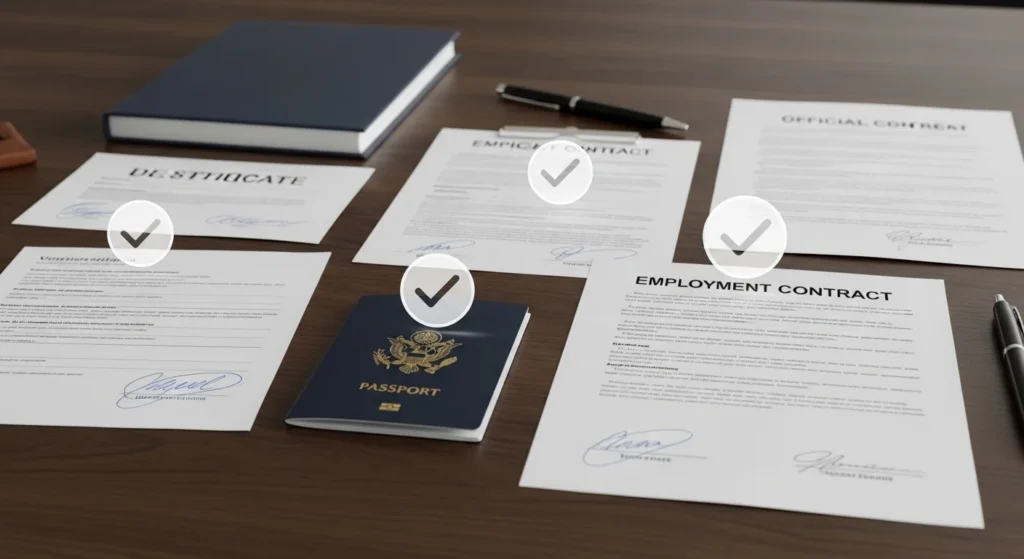
The documentation process is critical and must be handled carefully.
Common Documents Include:
- Passport and identification
- Proof of residence (empadronamiento)
- Employment contract
- Criminal record certificate
- Social integration report (if applicable)
Legalising informal work in Spain is not always straightforward.
Common Challenges and How to Overcome Them
Incomplete documentation is one of the main reasons for delays or rejections.
Challenges:
- Lack of proper documentation
- Employers unwilling to cooperate
- Long processing times
- Language barriers
Solutions:
- Seek legal advice from immigration experts
- Work with NGOs supporting migrant workers
- Ensure documents are translated and certified
- Stay updated on policy changes
Role of Employers in Legalisation
Employers play a crucial role in transitioning workers from informal to formal employment.
Responsibilities Include:
- Offering a legal contract
- Registering workers with Social Security
- Paying appropriate taxes

Encouraging employers to comply with labour laws benefits both parties and strengthens Spain’s economy.
Legal Risks of Remaining Informal
Failing to legalise employment can have serious consequences.
Risks for Workers:
- Deportation
- Lack of legal protection
- No access to benefits
Risks for Employers:
- Heavy fines
- Legal penalties
- Business restrictions
Understanding these risks highlights the importance of acting promptly.
Tips to Speed Up the Legalisation Process

If your goal is to legalise informal work in Spain quickly, consider these practical tips:
- Ensure all documents are complete and accurate
- Apply through the most suitable legal pathway
- Maintain consistent proof of residence
- Work with a qualified immigration advisor
- Avoid submitting incomplete applications
Efficiency and preparation are key to reducing delays.
Final Thoughts on Legalising Informal Work in Spain
Legalising informal work in Spain is a vital step towards stability, security, and long-term success. While the process may seem complex, understanding the available pathways and preparing thoroughly can significantly improve your chances. By choosing the right route, gathering proper documentation, and working with compliant employers, individuals can successfully transition into the formal economy. Ultimately, legalising informal work in Spain is not just about legality, it is about building a secure and sustainable future.
FAQs
Can I legalise informal work in Spain without an employer?
Yes, certain pathways such as arraigo laboral allow legalisation based on past employment without requiring a current employer.
How long does the legalisation process take?
Processing times vary but typically range from 3 to 6 months, depending on the application type and region.
Is it possible to apply while still working informally?
Yes, many applicants begin the process while still in informal employment, but they must meet all legal requirements.
What happens if my application is rejected?
You may appeal the decision or reapply after addressing the reasons for rejection.
Do I need a lawyer to legalise my work status?
While not mandatory, legal assistance can improve your chances and help avoid costly mistakes.