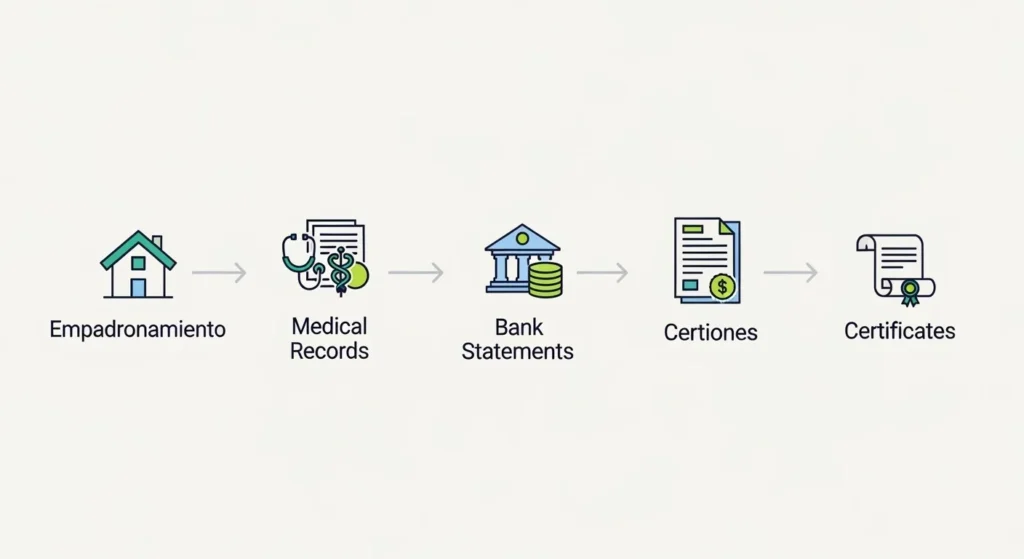

Hiring skilled international workers has become essential in an increasingly globalised labour market. Whether you’re expanding your business in the United Kingdom or entering the Spanish workforce, attracting the right international talent can significantly boost productivity, innovation and competitiveness.
This guide explains how international recruitment UK & Spain strategies work, how global workforce solutions can streamline hiring, and how to hire foreign workers UK & Spain compliantly, especially in demanding sectors like construction and technology.
Understanding International Recruitment UK & Spain
The term international recruitment UK & Spain refers to recruiting talent from outside each country’s borders to fulfil skills gaps or workforce needs. Rather than relying solely on local labour markets, employers increasingly look overseas for experienced professionals.

Companies may need workers in sectors ranging from engineering to tech development, hospitality, logistics, healthcare, and more. Bringing overseas talent onboard can be transformative, but it requires careful planning around legal and compliance issues.
Benefits include:
- Access to a wider talent pool
- Diverse skill sets and experience
- Competitive advantage in key industries
- Enhanced productivity and innovation
Employers in both the UK and Spain are facing tight labour markets, particularly in specialist roles where domestic talent is scarce .
Compliance Hiring UK & Spain
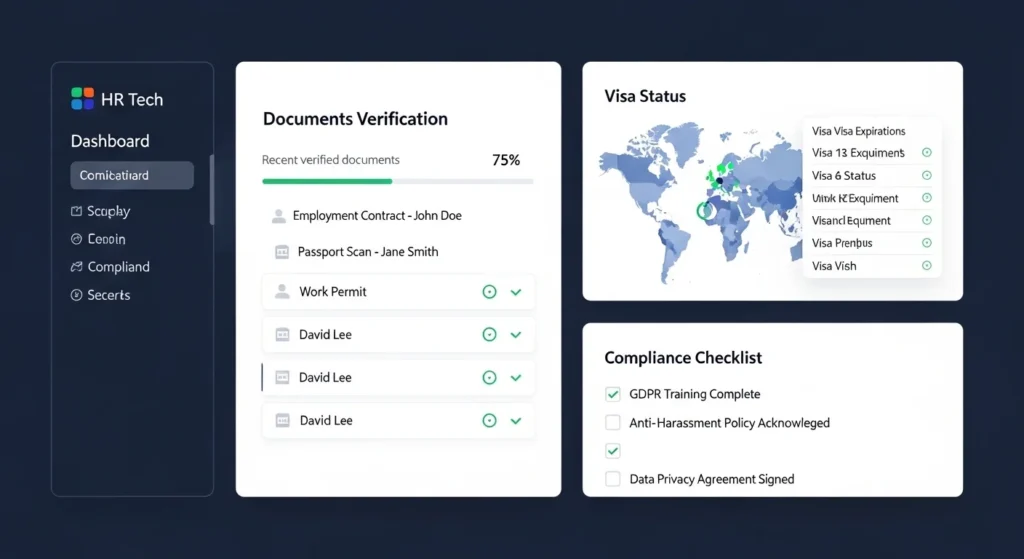
One of the critical challenges with international recruitment is ensuring compliance with local labour laws and immigration rules. Getting these wrong can lead to legal penalties, fines, or employment disputes.
Legal & Regulatory Considerations
In the UK, employers must follow strict right to work checks and ensure all foreign workers have valid visas or leave to remain. This includes conducting document checks and confirming work eligibility before employment begins .
Spain has its own set of employment and immigration regulations that influence how employers can hire international workers, including residency permits, work visas and compliance with the Spanish Social Security system .
Right to Work & Visa Requirements
Both countries require:
- Verification that the candidate is legally eligible to work
- Appropriate work visas or permits
- Adherence to local taxation and social security obligations
Failing to comply can result in legal sanctions or fines, so understanding these frameworks is essential before you start the hiring process.
Employer of Record (EOR) Services UK & Spain
What is an Employer of Record?
An Employer of Record (EOR) is a third‑party organisation that legally employs staff on behalf of your business in a foreign country. The EOR becomes the official employer for legal and tax purposes, handling payroll, benefits, compliance, taxes, and contracts, while you direct the staff’s day‑to‑day work .
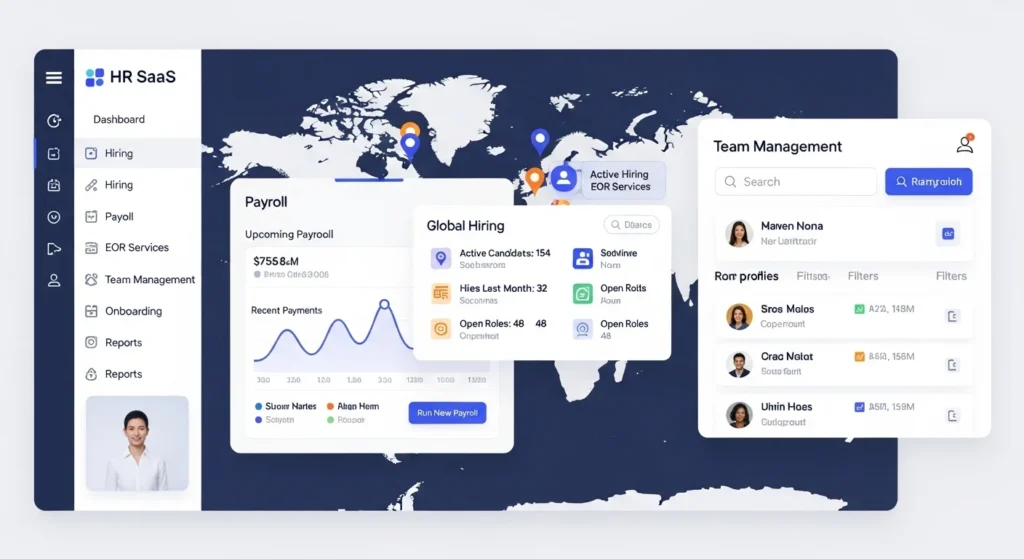
This approach lets businesses hire without establishing a local entity, a particularly attractive option for small to medium enterprises or companies testing new markets.
Why Use EOR Services?
Using an EOR has several advantages:
- Legal Compliance: EORs manage employment contracts, payroll, taxes, and statutory benefits in compliance with local laws.
- Speed: On-boarding international staff is faster without needing to register a legal entity first.
- Reduced Risk: Labour law, payroll taxes, and HR compliance are complex; EORs transfer most employer risk to themselves.
- Flexibility: You can scale your workforce up or down quickly based on business needs.
In the UK, EOR solutions allow companies to hire and onboard within days without a local subsidiary, ensuring compliance with employment and tax laws . In Spain, EOR providers manage HR administration and regulatory adherence, allowing you to recruit international talent without local registration .
Workforce Solutions for Construction & Tech

Certain industries, especially construction and technology, have unique international hiring challenges.
Construction Sector Needs
- Shortages of skilled tradespeople (e.g., electricians, welders, project managers)
- Complex immigration requirements for worker transport and site work
- Safety compliance and certification standards
Recruitment strategies often require collaboration with specialist workforce partners to source candidates and ensure workplace safety standards are met.
Technology Sector Challenges
- High demand for developers, data scientists, and IT specialists
- Competitive salary expectations
- Remote and hybrid working considerations
For tech roles, employers often combine remote hiring with EOR payroll solutions to support hybrid teams across borders. Using global talent platforms and international job boards helps broaden access to specialised talent.
Practical Steps to Hiring International Workers
Here’s a step‑by‑step approach to help you hire skilled international workers in both the UK and Spain:
Define Roles & Job Descriptions
Develop clear job specifications that outline:
- Required skills and qualifications
- Experience level
- Industry certifications
- Expectations for relocation support
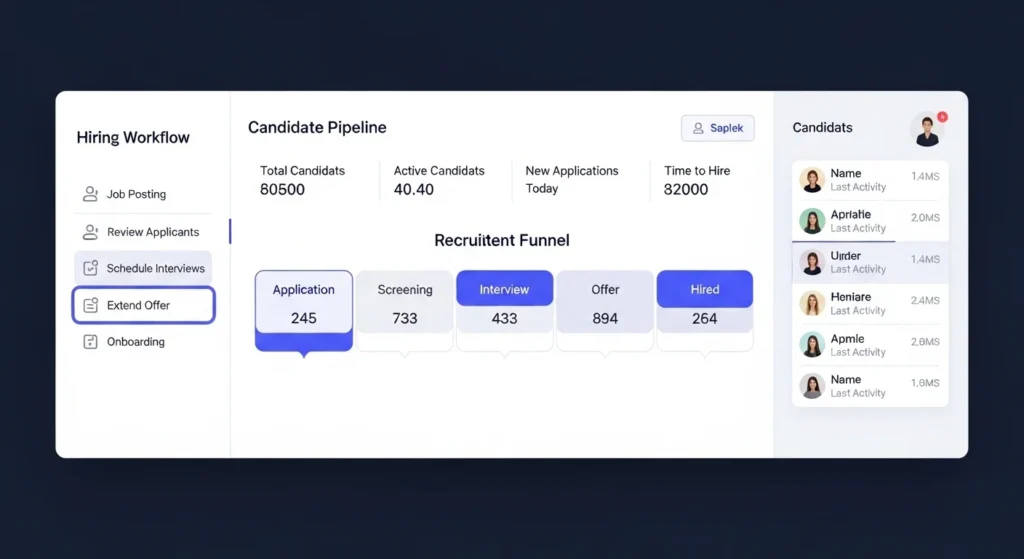
Sourcing Talent
Use a mix of:
- Global job boards
- International recruitment agencies
- Professional networks (e.g., LinkedIn)
- Sector‑specific sites
Recruitment firms with cross‑border expertise can significantly reduce hiring time.
Screening & Interviews
Conduct remote interviews with candidates using video conferencing. Assess cultural fit, technical skills, and language proficiency.
Compliance Checks
Verify legal eligibility to work, obtain necessary work visas, and ensure all contract terms meet UK or Spanish labour standards.
On-boarding Process
Provide orientation and support for visa relocation, payroll registration, and meeting cultural expectations. Using EOR services at these stages can smooth complex compliance and administrative hurdles.
Costs & Timeline Considerations
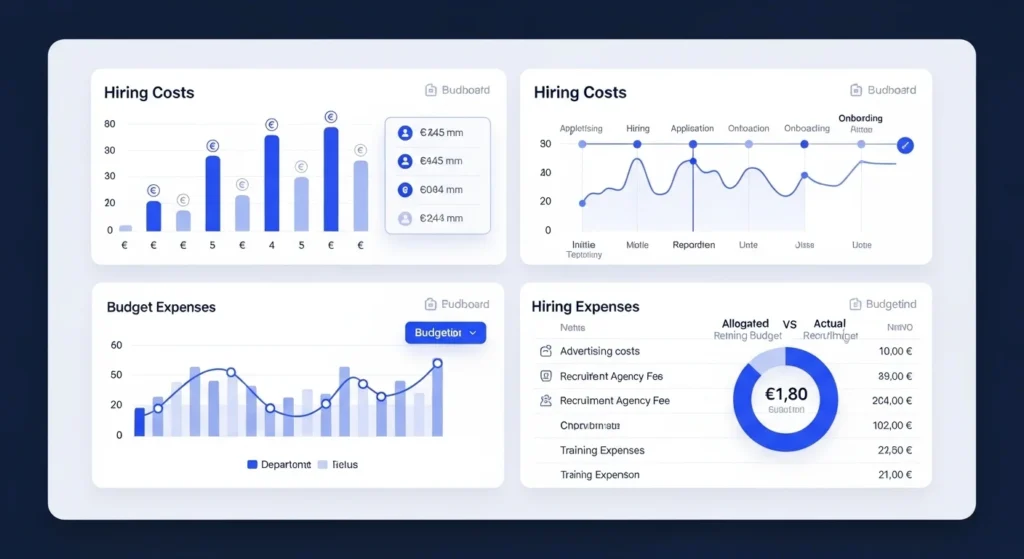
Hiring international workers can take longer and cost more than domestic recruitment. Costs you need to account for include:
- Visa application fees
- Relocation and immigration support
- Salary and benefits aligned with local standards
- Employer taxes and socials (e.g., UK National Insurance, Spanish Social Security)
- Agency or EOR service fees
Timelines vary depending on visa processing, labour checks, and candidate availability. Often, partnering with an EOR or specialised recruiter can help accelerate hiring by weeks compared to establishing a legal entity first.
Final Thoughts
Hiring skilled international workers in the UK and Spain presents both opportunities and challenges. By understanding compliance frameworks, leveraging global workforce solutions, and considering modern employment models like Employer of Record services, you can expand your talent pipeline and build stronger teams without becoming overwhelmed by local regulatory complexity.
Whether you’re filling critical roles in construction or technology, the right approach will combine careful planning, local compliance awareness, and strategic use of recruitment partners.
FAQs
What is international recruitment in the UK and Spain?
International recruitment refers to the process of sourcing and hiring candidates from overseas to work in the UK or Spain, often to fill skill shortages or specialist roles.
How does an Employer of Record (EOR) help with compliance?
An EOR manages legal employment obligations like payroll, contracts, taxes, and statutory benefits, ensuring you comply with local laws without needing a legal entity in that country.
Can I hire international workers without setting up a local entity?
Yes, using an EOR or similar workforce solution allows you to hire and onboard staff in the UK or Spain without registering a business locally.
What sectors are most in demand for international hires?
Construction, technology, healthcare, logistics and engineering sectors frequently seek international talent due to local shortages.
How long does it take to hire internationally?
The timeline varies widely, based on visa processing times, recruitment cycles, and compliance checks. Partnering with experienced agencies or EORs can significantly reduce delays.