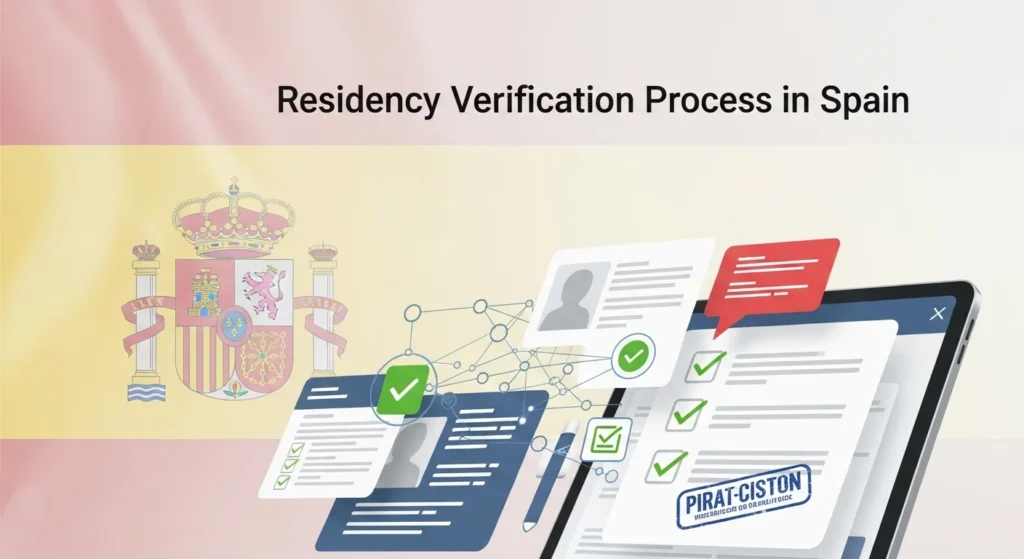

Spain has become one of the most sought-after destinations in Europe for individuals seeking protection and better economic opportunities. Many asylum seekers initially arrive under humanitarian grounds but later aim to build stable, long-term lives through employment. This makes switching from asylum status to work-based residency in Spain an important and practical pathway.
However, the transition is not always straightforward. Spanish immigration law is complex, and the process involves strict legal requirements, documentation, and timing considerations. Understanding the correct pathway can significantly increase your chances of success while avoiding costly mistakes.
This comprehensive guide explains everything you need to know from legal frameworks and eligibility criteria to practical steps and expert advice.
Understanding Asylum Status in Spain
Before exploring the transition process, it is essential to understand what asylum status entails.
Asylum in Spain is granted to individuals who fear persecution in their home country due to factors such as political opinion, religion, nationality, or membership in a particular social group.
Rights of Asylum Seekers
- Right to stay legally in Spain during application processing
- Access to basic healthcare and social services
- Limited right to work (usually after six months)
Limitations
- Temporary legal uncertainty
- Restrictions on travel
- Dependency on asylum decision outcomes
Because asylum status is often temporary or uncertain, many individuals look for more stable alternatives like employment-based residency.
Legal Framework for Transitioning to Work-Based Residency

Spain’s immigration system operates under structured legal guidelines that regulate the movement from one status to another. The transition from asylum to work residency is generally governed by:
- Spanish Immigration Law (Ley de Extranjería)
- Labour and employment regulations
- Regional administrative procedures
Key Eligibility Criteria
To switch status successfully, applicants typically need:
- A valid job offer or employment contract
- Proof of integration into Spanish society
- Clean criminal record
- Compliance with residency duration requirements
Meeting these criteria is essential before initiating the process.
Pathways to Switch from Asylum to Work Residency
There is no single route; instead, several pathways exist depending on your situation.
Employment-Based Transition
This is the most direct route. Once asylum seekers gain the legal right to work, they may secure a job offer from a Spanish employer.
The employer must:
- Provide a formal contract
- Demonstrate compliance with labour laws
- Justify the hiring (in some cases)

This pathway is ideal for individuals with skills in demand within Spain’s labour market.
Arraigo Social Pathway
One of the most common routes is arraigo social, a legal mechanism for individuals who have lived in Spain for a certain period.
Requirements include:
- Continuous residence (usually 3 years)
- Social integration proof
- Job contract
This pathway is especially useful for those whose asylum applications are denied but who have established roots in Spain.
Exceptional Circumstances
Spain allows residency permits under exceptional situations, such as:
- Humanitarian reasons
- Family ties
- Vulnerability cases
These cases are assessed individually and may provide an alternative route when standard requirements are not met.
Requirements for Work-Based Residency in Spain
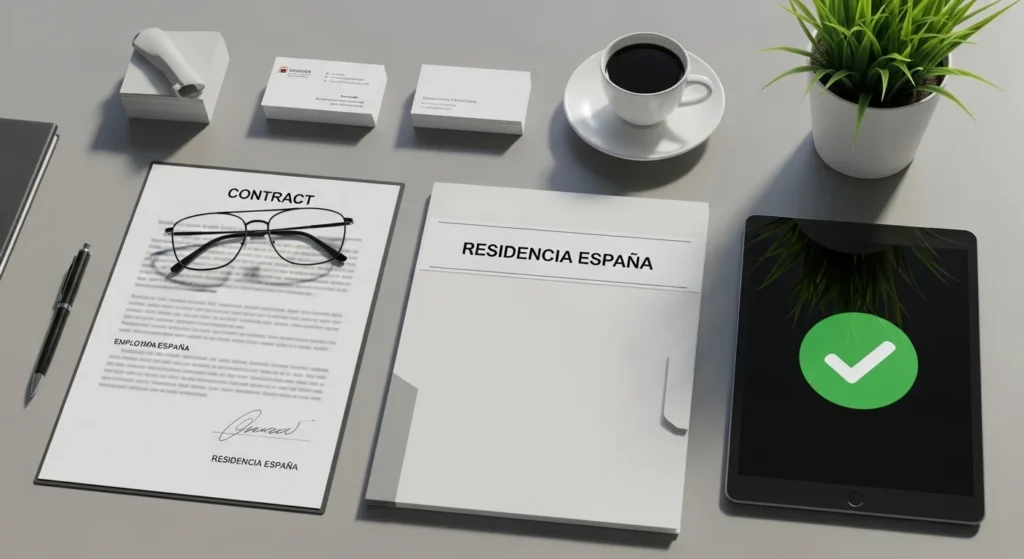
To successfully transition, applicants must meet specific legal and administrative requirements.
Job Contract Requirements
- Minimum duration (usually 1 year)
- Full-time employment
- Salary meeting legal standards
Documentation Needed
- Valid passport
- Proof of residence
- Employment contract
- Social security registration
- Background checks
Employer Responsibilities
Employers play a critical role. They must:
- Register the employee with Spanish Social Security
- Ensure compliance with employment laws
- Submit required documentation
Failure on the employer’s side can lead to application rejection.
Step-by-Step Process to Apply
Understanding the process step-by-step can help avoid confusion and increase your chances of approval when switching from asylum status to work-based residency in Spain.

Step 1: Secure Employment
The first and most crucial step is to obtain a job offer from a Spanish employer that meets immigration requirements. The contract must typically be full-time, valid for at least one year, and compliant with Spanish labour laws. It is important to ensure that the salary aligns with minimum wage regulations and industry standards. Employers should also be willing to support your legal transition, as their cooperation is essential. Building a strong CV and improving your Spanish language skills can significantly enhance your chances of securing employment.
Step 2: Gather Documentation
Once you have secured employment, the next step is to collect all the necessary documents required for the application. This includes your valid passport, proof of residence in Spain, employment contract, and any certificates proving your integration or qualifications. You may also need a criminal record certificate from your home country and Spain. Ensuring that all documents are translated into Spanish (if required) and properly certified is essential. Missing or incorrect paperwork can lead to delays or even rejection of your application.
Step 3: Submit Application
After preparing your documents, you must submit your application to the relevant immigration office in Spain. This is usually done through the Oficina de Extranjería or via authorised legal representatives. In many cases, your employer may need to submit part of the application on your behalf. It is important to ensure that all forms are correctly filled out and submitted within the required deadlines. Keeping copies of all submitted documents and receipts is highly recommended for future reference.
Step 4: Await Decision
Once the application has been submitted, you will need to wait for the authorities to process your case. Processing times can vary depending on the region and workload of immigration offices, typically ranging from a few weeks to several months. During this period, authorities may request additional documents or clarifications. It is important to regularly check for updates and respond promptly to any requests. Patience is key, as delays are common in administrative procedures in Spain.
Step 5: Obtain Residency Card
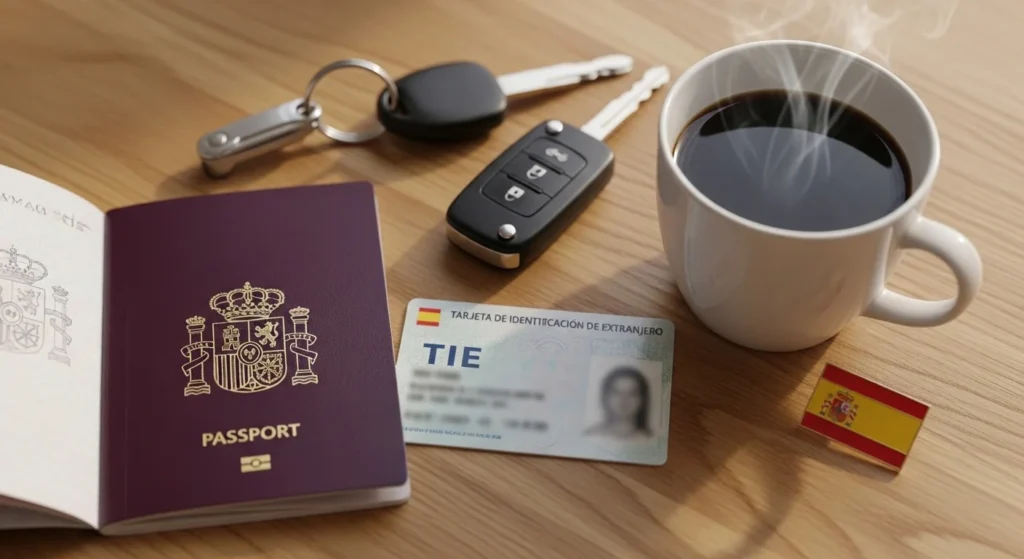
If your application is approved, you will be granted work-based residency and can proceed to obtain your residence card (TIE – Tarjeta de Identidad de Extranjero). This involves booking an appointment, providing fingerprints, and submitting final documentation. The card serves as official proof of your legal status and right to work in Spain. It is important to collect the card within the given time-frame and verify that all details are correct. Once received, you can legally live and work in Spain under your new residency status.
Common Challenges and How to Overcome Them

Transitioning is not always smooth. Here are common issues and solutions:
Bureaucratic Delays
Spanish administrative procedures can be time-consuming due to high application volumes and complex verification processes. Apply as early as possible, stay organised, and regularly monitor deadlines and application updates.
Documentation Issues
Incomplete, outdated, or incorrectly submitted documents are one of the most common reasons for application rejection. Carefully review all paperwork, ensure proper translations, and consider professional legal assistance if needed.
Employer Hesitation
Some employers may be reluctant to hire due to unfamiliarity with immigration procedures or fear of legal complications. Clearly explain the process to employers or seek support from immigration advisors to simplify the procedure for them.
Benefits of Switching to Work-Based Residency
Making the transition offers several advantages:
Legal Stability: Work-based residency provides a more secure legal status compared to asylum.
Career Opportunities: You gain access to broader employment opportunities and career growth.

Path to Permanent Residency: After a certain period, you may qualify for long-term or permanent residency.
Social Integration: You become more integrated into Spanish society through work and community participation.
Expert Tips for a Successful Transition
To maximise your chances:
- Seek Legal Advice: Immigration lawyers can guide you through complex procedures
- Prepare Early: Start gathering documents well in advance
- Build Work Experience: Skills increase employability
- Maintain Legal Status: Avoid overstaying or violating regulations
Consistency and preparation are key to success.
Conclusion
In summary, switching from asylum status to work-based residency in Spain is a realistic and valuable pathway for individuals seeking long-term stability. While the process can be complex, understanding legal requirements, choosing the right pathway, and preparing thoroughly can significantly improve your chances.
By securing employment, meeting documentation standards, and navigating administrative procedures effectively, asylum seekers can transition into a more secure and prosperous future in Spain. With the right approach, this shift not only enhances legal stability but also opens doors to professional growth and eventual permanent residency.
FAQs
Can I switch to work residency while my asylum application is still pending?
Yes, in some cases, but it depends on your work eligibility and legal status. Professional advice is recommended.
Does Spain prioritise certain professions for work residency approvals?
Yes, jobs in high-demand sectors such as construction, healthcare, and agriculture may have better approval chances.
What happens if my asylum application is rejected before I switch status?
You may still apply through alternative routes like arraigo social or exceptional circumstances.
Is knowledge of Spanish language required for work residency?
It is not always mandatory, but it significantly improves employment opportunities and integration.
Can I bring my family after switching to work-based residency?
Yes, family reunification is possible after meeting certain income and residency requirements.