

Spain has long been a destination for individuals seeking employment opportunities, stability, and a higher quality of life. In recent years, the Spanish government has developed several legal pathways allowing undocumented workers or individuals with irregular immigration status to regularise their stay through employment-based procedures.
One of the most important elements of any immigration process is proper documentation. Applicants must submit a comprehensive file that proves identity, residency history, employment conditions, and legal eligibility to remain and work in the country. Without the correct paperwork, even otherwise eligible candidates may face delays or rejection.
This guide provides a complete documentation checklist for Spain’s work-based regularisation applications, explaining the essential documents required, additional supporting evidence that can strengthen a file, and common mistakes applicants should avoid. By understanding these requirements, applicants can better prepare a strong and organised submission that aligns with Spain’s immigration regulations.
Understanding Work-Based Regularisation in Spain

Work-based regularisation in Spain refers to legal pathways that allow foreign nationals living in the country without full legal status to obtain residence and work authorisation through employment. These mechanisms help integrate migrants who have established lives in Spain and can demonstrate links to the labour market.
Several routes exist within this framework, including Arraigo Social, which requires proof of social integration and a job contract, Arraigo Laboral, which focuses on previous employment relationships, and Arraigo para la Formación, which allows applicants to regularise their status through professional training. Although the requirements vary for each pathway, all of them require a well-prepared documentation file proving eligibility.
Spanish immigration authorities review each application carefully to confirm:
- Identity and nationality
- Length of stay in Spain
- Employment relationships
- Criminal history
- Integration into Spanish society
Because of these strict checks, preparing the correct Spain immigration documentation checklist is crucial for a successful application.
Why Proper Documentation Matters
Immigration authorities in Spain place significant emphasis on documentation. A complete and accurate file demonstrates credibility and helps officials process applications efficiently. Several reasons explain why documentation is so important:
Legal Verification: Documents allow immigration authorities to verify the applicant’s identity, residency history, and employment conditions.
Proof of Eligibility: Applicants must show they meet the legal requirements of the specific regularisation pathway.
Administrative Efficiency: Incomplete applications often result in requests for additional information or delays.
Prevention of Fraud: Spain’s immigration system uses documentation checks to prevent false claims or fraudulent employment contracts.
For these reasons, preparing a thorough documentation checklist for Spain’s work-based regularisation applications is one of the most important steps in the process.
Core Documentation Checklist for Spain’s Work-Based Regularisation Applications
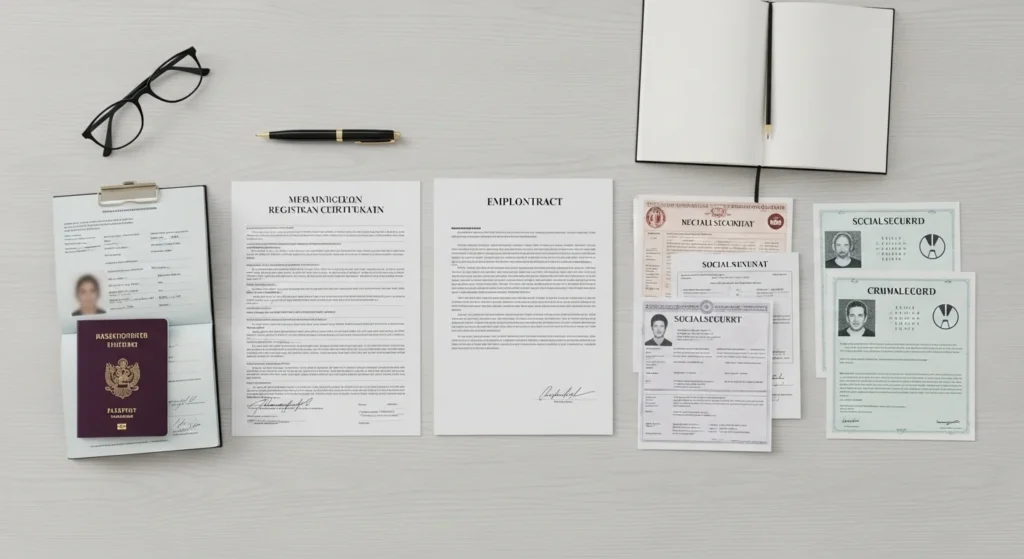
Although exact requirements may vary depending on the specific procedure, most applications require a set of fundamental documents.
Below is the essential Spain work permit documentation checklist typically requested by immigration authorities.
Valid Identification Documents
Applicants must first prove their identity and nationality.
Typical documents include:
- Valid passport (original and copies)
- National identity document from the country of origin
- Expired passports showing entry stamps into Spain
The passport must generally remain valid for the duration of the application process.
Immigration authorities may also request:
- Copies of all passport pages
- Proof of legal entry if available
Identity verification is the foundation of any Spain work authorisation paperwork.
Proof of Residence in Spain
Applicants must demonstrate that they have been living in Spain for a specified period.
Common evidence includes:
- Municipal registration certificate (Empadronamiento)
- Rental contracts
- Utility bills
- Medical records
- School registration documents for children
- Bank statements showing activity in Spain
For certain procedures such as Arraigo Social, applicants must show continuous residence for at least three years. Immigration offices often require documents covering the entire residency period to confirm uninterrupted presence.
Employment-Related Documentation
Employment evidence is a critical component of any Spain labour regularisation process. Depending on the regularisation pathway, applicants may need to provide:
(i) Employment Contract
A signed contract from a Spanish employer stating:
- Job position
- Salary
- Working hours
- Duration of employment
The contract must usually meet Spanish labour law standards.
(ii) Employer Identification Documents
The employer must submit:
- Company tax identification number (CIF)
- Social security registration
- Proof of economic activity
- Financial solvency documentation
These documents confirm that the employer can legally hire foreign workers.
(iii) Social Security Documents
If the applicant has previously worked legally in Spain, they may provide:
- Social Security contributions record
- Employment history certificates
Such documents significantly strengthen the application.
Criminal Record Certificates
Applicants must demonstrate a clean criminal record.
Typically required documents include:
- Criminal record certificate from the country of origin
- Criminal record certificate from Spain
These certificates must usually:
- Be issued within the last 3–6 months
- Be legalised or apostilled
- Be officially translated into Spanish
Immigration authorities use these documents to ensure applicants pose no public safety risk.
Administrative Forms and Application Fees
Applicants must also complete official administrative forms.
Common forms include:
- Immigration application forms
- Work authorisation forms
- Residency permit applications
Additionally, applicants must pay administrative fees through the relevant tax forms issued by the Spanish government. Proof of payment must be attached to the application file.
Additional Supporting Documents That Strengthen an Application
While the core documents are essential, additional supporting evidence can increase the credibility of an application. Examples include:
Social Integration Reports
Local authorities may issue integration reports confirming the applicant’s connection with the community.
These reports often include:
- Language skills
- Participation in community activities
- Family ties in Spain
Educational or Training Certificates
Certificates proving professional skills or education may support employment claims.
Letters of Recommendation
Employers or community leaders may provide written statements confirming the applicant’s work history or integration.
Although not always mandatory, these documents can strengthen a Spain immigration regularisation requirements file.
Document Translation and Legalisation Requirements
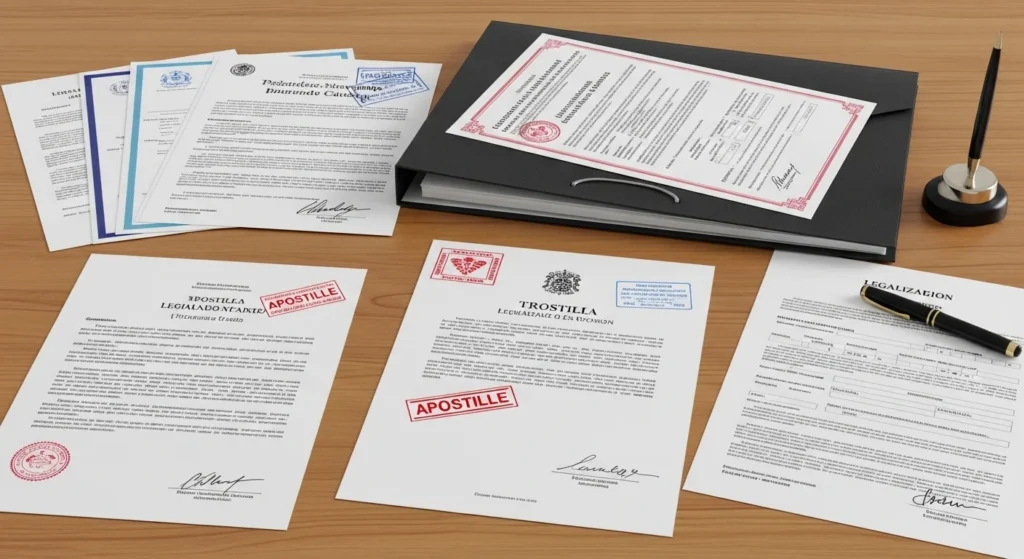
Many documents used in immigration applications originate from foreign countries. Spain requires certain formalities before such documents are accepted.
Official Translation
Documents not written in Spanish must be translated by a sworn translator authorised in Spain.
Apostille or Legalisation
Foreign documents must be authenticated through:
- The Hague Apostille Convention, or
- Diplomatic legalisation procedures
Failure to properly legalise or translate documents is a common reason for application rejection.
Common Documentation Mistakes Applicants Should Avoid
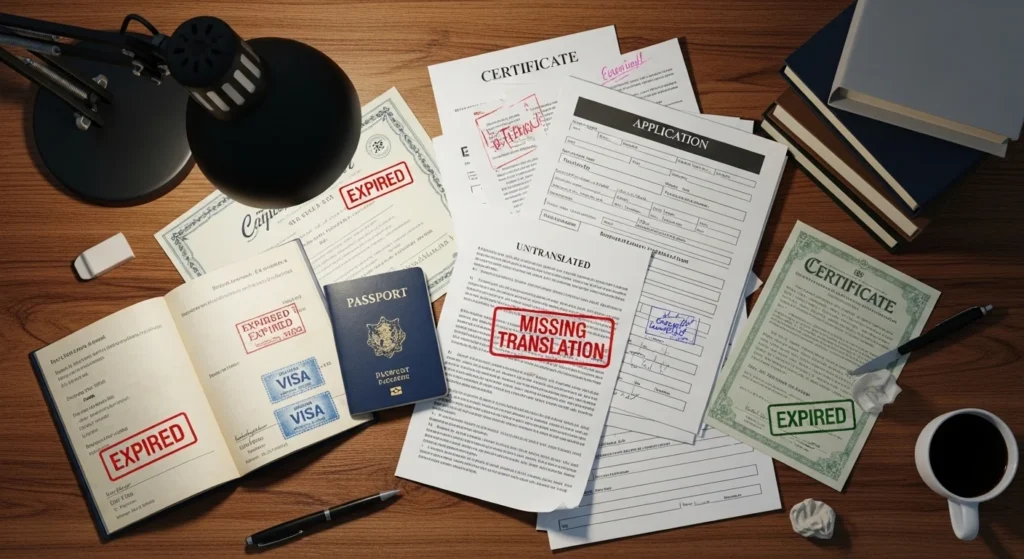
Even minor errors in documentation can lead to serious delays. Common mistakes include:
- Submitting Expired Certificates
- Incomplete Residency Evidence
- Incorrect Employment Contracts
- Missing Translations
- Disorganised Application Files
Avoiding these mistakes improves the chances of approval.
Preparing a Strong Application File
Preparing a strong application requires organisation and attention to detail. Applicants should consider the following strategies:
- Create a Documentation Folder: Keep original documents and copies organised.
- Maintain Chronological Records: Residency evidence should clearly show the timeline of stay in Spain.
- Verify Employer Compliance: Employers must meet legal requirements before offering contracts.
- Seek Professional Advice: Immigration lawyers or certified advisers can help ensure compliance with Spain’s legal framework.
Taking these steps helps applicants present a professional and credible application file.
Final Thoughts
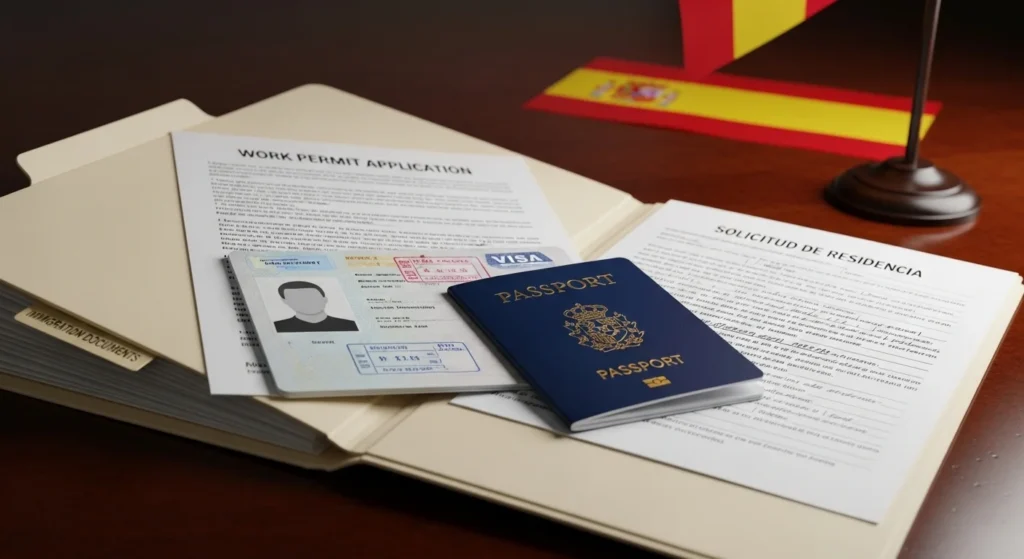
Applying for immigration regularisation through employment is a significant opportunity for many migrants living in Spain. However, the process requires careful preparation and strict adherence to documentation rules. A well-prepared documentation checklist for Spain’s work-based regularisation applications ensures that applicants provide all required evidence related to identity, residency history, employment conditions, and legal eligibility.
By organising documents properly, verifying translations, and avoiding common mistakes, applicants can greatly improve their chances of receiving legal residence and work authorisation in Spain. Understanding the Spain immigration documentation checklist, along with the broader Spain labour regularisation process, allows individuals to navigate the system more confidently and prepare a strong application that meets official requirements.
FAQs
How long does Spain’s work-based regularisation application process usually take?
Processing times vary depending on the immigration office and the type of regularisation procedure. In many cases, decisions are issued within three to six months after submission.
Can self-employed work contracts be used for regularisation?
Yes. Some regularisation pathways allow applicants to present a self-employment project instead of a standard employment contract, provided the business plan is economically viable.
Do family members benefit from an approved regularisation application?
In certain cases, once an applicant obtains legal residence and work authorisation, they may later apply for family reunification procedures.
Is legal assistance required when submitting a regularisation application?
Legal assistance is not mandatory, but many applicants choose to consult immigration lawyers or accredited advisers to avoid documentation errors.
Can applicants travel outside Spain during the regularisation process?
Travelling outside Spain during the application process may create complications, especially if the applicant does not yet have legal residence status.