

Across Europe, demand for skilled trade workers is rising rapidly, and Spain is no exception. As industries such as construction, infrastructure development, shipbuilding, and renewable energy expand, the country increasingly relies on skilled technicians and tradespeople. Among these professions, welding and related technical trades play a particularly important role.
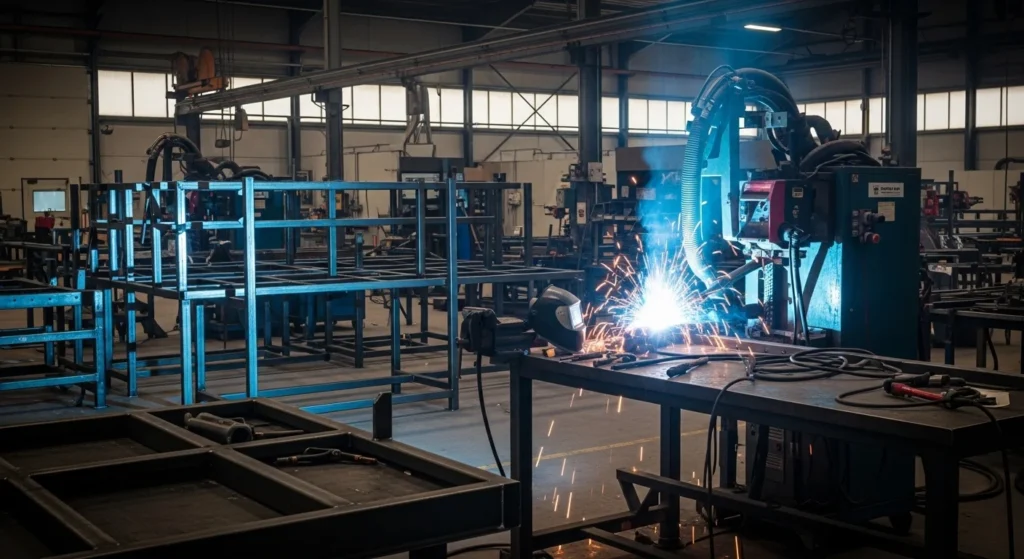
For foreign workers seeking employment opportunities in Spain, holding the right vocational or technical qualifications can significantly strengthen the chances of obtaining a work permit. Welding certifications, mechanical trade diplomas, and industrial technical training programmes demonstrate specialised skills that Spanish employers often struggle to find locally. This article explores welding and technical trade qualifications that support Spanish work permits, explains why these skills are in demand, and outlines how qualified workers can improve their prospects of working legally in Spain.
Why Skilled Trades Are Important for Spain’s Labour Market

Spain has experienced significant labour shortages in several technical sectors over the past decade. While many people pursue academic degrees, fewer young workers are entering vocational trades such as welding, electrical installation, and mechanical maintenance.
As a result, companies involved in construction, metal fabrication, shipbuilding, and renewable energy projects often struggle to recruit enough skilled workers. This situation has created opportunities for foreign workers who possess relevant technical qualifications.
Some of the key reasons for this shortage include:
- Ageing workforce in technical trades
- Increased infrastructure development
- Growth in renewable energy projects
- Expansion of manufacturing and logistics industries
Because of these factors, skilled technical workers are increasingly valued in Spain’s labour market, particularly those with recognised training and experience.
Understanding Spanish Work Permits for Skilled Workers
To work legally in Spain, foreign nationals generally need a residence and work authorisation issued by Spanish authorities. In many cases, an employer must sponsor the application and demonstrate that the position requires specific skills. Technical trades such as welding can strengthen a work permit application because:

- They involve specialised training
- The professions appear in shortage occupation lists in certain regions
- Employers may struggle to recruit qualified local workers
Although immigration policies can change over time, individuals with verified technical qualifications and practical experience often have stronger employment prospects.
Welding Qualifications That Support Spanish Work Permits

Welding is a core industrial skill used across many sectors, including construction, manufacturing, shipbuilding, and energy infrastructure. Several types of welding qualifications are particularly valuable for workers seeking opportunities in Spain.
Certified Welder (ISO / European Standards)
One of the most recognised welding certifications in Europe follows international standards such as ISO welding qualifications. These certifications demonstrate that a welder has been tested and approved to perform specific welding techniques according to industry standards. Employers in Spain often prefer candidates who have certifications aligned with European or international regulations, as this ensures consistent safety and quality standards.
Structural Welding Certification
Structural welding is widely used in construction projects involving steel frameworks, bridges, and large industrial structures. Qualified structural welders may find employment opportunities in:
- Building construction projects
- Infrastructure development
- Metal fabrication companies
- Industrial facilities
Because Spain continues to invest in infrastructure and urban development, structural welding skills remain highly valuable.
Pipe Welding Certification
Pipe welding is particularly important in industries such as:
- Oil and gas infrastructure
- Water supply systems
- Industrial manufacturing
- Power generation facilities
Pipe welders must master specialised welding techniques, often working with complex materials and tight spaces. Workers with these skills are frequently in demand across Europe.
MIG and TIG Welding Qualifications
Two of the most widely used welding processes include:
- MIG (Metal Inert Gas) welding: Often used in manufacturing and automotive industries.
- TIG (Tungsten Inert Gas) welding: Commonly used for precision welding in aerospace, stainless steel fabrication, and specialised engineering.
Holding certifications for multiple welding techniques can make candidates more attractive to employers.
Technical Trade Qualifications in Demand in Spain
Although welding is one of the most sought-after trades, several other technical professions also support employment opportunities.
Mechanical Technicians
Mechanical technicians are responsible for maintaining industrial machinery, diagnosing faults & performing repairs. Industries that rely heavily on mechanical technicians include:
- Manufacturing plants
- Logistics facilities
- Automotive production
- Industrial equipment maintenance

Electrical Technicians
Electricians and electrical technicians install and maintain electrical systems in residential, commercial, and industrial environments.
With Spain investing heavily in renewable energy projects such as wind and solar power, electrical technicians play a crucial role in energy infrastructure.
Construction and Metal Workers

Construction workers with technical specialisations are frequently required in:
- Steel fabrication
- Metal structure assembly
- Structural installation
- Industrial building projects
Metalworkers and fabricators often work alongside welders to construct complex metal structures.
Industrial Maintenance Technicians
Industrial maintenance technicians ensure that machinery and production systems operate efficiently.
Their responsibilities often include:
- Equipment inspection
- Mechanical repairs
- Preventative maintenance
- Safety compliance
Factories, manufacturing plants, and large logistics operations rely heavily on skilled maintenance professionals.
Vocational Education and Training (VET) and Recognition in Spain
Spain has a structured system of Vocational Education and Training (VET) designed to prepare workers for technical careers.
These programmes combine:
- Practical training
- Classroom instruction
- Apprenticeships with companies

For foreign workers, demonstrating equivalent vocational training from recognised institutions can improve employment opportunities. In some cases, qualifications may need to undergo a recognition process known as credential validation, which ensures that foreign training meets Spanish professional standards.
How Foreign Welding Qualifications Are Recognised in Spain
Foreign technical qualifications are sometimes recognised through professional equivalency procedures. This process may involve:
- Submitting certificates and training documentation
- Translating documents into Spanish
- Verification by Spanish authorities or educational institutions
- Additional training or testing if necessary
Many employers also value practical experience, meaning that documented work history in welding or technical trades can significantly strengthen applications.
Steps to Use Technical Trade Qualifications to Apply for a Spanish Work Permit

Workers with welding or technical qualifications can follow several steps to pursue employment opportunities in Spain.
Obtain Recognised Certifications: Ensure your welding or technical training is documented and, if possible, aligned with European standards.
Gain Practical Work Experience: Employers often prioritise candidates with proven industry experience.
Prepare Documentation: Important documents may include:
- Training certificates
- Employment records
- Professional references
- Passport and identification
Secure a Job Offer: In many cases, a Spanish employer must offer a contract before applying for a work permit.
Apply for Work Authorisation: The employer usually submits the work permit application to Spanish immigration authorities.
Industries in Spain That Hire Skilled Welders and Technicians
Several industries in Spain regularly hire skilled tradespeople.
- Construction: Urban development projects and infrastructure upgrades require welders, metal fabricators, and technicians.
- Shipbuilding: Spain has a long tradition in shipbuilding, and shipyards employ large numbers of skilled welders.
- Renewable Energy: Wind turbine structures and solar infrastructure often require specialised welding and mechanical skills.
- Manufacturing: Factories producing machinery, vehicles, and industrial components rely heavily on technical workers.
Benefits of Technical Trade Careers for Migration to Spain
Pursuing a career in welding or other technical trades offers several advantages for individuals interested in working abroad.
These benefits include:
- Strong demand for skilled workers
- Opportunities across multiple industries
- Potential long-term career stability
- Competitive salaries in specialised sectors
- Pathways to long-term residence through employment

Because technical trades require practical expertise, workers who invest in training and certification often find greater employment mobility.
Common Challenges and How to Overcome Them
Despite the opportunities available, foreign workers may encounter certain challenges.
- Language Barriers: Basic Spanish communication skills can significantly improve job prospects and workplace integration.
- Qualification Recognition: Some certifications may require official translation or evaluation.
- Work Permit Procedures: Immigration processes can be complex, so applicants should carefully follow official guidelines and documentation requirements.
Preparing in advance and ensuring all documentation is accurate can help avoid delays.
Future Demand for Welders and Technical Workers in Spain
Industry experts predict that demand for technical workers will remain strong in the coming years. Infrastructure development, renewable energy expansion, and industrial growth will likely continue to create employment opportunities.
Additionally, as older workers retire from technical trades, companies will need to recruit and train new professionals to maintain production capacity. Workers who invest in welding and technical training today may benefit from these long-term labour market trends.
Final Thoughts
Welding and technical trades remain essential to modern economies, and Spain is no exception. As industries expand and infrastructure projects continue, the need for skilled technicians is expected to grow.
For foreign workers seeking employment opportunities in Spain, holding recognised welding or technical trade qualifications can significantly strengthen job prospects and support work permit applications. Certifications in areas such as structural welding, pipe welding, mechanical maintenance, and electrical installation demonstrate valuable skills that many employers actively seek.
While immigration procedures and qualification recognition requirements must always be followed carefully, individuals with strong technical training, practical experience, and a willingness to adapt to Spain’s labour market can position themselves well for future opportunities.
FAQs
Are welders in demand in Spain?
Yes. Welders are often required in construction, manufacturing, shipbuilding, and infrastructure projects, making them valuable skilled workers in the labour market.
Can foreign welders obtain a work permit in Spain?
Foreign welders may obtain a work permit if they receive a job offer from a Spanish employer and meet the necessary immigration requirements.
Which welding skills are most valuable in Spain?
Commonly requested skills include MIG welding, TIG welding, pipe welding, and structural welding.
Do welding certificates need recognition in Spain?
In some cases, foreign qualifications may need official recognition or translation to ensure they meet Spanish professional standards.
Is Spanish language knowledge required for welding jobs?
While not always mandatory, basic Spanish language skills can greatly improve employment opportunities and workplace communication.