

Spain’s immigration regularisation system, particularly the recent expansion of arraigo pathways, has attracted increasing attention from policymakers, researchers, and migrants alike. While national-level data exists on the number of individuals regularised, there is limited official data directly comparing approval rates between urban and rural areas.
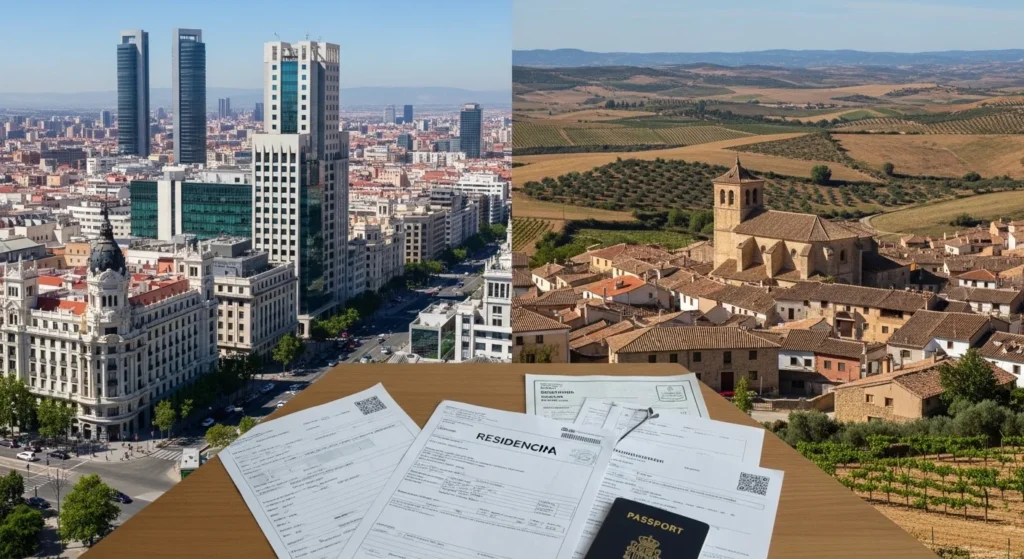
This article explains the topic by combining available research, statistics, and logical analysis to show why and how these approval differences may occur. We also examine broader contextual trends: where migrants live in Spain, how regularisation works, and how urban and rural social contexts differ.
Understanding Immigration Regularisation in Spain
To talk about urban versus rural approval rates, we first need to understand the basic system:
What Is Regularisation?
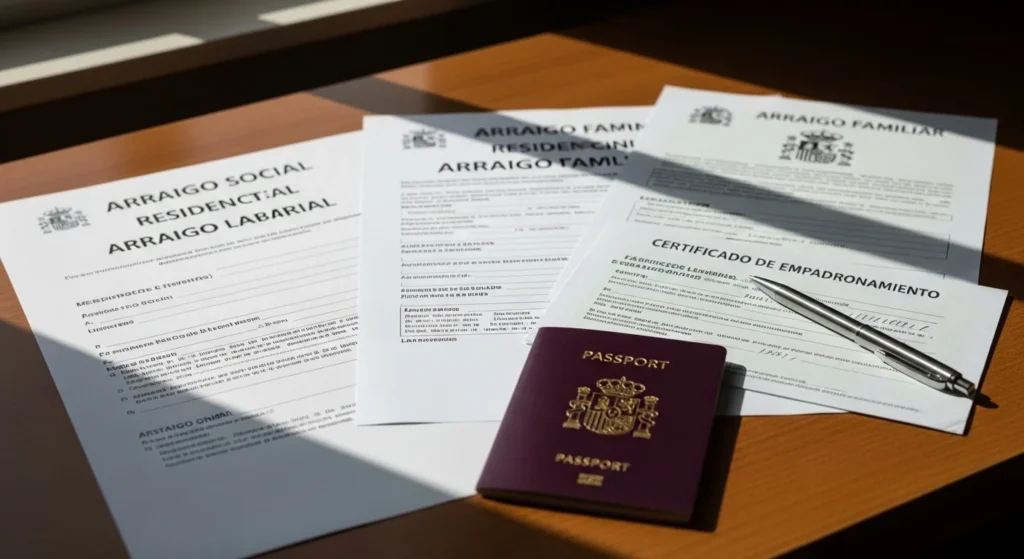
Regularisation refers to legal processes through which migrants without valid residence status may obtain authorised residency. The principal regularisation pathways include:
- Arraigo social
- Arraigo laboral
- Arraigo familiar
Recent official estimates indicate that over 350,000 individuals in Spain hold residency through arraigo mechanisms, representing a significant proportion of legally authorised foreign residents. Another update from the Observatorio Permanente de la Inmigración shows continued growth in regularised residents, especially through streamlined procedures.
Urban Concentration of Migrants
Immigrant populations in Spain are heavily concentrated in major urban centres such as Madrid, Barcelona, Valencia, Alicante, and the Balearic Islands.
Urban areas generally have:
- Higher migrant population density
- More NGOs and legal support services
- More employment opportunities
- Greater ethnic community presence
Why Approval Rates May Differ: Key Factors
Population Distribution
Urban areas are a magnet for migrants. They offer services, jobs, and community support. This means more people apply for regularisation in cities, and more applications are processed. In rural areas, migrants are fewer and more scattered, making support access and application completion harder.
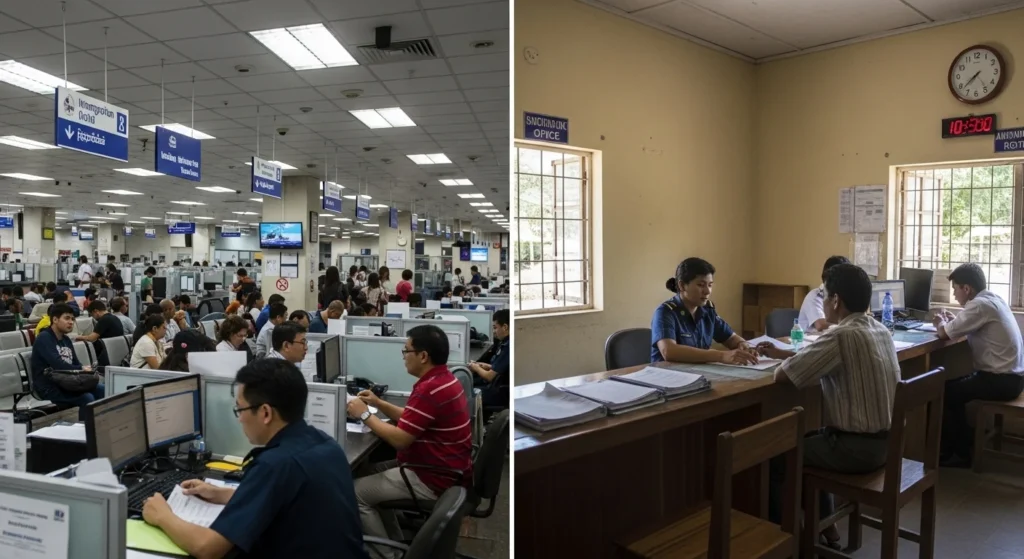
Higher application volumes in cities often result in both greater total approvals and potentially higher completion success rates.
Access to Legal Support

Urban areas generally provide:
- Specialist immigration solicitors
- Established NGO support networks
- Municipal advisory offices
Rural applicants often must travel to larger towns or cities to get same-level support. Lack of support can lead to incomplete applications, reducing approval chances.
Economic Opportunity
Regularisation often depends on proof of integration, stable work, or community ties.
- Cities offer formal employment and proof of income
- Rural jobs are often informal or seasonal
This means urban applicants may be able to present stronger and more consistent documentation, thereby improving their likelihood of approval.

Social Attitudes
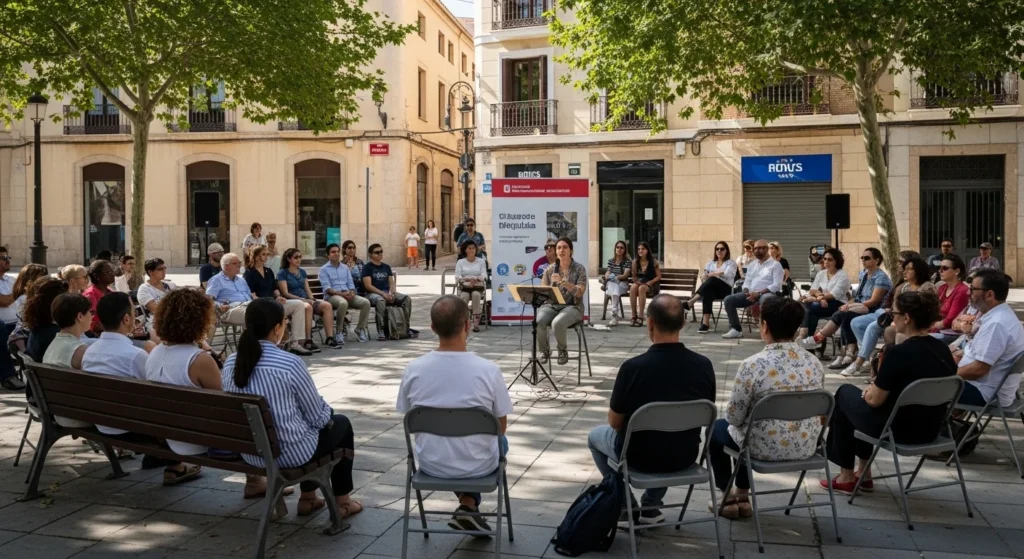
Research shows that attitudes toward immigration may differ between urban and rural residents. Urban populations tend to show greater acceptance and positive attitudes toward immigrants, while rural areas may show more subtle or overt resistance.
Social climate may indirectly influence levels of institutional support and employer cooperation, which can affect the preparation and submission of applications.
Government Policy & Decentralised Practices
Spain’s immigration processes involve national legislation but local enforcement and interpretation. Urban public administrations may have:
- Better staff training
- More technology to process paperwork
- Larger teams to handle case reviews

Rural offices can be smaller, slower, or less specialised, indirectly affecting approval rates.
Research Limitations & What the Data Tells Us

There is currently no publicly available central dataset that disaggregates approval rates by urban and rural location within Spain’s regularisation system. Therefore, much of the understanding must rely on:
(i) Migrant population distribution trends
(ii) Conditions for successful application
(iii) Research on social context in different regions
(iv) Reports on overall regularisation growth
Synthesis of Findings
Although direct approval statistics are unavailable, we can reasonably conclude:
| Factor | Urban Areas | Rural Areas |
| Application Volume | Receive most immigration regularisation applications | See smaller numbers of applications |
| Support Networks | Have larger legal, NGO, and community support networks | Limited access to specialised legal and advisory support |
| Regularisation Pathways | Show relatively smoother regularisation pathways due to better documentation and assistance | Face structural barriers such as distance, limited guidance, and unstable contracts |
| Settlement Patterns | Attract long-term migrant settlement | Migrants often linked to seasonal or sector-specific employment |
| Socio-Economic Impact | Strengthen urban labour markets and economic diversity | Contribute significantly to demographic renewal and rural workforce sustainability |
| Policy Needs | Focus on efficient processing systems | May require targeted policy focus to equalise access and approval opportunities |
Conclusion
While there is no definitive official dataset showing exact urban vs rural approval rate percentages in Spain’s immigration regularisation system, evidence strongly suggests a contextual difference: Urban applicants have easier access to services, legal help, documentation, and social support. Rural applicants face higher barriers but are crucial to local economies and demographic sustainability. Policy reforms aimed at expanding local legal assistance and further decentralising immigration services could help reduce potential disparities between urban and rural applicants.
FAQs
Does Spain publish rural vs urban approval rates?
No, Spain’s immigration authorities do not currently publish approval rates broken down by geographic context. Most data is national or regionally aggregated.
Are migrants concentrated in cities in Spain?
Yes. Urban centres like Madrid, Barcelona, Valencia, Alicante and the Balearic Islands have high concentrations of migrant residents.
Do rural areas have migrant populations?
Yes. About 10% of rural residents in smaller municipalities are foreign-born, especially younger adults who contribute economically and socially.
What is arraigo?
Arraigo is a pathway to legal residency based on social or labour ties developed over time in Spain. It is one of the main regularisation routes.
What factors influence approval?
Key factors include:
- Level of documentation
- Type of employment
- Local support services
- Quality of application preparation