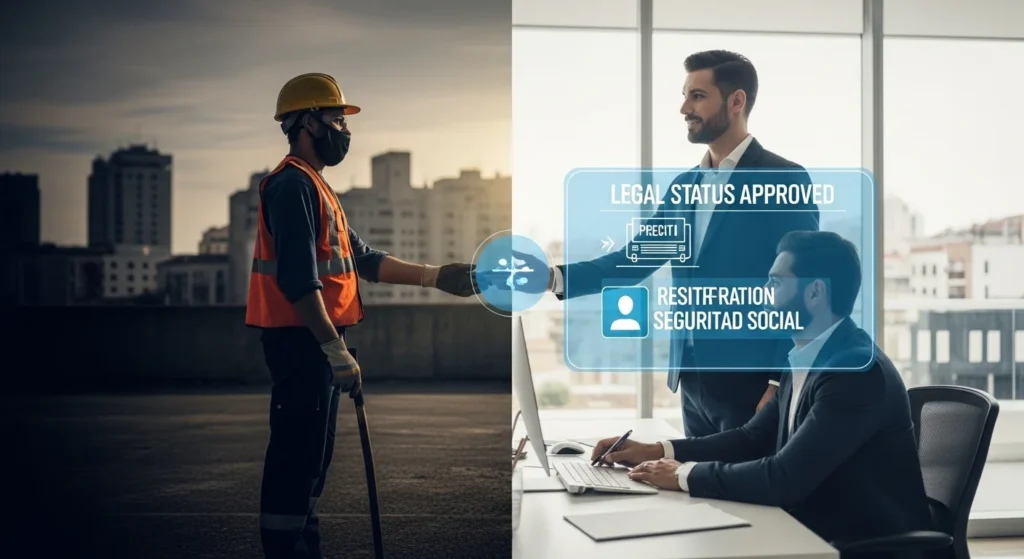

Ever think about why workplace safety is more than just a legal requirement in Spain? Because it is a fundamental responsibility. Construction and industrial sites pose significant risks, making Spanish site safety essential for protecting workers, avoiding legal penalties, and ensuring smooth project execution. By following proper safety standards, businesses can reduce accidents, increase productivity, and build a strong culture of responsibility on-site. At LeedTech, we emphasize proactive safety planning to help businesses meet Spain’s workplace safety standards with confidence.
1. Overview of Spanish Site Safety Regulations
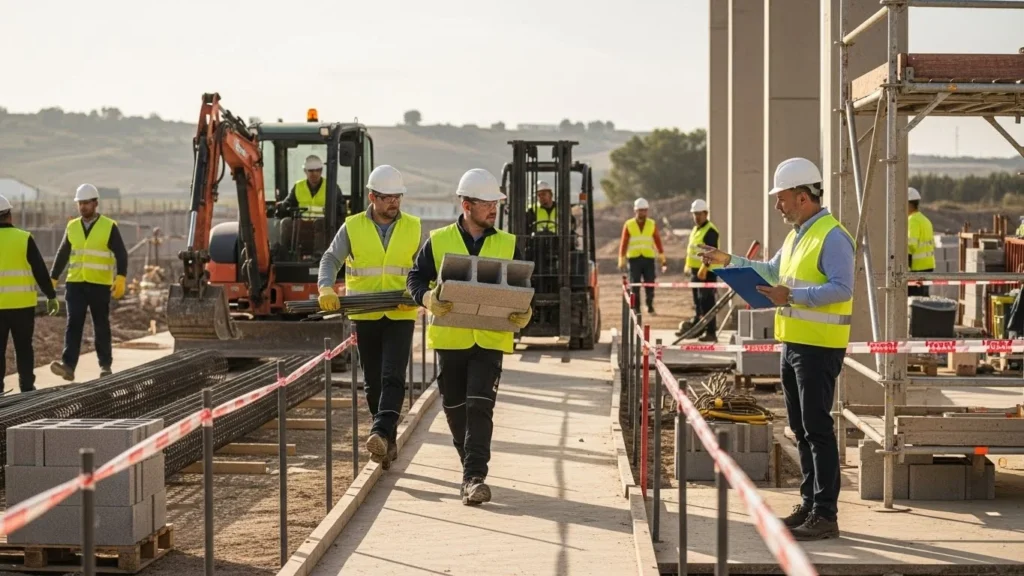
Spain enforces strict health and safety laws to protect employees across all industries, particularly in high-risk environments such as construction and industrial sites. Compliance with these regulations is essential to reduce accidents, ensure legal adherence, and maintain efficient operations.
- Legal Framework for Workplace Safety
Spain’s Law on the Prevention of Occupational Risks (LPRL) forms the backbone of workplace safety regulations. It sets out clear responsibilities for employers and employees to create safe working conditions.
- Requires Risk Assessments Before Work Begins
Employers must conduct thorough risk assessments to identify potential hazards before starting any work. These assessments ensure that preventive measures are in place to minimize accidents and protect workers.
- Enforces Safety Training and Protective Measures
The law mandates that all employees receive proper safety training and are equipped with the necessary protective equipment. This ensures that workers are prepared to handle risks and follow safe procedures on-site.
- Holds Employers Legally Accountable for Worker Safety
Employers are legally responsible for implementing safety measures and maintaining compliance. Failure to adhere to these regulations can result in fines, legal action, and project delays.
2. Employer Responsibilities on Spanish Worksites
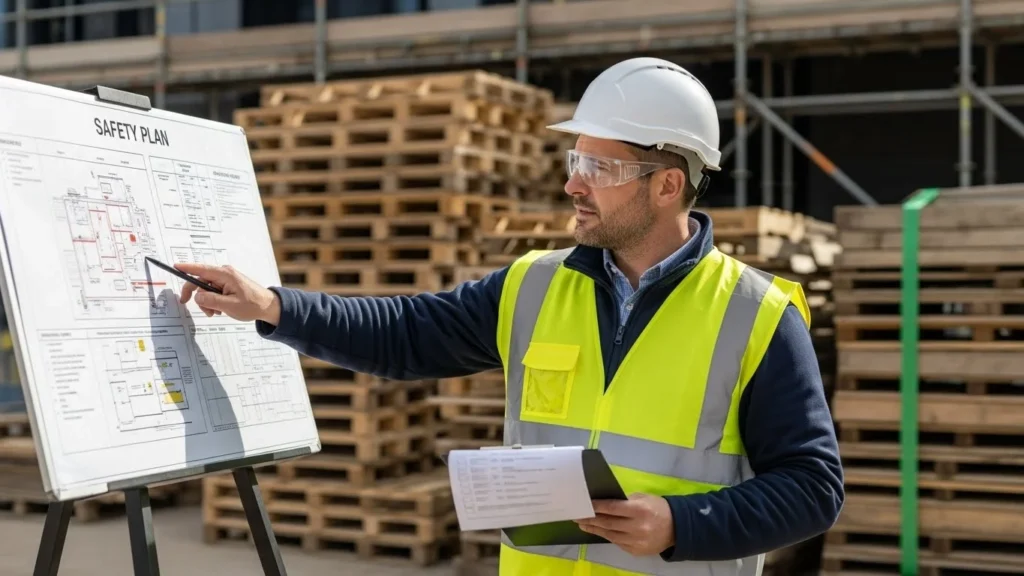
Employers play a critical role in maintaining workplace safety in Spain. They are legally required to:
- Identify and minimize site hazards
- Provide appropriate safety equipment
- Ensure proper training and supervision
- Maintain clear emergency procedures
- Regularly review safety compliance
Failure to meet these obligations can result in serious penalties and work stoppages.
3. Worker Responsibilities and Safety Awareness
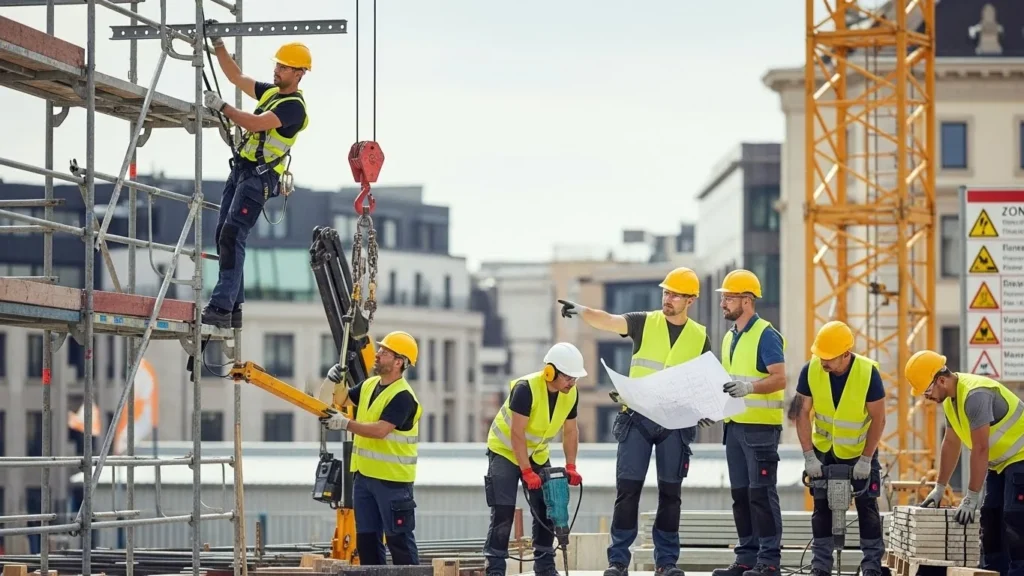
While employers must provide safety measures, workers are also responsible for:
- Following site safety rules
- Using PPE correctly
- Reporting hazards or unsafe conditions
- Participating in safety training
A collaborative approach ensures a safer and more compliant worksite.
4. Essential Safety Measures on Construction Sites
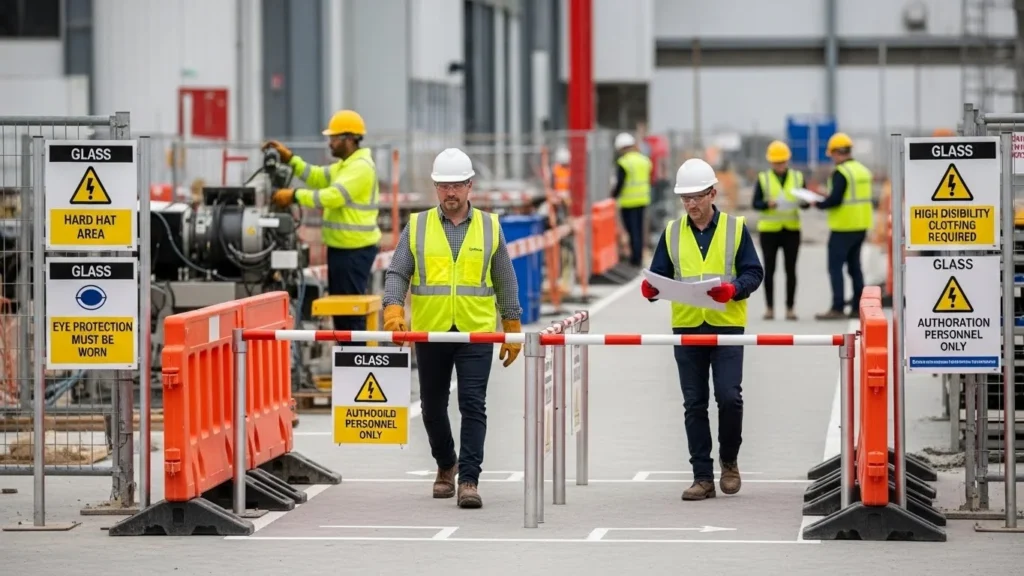
I. Personal Protective Equipment (PPE)
PPE is mandatory on most Spanish worksites and typically includes:
- Safety helmets
- High-visibility clothing
- Protective footwear
- Gloves and eye protection
II. Site Signage and Access Control
Clear signage and controlled access help prevent accidents by:
- Warning of potential hazards
- Restricting unauthorized entry
- Guiding emergency procedures
5. Risk Assessment and Safety Planning
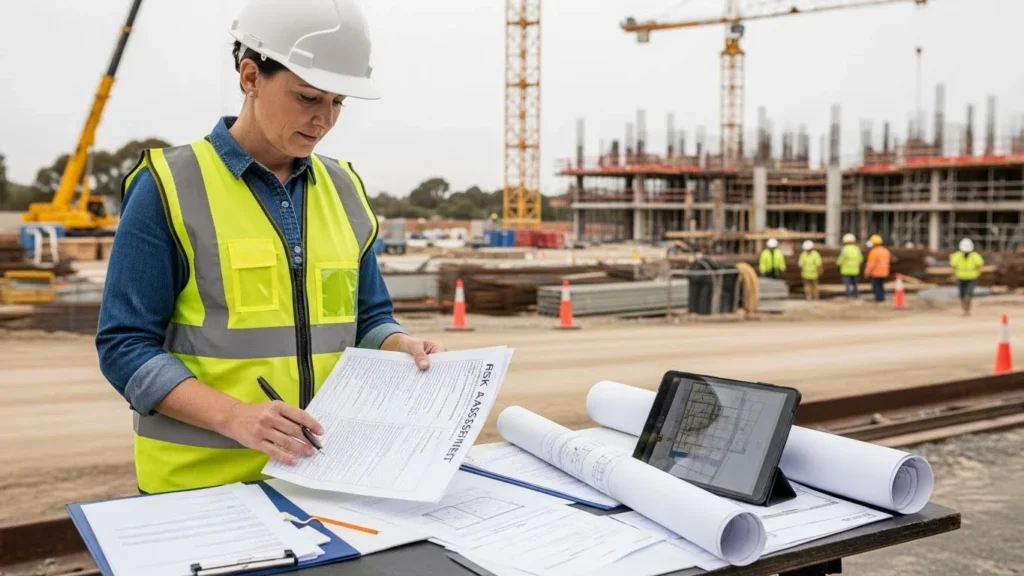
Risk assessment is a core of workplace safety in Spain. It involves:
- Identifying potential hazards
- Evaluating risk levels
- Implementing preventive measures
- Updating safety plans as conditions change
A well-documented safety plan is essential for compliance and worker protection.
6. Training and Safety Inductions
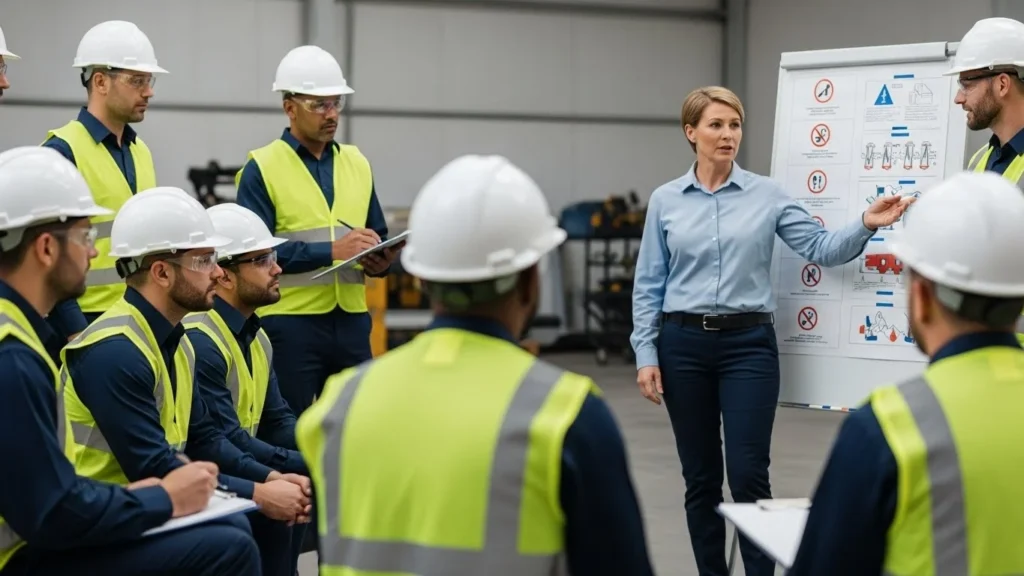
Proper training ensures workers understand site-specific risks. Safety inductions should cover:
- Emergency protocols
- Equipment usage
- Hazard awareness
- Legal safety obligations
Ongoing training helps maintain high safety standards throughout the project lifecycle.
7. Common Workplace Hazards in Spain
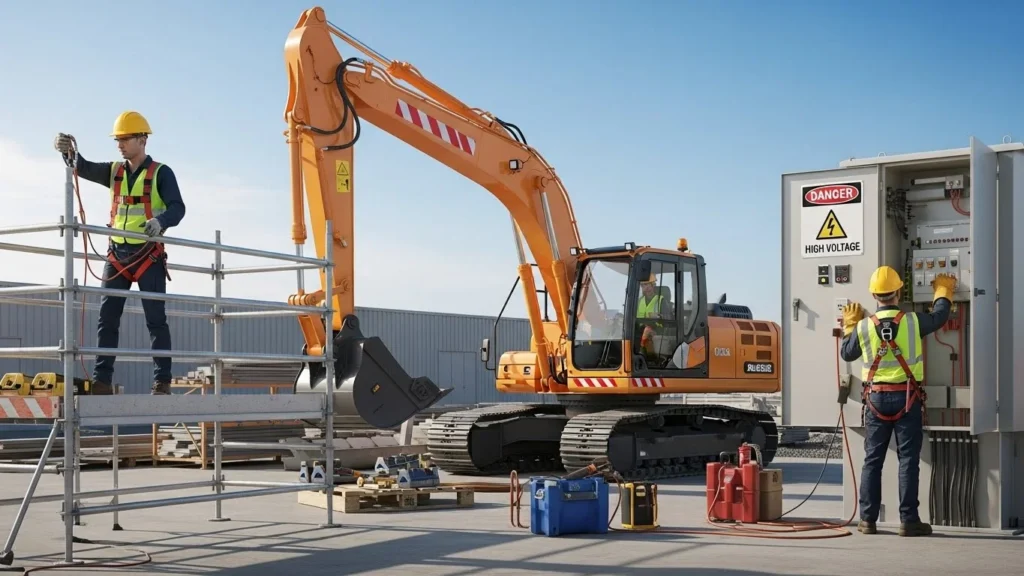
Some of the most common site hazards include:
- Falls from height
- Electrical risks
- Heavy machinery accidents
- Poorly managed materials
Addressing these risks early significantly reduces workplace incidents.
8. How LeedTech Supports Site Safety Compliance?

At LeedTech, we help businesses meet Spanish site safety requirements through:
- Safety planning and documentation
- Risk assessment support
- Compliance guidance
- Practical safety solutions
Our expertise ensures your site remains safe, efficient, and legally compliant.
9. Benefits of Strong Safety Practices
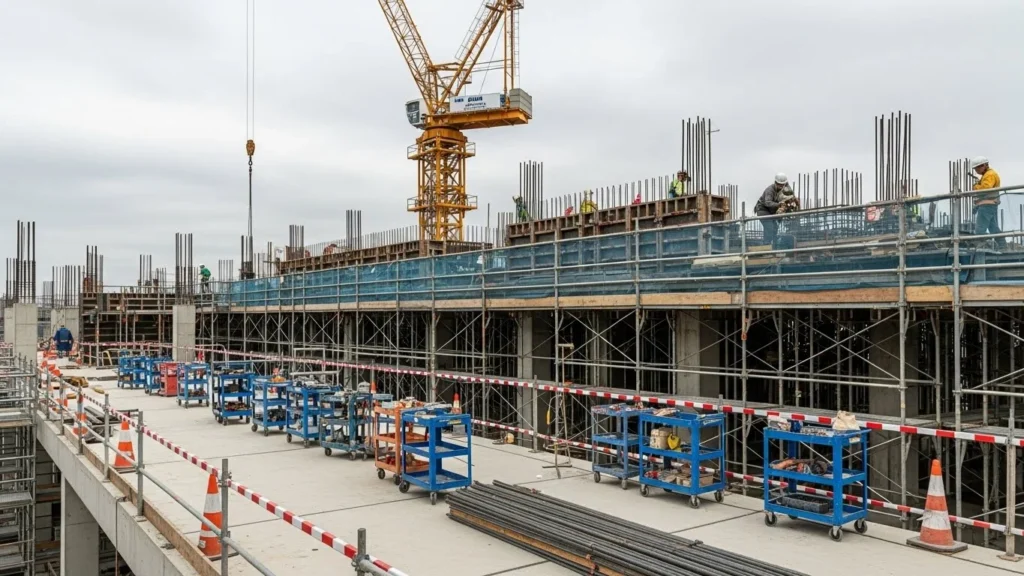
Implementing robust safety measures leads to:
- Fewer workplace accidents
- Improved worker morale
- Reduced downtime and costs
- Legal compliance
- Enhanced company reputation
Safety is an investment that delivers long-term value.
Conclusion
Staying safe at work is essential for protecting people, projects, and businesses. By following Spanish site safety essentials, companies can create secure work environments while meeting legal requirements and improving performance.
Need expert guidance on site safety compliance in Spain?
Contact LeedTech today and let our professionals help you build a safer, compliant workplace.
Frequently Asked Questions
What is the main workplace safety law in Spain?
Spain follows the Law on the Prevention of Occupational Risks (LPRL), which sets safety standards for all workplaces.
Is PPE mandatory on construction sites in Spain?
Yes, PPE is legally required depending on the type of work and associated risks.
Who is responsible for site safety in Spain?
Employers are primarily responsible, but workers must also follow safety rules and training.
Are risk assessments mandatory in Spain?
Yes, risk assessments are required before work begins and must be updated regularly.
How can LeedTech help with site safety?
LeedTech provides professional support for safety planning, risk assessments, and compliance with Spanish regulations.