
Have you ever felt unsure about how to prepare for a construction job interview in Spain, especially when you’re applying from another country? You’re not alone. Many skilled workers struggle with understanding what Spanish employers expect, which documents are required, and how to present their experience confidently. Spanish companies look for workers who are skilled, compliant, safety-trained, and ready to perform from day one and without the right preparation, good candidates often miss opportunities.
This guide will help you overcome those challenges, prepare with confidence, and walk into your interview fully ready to impress.
Why Are Construction Interviews in Spain Different?
The construction sector in Spain is expanding rapidly in cities like Madrid, Barcelona, Valencia, and Málaga. Employers actively hire international workers, but they look for verified, reliable, and well-trained candidates. Spain is strict about PRL (Prevención de Riesgos Laborales) training, TPC cards, and site safety compliance. Workers with proper documentation stand out immediately.
What Spanish Employers Look For?
- Practical experience
- Knowledge of safety rules
- Ability to work in teams
- Punctuality & professionalism
- Basic understanding of Spanish site instructions
Understand the Job Requirements Clearly
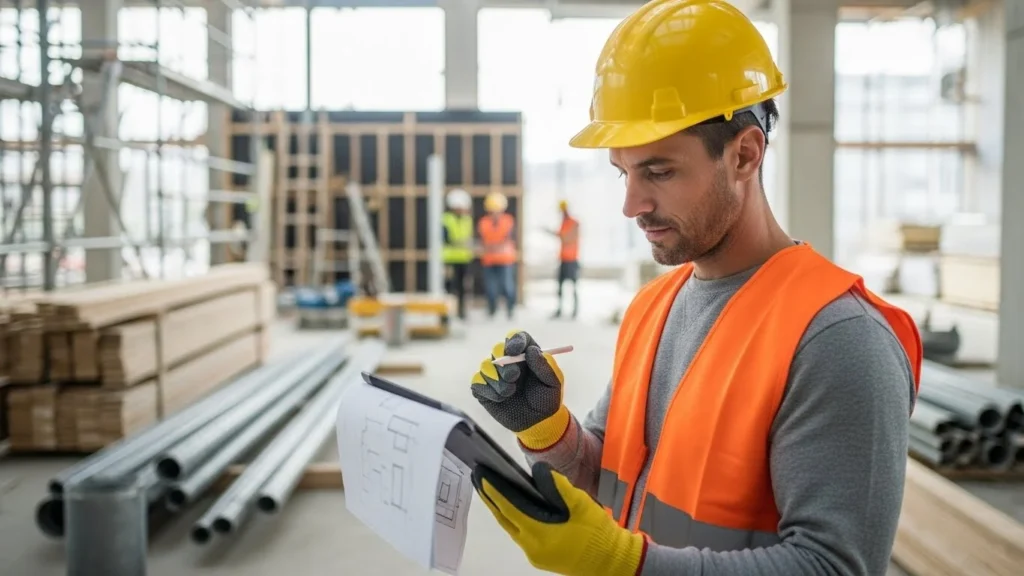
(i) Read the Job Description Carefully: Construction roles vary widely: Pladur Installer, Mason, Electrician, Welder, Carpenter, Tile Setter, etc. Know exactly what the company expects.
(ii) Learn Common Spanish Construction Terms: Words like SATE, Pladur, Albañilería, Encofrado, and Reformas often appear in job ads. Understanding these gives you an advantage.
(iii) Know Regional Hiring Needs
For example:
- Madrid: Pladur, drywall, and renovation work
- Barcelona: façade systems & insulation
- Valencia: tiling, painting, carpentry
- Málaga: coastal building maintenance
Prepare the Required Documents
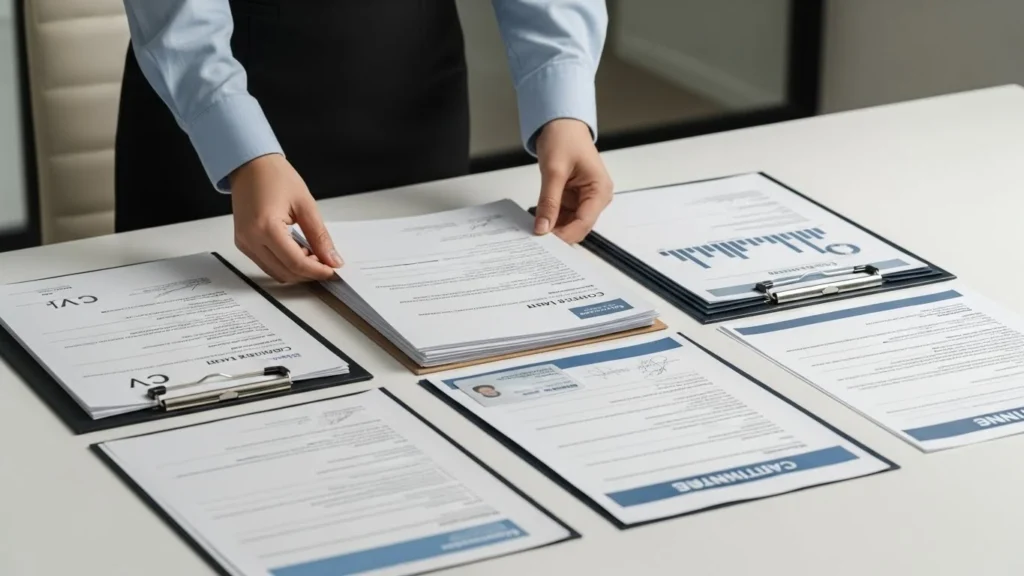
(i) Updated CV (Preferably in Spanish): Highlight your skills, certifications, and experience clearly.
(ii) Training Certificates: Employers usually ask for:
- PRL 20h training
- TPC card
- Machinery handling certificates (if applicable)
- Specialist training (scaffolding, welding, electrical safety)
(iii) Passport & Work Permit/Visa: For international workers, visa readiness is a major advantage.
(iv) Proof of Previous Work: Photos, videos, reference letters, or job logs show your skill level immediately.
Highlight Skills Spanish Employers Value Most
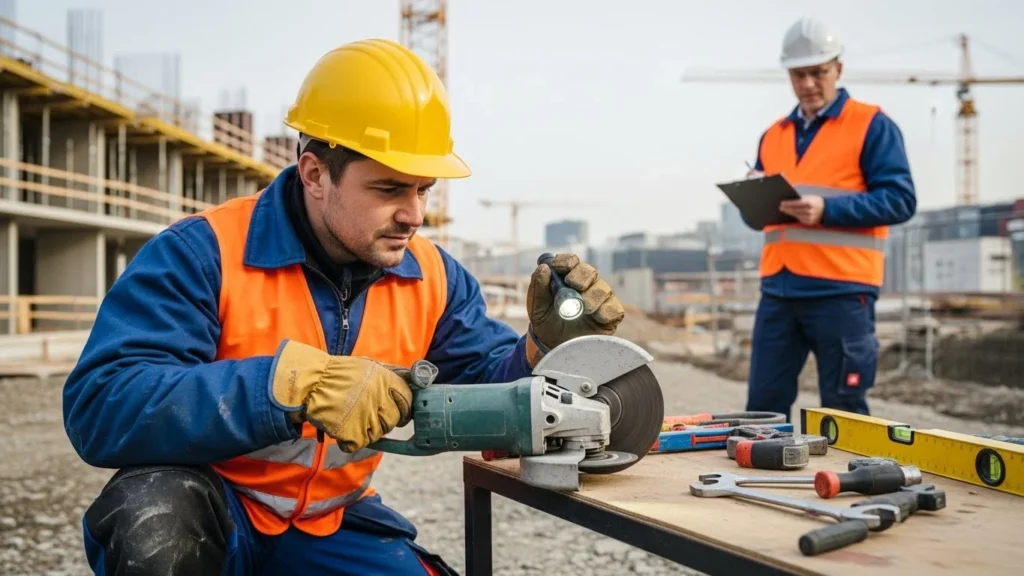
(i) Technical Skills: Be clear and confident about your expertise in:
- Masonry / Albañilería
- Pladur & drywall
- Welding (MIG/TIG/Stick)
- Tiling / Flooring
- Carpentry
(ii) Safety Awareness: Spain is strict about on-site risks. Show that you understand:
- PPE rules
- Fall protection
- Tool handling
- Emergency procedures
(iii) Teamwork & Professionalism: Spanish companies look for workers who are: Reliable, cooperative, respectful, and willing to learn.
(iv) Understanding Worksite Culture: Sites in Spain value clear communication, punctuality, and respect for hierarchy.
Prepare for Common Construction Interview Questions
(i) Experience-Based Questions
- “Tell us about your last project.”
- “What tools do you use for X tasks?”
(ii) Safety-Related Questions
- “What PPE do you use for elevated work?”
(iii) Behavioural Questions
- “How do you handle conflicts or pressure?”
(iv) Technical Questions
- “How do you level a surface before tiling?”
- “Explain how you install Pladur.”
Demonstrate Practical Knowledge

- Be Ready to Explain How You Work: Employers may ask you to describe your process step-by-step.
- Show Knowledge of Modern Techniques: Using laser levels, insulation systems, waterproofing, etc., gives you an edge.
- Bring Photos/Videos of Your Past Work: This builds trust quickly and shows your real skill level.
Learn Basic Spanish Terms for the Interview
(i) Greetings
- Buenos días – Good morning
- Mucho gusto – Nice to meet you
(ii) Useful Worksite Terms
- Herramientas – Tools
- Medidas de seguridad – Safety measures
- Pladur / Tabique – Drywall
(iii) Simple Interview Answers
Practice basic sentences like: Tengo experiencia de 5 años instalando Pladur y trabajando en reformas.
Dress, Manners & Attitude

- Dress Code: Clean, casual, and professional clothing is enough.
- Communication Style: Be polite, confident, and straightforward.
- Show Eagerness: Spanish employers value workers who show willingness to learn, grow, and adapt.
Follow-Up After the Interview

(i) Send a Short Thank-You Message
In Spanish if possible: “Gracias por la entrevista, quedó disponible para cualquier información adicional.”
(ii) Provide Missing Documents Quickly: Speed shows professionalism.
(iii) Stay Available: Employers often hire fast, delayed replies may cause missed opportunities.
How LeedTech Helps You Succeed in Job Interviews?
- Skill Assessment & Screening: We evaluate your strengths and match you with the right role.
- Interview Coaching for Spain: We train workers on how to answer questions and present themselves confidently.
- Document Preparation Support: PRL training, CV formatting, and visa guidance.
- Connection With Verified Employers: Our clients trust us because we deliver skilled, vetted, compliant talent across Spain.
Conclusion
Preparing for a construction job interview in Spain becomes much easier when you understand what employers expect, organise your documents, and communicate your skills clearly. With the right preparation, you can stand out, impress your interviewer, and secure a strong job opportunity.
Ready to work in Spain? Let LeedTech guide you from preparation to placement.
Contact us today to start your hiring journey with verified employers:
Frequently Asked Questions
Do I need Spanish language skills for a construction job interview?
Basic Spanish helps a lot, but many employers focus more on skills and safety knowledge.
What documents are required for construction jobs in Spain?
CV, PRL/TPC certificates, ID/passport, visa/work permit, and proof of previous work.
Do Spanish employers test practical skills?
Sometimes, yes. They may ask you to describe your work process or show examples.
How important is PRL training in Spain?
Very important, many companies won’t hire without it.
How can LeedTech help me get a job in Spain?
We assist with training, preparation, employer matching, and interview coaching.