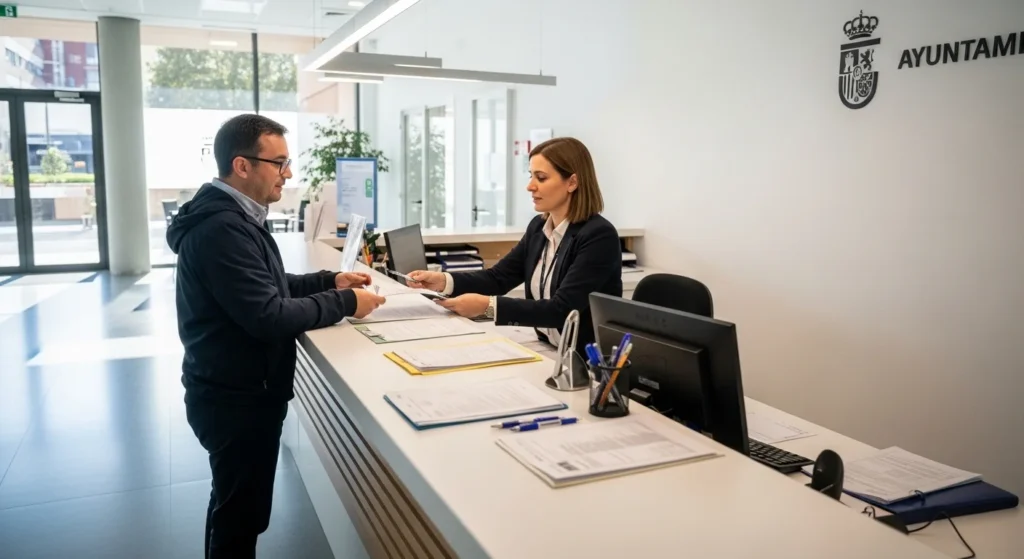

Are you looking for a job in Spain but struggling to get responses? Many workers make avoidable mistakes that reduce their chances of landing interviews. Understanding these pitfalls can help you stand out and increase your chances of success. In this article, LEEDTECH explains the most common errors workers make and how to avoid them, so you can apply confidently and efficiently.
Here are the common mistakes to avoid when applying for Jobs in Spain
Submitting Generic Resumes

Are You Sending the Same CV to Every Job? Many applicants make the mistake of submitting a generic resume, which reduces their chances of getting noticed. To stand out:
- Customize Your CV: Highlight skills and experience relevant to the specific job.
- Use Clear Formatting: Make your resume easy to read with bullet points.
- Show Achievements: Include measurable results to prove your value.
- Match the Job Requirements: Align your qualifications with what the employer is looking for.
By tailoring your CV for each application, you increase your chances of landing an interview and impressing employers in Spain.
Ignoring Local Language Requirements

Are You Ignoring Spanish Language Requirements? Applying in English for a role that requires Spanish can hurt your chances. To improve your application:
- Learn Key Terms: Familiarize yourself with industry-specific Spanish vocabulary.
- Submit Your CV in Spanish: Whenever possible, provide a Spanish version of your resume.
- Show Language Proficiency: Mention your level of Spanish clearly on your CV.
- Demonstrate Commitment: Employers value candidates who make an effort to adapt to the local language.
Showing your Spanish skills boosts your credibility and makes you a stronger candidate in Spain’s competitive job market.
Weak Cover Letters

Skipping a cover letter or using a generic one can reduce your chances of getting noticed. To make a strong impression:
- Personalize It: Address the employer and mention the specific role.
- Highlight Relevant Skills: Show how your experience matches the job requirements.
- Use Examples: Include measurable achievements or successes from previous roles.
- Keep It Concise: Be clear and to the point while showcasing your value.
A tailored cover letter demonstrates professionalism and helps your application stand out in Spain’s competitive job market.
Lack of Research About the Company

Do You Really Know the Company You’re Applying To? Submitting applications without understanding the employer can hurt your chances. To stand out:
- Research the Company: Explore their website, social media, and news.
- Understand Their Values: Align your application with the company culture and mission.
- Tailor Your Application: Show how your skills and experience contribute to their goals.
- Mention Specifics: Refer to projects, products, or achievements of the company that resonate with you.
Doing your homework demonstrates genuine interest and makes your application more compelling to Spanish employers.
Poor Online Presence
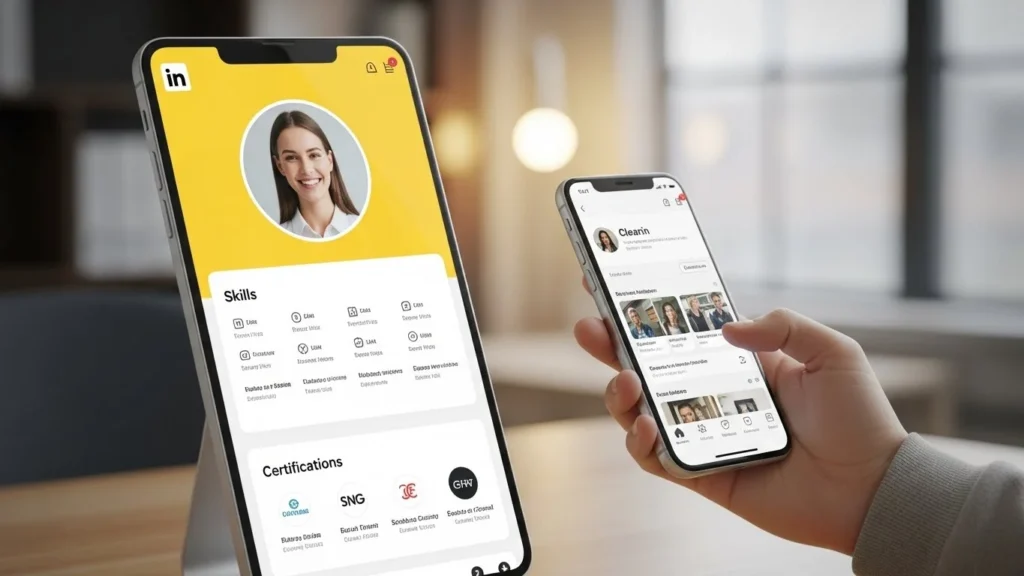
Is Your Online Presence Helping or Hurting Your Job Chances? A weak or unprofessional online presence can reduce your opportunities. Improve your profile by:
- Update LinkedIn: Ensure your experience, skills, and profile picture are current.
- Showcase Achievements: Highlight certifications, projects, and relevant accomplishments.
- Clean Up Social Media: Remove posts or content that may appear unprofessional.
- Engage Professionally: Follow companies, join industry groups, and share relevant content.
A strong online presence reinforces your application and builds trust with Spanish employers.
Failing to Prepare for Interviews

Failing to prepare can cost you the job. Boost your chances by:
- Practice Common Questions: Prepare answers for both Spanish and English interviews.
- Know Your Resume: Be ready to discuss your skills, experience, and achievements.
- Research the Company: Understand their values, products, and culture.
- Prepare Questions: Ask thoughtful questions to show engagement and interest.
Proper preparation demonstrates professionalism and makes a strong impression on Spanish employers.
Applying Without Understanding Work Permits
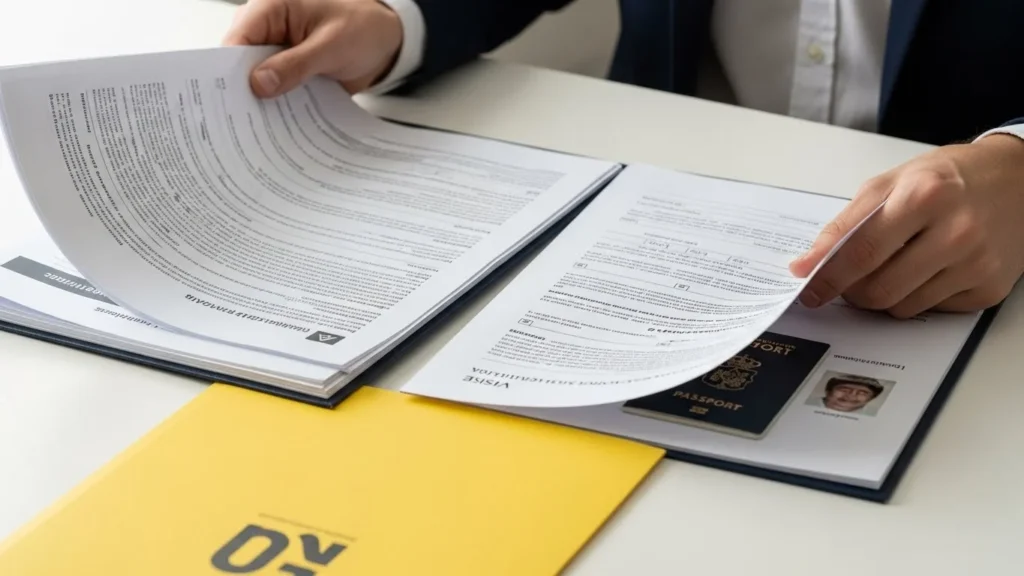
Many job seekers make the mistake of sending applications without checking visa or work permit requirements. This can lead to delays or automatic disqualification.
How to fix it?
- Verify your eligibility to work in Spain before applying.
- Ensure you have the correct visa or permit documentation.
- Highlight your legal work status in your application if applicable.
By being proactive, you show employers that you’re ready to start immediately, giving you a competitive advantage in the Spanish job market.
Neglecting Professional References

Failing to provide credible references can weaken your application and reduce employer confidence.
How to fix it?
- Include 2–3 professional references from previous employers or supervisors.
- Ensure references can speak to your skills, reliability, and work ethic.
- Inform your references in advance so they are prepared if contacted.
Providing strong references boosts your credibility and increases your chances of landing a job in Spain.
Overlooking Soft Skills
Focusing solely on technical abilities can limit your chances. Spanish employers value well-rounded candidates who fit the company culture.
How to fix it?
- Highlight communication, teamwork, adaptability, and problem-solving skills.
- Use examples from previous jobs to demonstrate these skills.
- Show your ability to collaborate and contribute positively to the work environment.
Emphasizing soft skills alongside technical expertise makes your application more appealing and competitive in Spain’s job market.
Submitting Incomplete Applications
Missing documents or forms can ruin your chances before the interview. Spanish employers often reject incomplete applications outright.
How to fix it?
- Carefully read the job posting to know what’s required.
- Include all necessary materials: CV, cover letter, certifications, and portfolio if requested.
- Double-check before submitting to ensure nothing is missing.
Completing every application thoroughly shows professionalism and improves your chances of landing the job.
These are the 10 common mistakes you must avoid to boost your chances of landing a job in Spain. Follow these tips, prepare strategically, and present yourself confidently to stand out to employers.
Conclusion
Applying for jobs in Spain doesn’t have to be overwhelming. By avoiding these common mistakes, workers can improve their chances of getting interviews and landing their ideal role. LEEDTECH guides you through the application process, helping you create strong CVs, prepare for interviews, and navigate the Spanish job market effectively.
Ready to take the next step in your career? Apply Now with LEEDTECH.
Frequently Asked Questions
Do I need to speak Spanish to work in Spain?
It depends on the role. Some jobs require fluent Spanish, while others may accept English. Showing willingness to learn Spanish increases your chances.
How long does it take to hear back from employers in Spain?
Response times vary, typically 1–3 weeks. Following up politely can help demonstrate your interest.
Can I apply for multiple jobs at the same company?
Yes, but tailor your applications to each position. Highlight relevant skills for each role rather than sending identical applications.
Should I include references in my application?
References are optional initially, but be ready to provide them if requested. Choose professional contacts who can vouch for your skills and reliability.
How does LEEDTECH help workers find jobs in Spain?
LEEDTECH provides access to verified employers, guides you on creating strong applications, and ensures compliance with Spanish labor regulations for a smooth job placement process.