

Spain’s 2026 Regularization Process, often called an amnesty, is one of the most significant immigration changes in recent years. It offers undocumented workers a rare chance to transition from informal labor to legal employment, access social rights, and build a secure future in Spain. This process recognizes the reality that many people live and work in Spain without legal status. By providing a pathway to legalization, the Spanish government aims to strengthen the economy, reduce exploitation, improve worker protections, and integrate families into society.
What is the 2026 Spain Regularization Process?

The 2026 Spain Regularization Process is a government program designed to allow undocumented residents to obtain legal status through work. It’s officially approved by the Spanish Parliament and the Council of Ministers, backed by new laws and regulations.
Instead of deportations or unstable informal jobs, eligible applicants can obtain temporary residence and work permits. This opens doors to legal employment, rights, and benefits previously unavailable.
Why Was It Created?
Spain has faced labor shortages in certain sectors, a large informal workforce, and social challenges linked to irregular immigration. The 2026 Regularization Process aims to:
- Reduce informal work and exploitation
- Increase tax contributions and social security enrollments
- Strengthen labor rights and protections
- Support family stability and social integration
This historic program is often referred to in media and communities as a regularization, amnesty, or legalization initiative but in official terms it’s a work‑linked regularization pathway.
Who Is Eligible? Basic Criteria
To benefit from this regularization, applicants must meet specific eligibility requirements. These eligibility requirements are based on current expectations and are subject to confirmation once the Spanish government publishes the official regulations.
Main Eligibility Requirements
Undocumented residence: Must have lived in Spain without legal immigration status before a specific cut‑off date set in the law.
Employment Links: Proof of a job offer or employment contract either:
Cuenta ajena (employed by another)
Cuenta propia (self‑employment)

- Clean Criminal Record: No serious criminal convictions in Spain or abroad.
- Proof of Presence: Documents that show continuous residence, like rental contracts, school enrolments, utility bills, or medical records.
- No Dependence on Public Funds: Applicants should not have received significant public benefits that could contradict their employment intent.
Important: Each case is reviewed individually, and authorities may ask for additional proof depending on the applicant’s situation.
How the Process Helps Workers

The 2026 Regularization Process helps undocumented workers in real, life‑changing ways:
Legal Access to Jobs
Once approved, applicants can work legally under:
Cuenta Ajena: Standard employment, working for a company with a contract.
Cuenta Propia: Self‑employment, freelancing, or opening a small business.
This means workers no longer depend on informal jobs that lack rights, contracts, or protections.
Enrolment in Social Security
Regularized workers are registered with the Spanish Social Security System (Seguridad Social), which gives them:
- Health care coverage
- Maternity/paternity benefits
- Unemployment support
- Pension contributions
- Workplace protections
This is a major change from informal work, where people have no access to these benefits.
Protection During the Application
While the regularization application is being processed:
- Applicants are generally protected from deportation
- They can prepare documents without fear of removal
- Families often remain intact during the review period
This brings peace of mind to families who have lived in uncertainty.
Rights as a Legal Resident
Regularized persons earn rights like:
- Opening a bank account more easily
- Renting property legally
- Signing official contracts
- Traveling within the EU Schengen Area (with proper travel permissions)
- Enrolling children in school without barriers
- Applying for future permanent residency after meeting requirements
Economic and Social Advantages
The benefits extend beyond individual applicants, they impact families, communities, employers, and the broader economy.
Earn Legally and Pay Taxes
Legalization allows workers to:
- Earn official salaries
- File taxes regularly
- Build pension rights
- Obtain credit or loans with proof of income
This helps people plan for the future, rather than living day‑to‑day in informal work.

Increased Economic Contribution
Legal workers contribute to:
- Spain’s GDP growth
- Social Security funds
- Better labor market data
- Reduced underground economy
Employers also benefit from a transparent workforce with legal protections.
Safety and Dignity for Families
When parents are legal workers:
- Children have stable schooling
- Families can access healthcare and social programs
- Long‑term planning (like home ownership) becomes possible
Social integration improves, reducing isolation and uncertainty.
Challenges and Considerations

Although the regularization offers enormous potential, the process can be complicated.
Document Requirements
Applicants must gather proof of:
- Residence before the cut‑off date
- Work contracts or job offers
- Identification (passport, consular documents, etc.)
- Clean criminal record
- Evidence of continuous residence (utility bills, certificates, school letters, etc.)
Collecting these documents can be difficult, especially for people who have lived informally for years.
Administrative Hurdles
Common challenges include:
- Long waiting times for interviews or document reviews
- Requests for additional information
- Language barriers in understanding legal terms
- Locating missing records
Applicants often work with legal advisors or NGOs to prepare strong cases.
Deadlines and Processing Time
The regularization program has strict application deadlines. Missing key dates may result in:
- Rejected applications
- Need to reapply in future processes
- Continued irregular status
Processing times vary, and applicants should prepare for weeks or months of review.
Step‑by‑Step: How to Apply
Here’s a simple breakdown of how most applicants can apply:
Check Eligibility Carefully
Understand residence requirements
Ensure job offer or contract qualifies
Prepare Documents
Gather identity proofs
Compile residence evidence
Request background checks
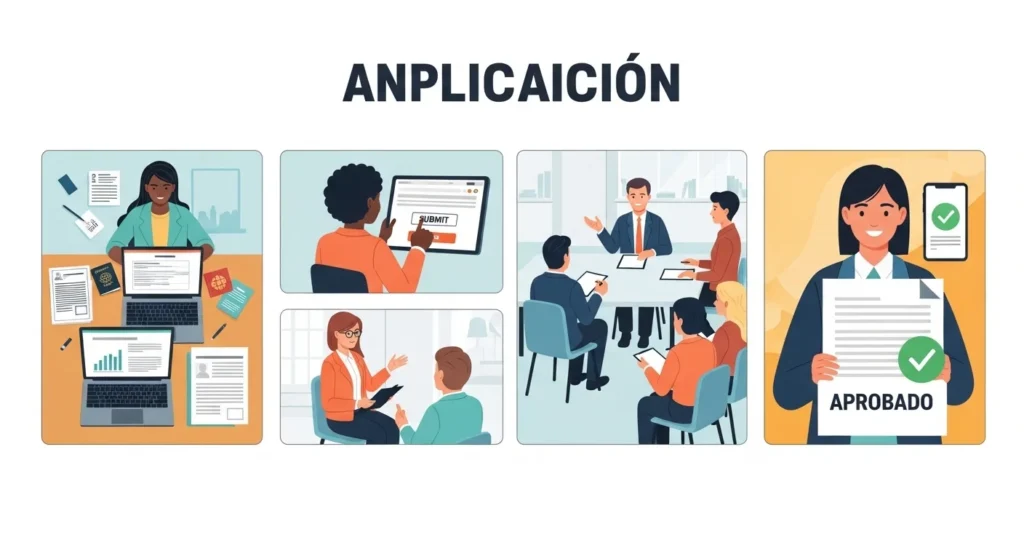
- Submit Application
- Use the official immigration portal
- Fill out forms accurately
- Attach all required files
- Attend Any Interviews
- Respond to government requests
- Provide explanations when needed
- Wait for Decision
- Track status online
- Follow up if delays occur
- Receive Authorization
- Sign contract if offered
- Register with Social Security
- Receive residence and work permit cards
Conclusion
The 2026 Spain Regularization Process is a powerful opportunity for undocumented workers to transition into the legal job market and build a secure future in Spain. It opens doors to legal employment, access to social security benefits, family stability, and economic contribution. If you think you qualify, start the process early, prepare your documents carefully, and seek guidance from immigration professionals or community organizations. For expert support and personalized assistance throughout your application, visit LeedTech Services and take the first step toward stability, dignity, and opportunity in Spain today.
FAQs
What is the 2026 Spain Regularization Process?
The 2026 Regularization Process is a government initiative allowing undocumented residents to apply for legal work status and temporary residence based on employment.
Who can apply?
People who have lived in Spain without legal status before a set cut‑off date, and who have proof of employment or a job offer, clean records, and required documents.
Do I need a job offer to apply?
Yes. Applicants must show an employment contract (cuenta ajena) or intention to work as self‑employed (cuenta propia).
Can I work legally after applying?
Once the application is approved and you register with Social Security, you can work legally and contribute taxes.
What benefits do I get as a regularized worker?
You gain access to healthcare, pensions, unemployment insurance, legal protections, and other social rights.
What happens during the application review?
You are generally protected from deportation, and officials may request further information or documents.
Can family members also benefit?
Yes, spouses, children, and dependents often gain rights to residency, healthcare, and schooling when the primary applicant is regularized.
How long does the process take?
Processing times vary. It can take weeks to several months depending on documentation and workload of immigration offices.